

EO Residual Control Overview
EO residual control is a critical process in ethylene oxide sterilization for medical devices. Riches designs integrated aeration systems to reduce patient exposure risks and support compliance with ISO10993 and medical sterilization standards.
1. What Is EO Residual
EO residual refers to ethylene oxide gas and reaction byproducts remaining inside products after sterilization.
| Residual Type | Description |
|---|---|
| Ethylene Oxide (EO) | Primary sterilization gas |
| Ethylene Chlorohydrin (ECH) | Reaction byproduct |
| Ethylene Glycol (EG) | Hydrolysis byproduct |

2. Factors Affecting EO Residual Levels
Product Material
- High absorption: PVC, PU, Foam
- Fast release: Metal, Glass
Product Geometry
- Long lumen catheters
- Dense loading configurations
Process Parameters
- EO gas concentration
- Aeration temperature/time
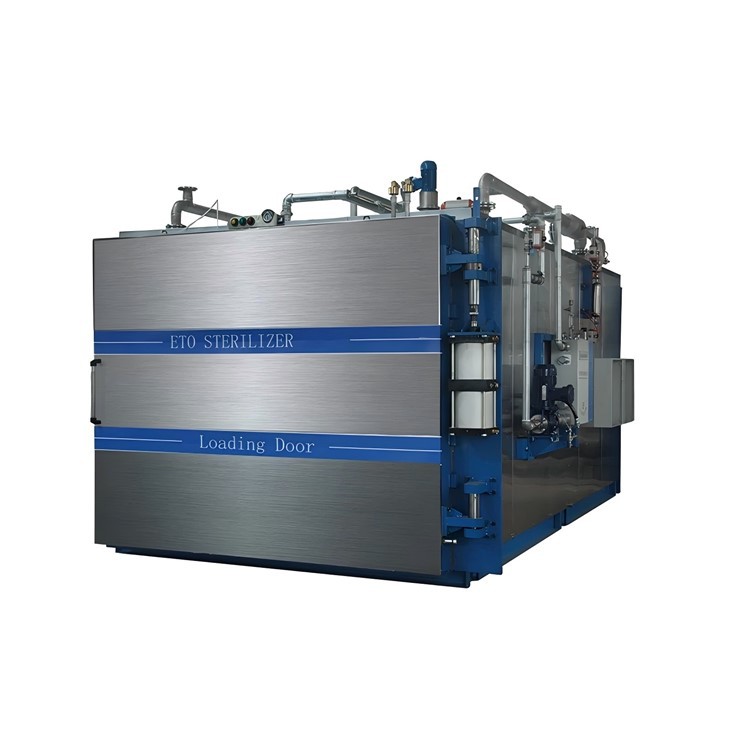
3 & 4. EO Aeration Process & Parameters
Riches supports both Chamber Aeration and Independent Aeration Rooms for large-scale production.
5. EO Exhaust Treatment System
Riches Engineering Capability
We provide customized residual control solutions including room design, airflow optimization, and PLC automation control to meet ISO10993 requirements.
Frequently Asked Questions
Q: How long does EO aeration usually take?
A: Typically 8 to 72 hours depending on material and packaging structure.
Q: Why do polymer materials retain more EO gas?
A: Polymers like PVC absorb gas into molecular spaces, requiring more degassing time.