

Ethylene oxide: risk-free sterilization for medical devices
Ethylene Oxide (EtO) sterilization is one of the most widely used low-temperature sterilization methods in the global medical industry. Today, approximately 50% of all sterile medical devices worldwide rely on EtO sterilization, making it a critical technology for ensuring patient safety and infection prevention during surgical and clinical procedures.
Unlike traditional sterilization methods such as steam or radiation, EtO gas provides deep penetration while maintaining material integrity. This makes it especially suitable for complex surgical instruments and sensitive medical products that cannot withstand heat, moisture, or high-energy exposure.For hospitals, device manufacturers, and sterilization service providers, EtO sterilization cabinets play a vital role in delivering consistent sterility assurance levels required by international medical standards.

Medical tweezers
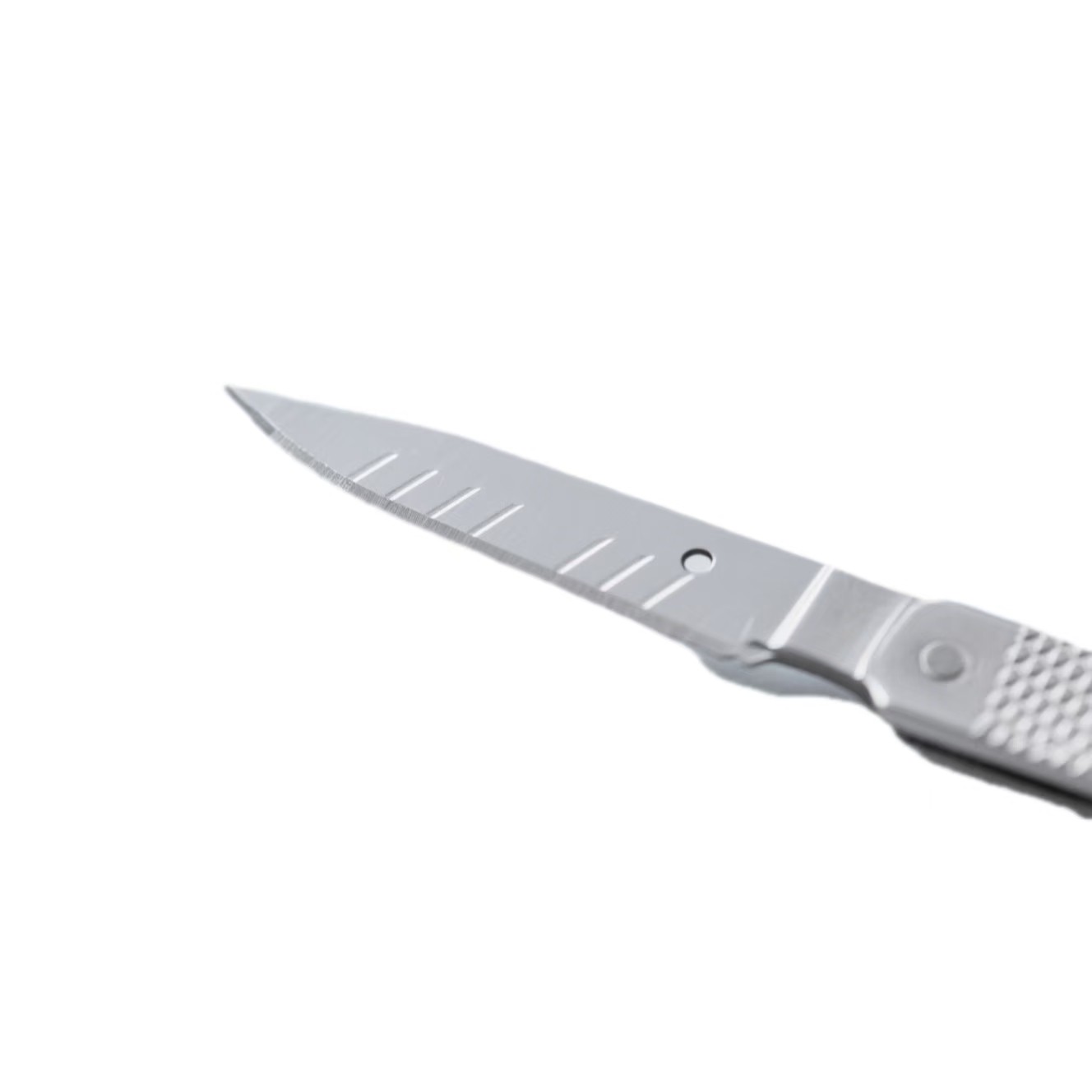
Medical surgical blades

Medical scalpel

Birth Control Equipment

ntubation Catheter
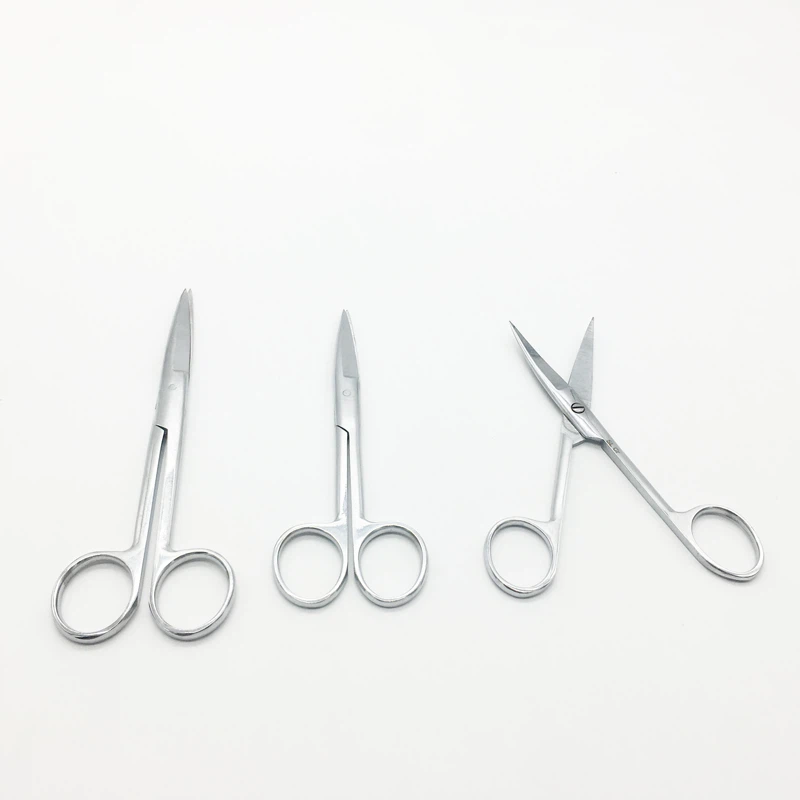
Medical scissorsI
Applicable Medical Equipment Overview Table
| Category | Medical Equipment / Tools | Typical Materials | Why EtO Sterilization Is Required | Application Scenario |
|---|---|---|---|---|
| Surgical Instruments | Surgical kits, surgical staplers, surgical scissors, forceps, specula | Stainless steel + plastic components | Heat-sensitive composite structures cannot withstand steam sterilization | Operating rooms, surgical centers |
| Minimally Invasive Surgical Devices | Endoscopic accessories, surgical telescopes, laparoscopic tools | Polymers, optical components | Complex structures and internal channels require deep gas penetration | Minimally invasive surgery |
| Catheters & Tubing Systems | Urinary catheters, cardiovascular catheters, IV tubing sets | PVC, silicone, polyurethane | Narrow lumens cannot be fully sterilized by steam or plasma | Hospitals, dialysis centers |
| Implantable Medical Devices | Heart valves, stents, pacemaker components | Polymer + electronic parts | Radiation or heat may damage functionality | Cardiovascular surgery |
| Respiratory & Anesthesia Products | Oxygen masks, breathing circuits, anesthesia tubing | Flexible plastics, elastomers | Moisture-sensitive materials require low-temperature sterilization | ICU, anesthesia departments |
| Disposable Medical Consumables | Syringes, wound dressings, surgical drapes, gowns | Nonwoven fabric, plastics | Sterilization required after final packaging | Single-use sterile supply |
| Diagnostic Devices | Electrode catheters, diagnostic probes | Electronic + polymer assemblies | Sensitive electronics incompatible with high temperature | Diagnostic procedures |
| Drug Delivery Systems | Infusion sets, drug delivery cartridges | Medical-grade plastics | Requires sterilization inside sealed packaging | Pharmaceutical applications |
| Laboratory & Clinical Supplies | Sample collection kits, test kits | Plastic components | Batch sterilization after packaging | Clinical laboratories |
| Custom Procedure Packs | Pre-packed surgical procedure trays | Mixed materials | Must sterilize assembled kits without disassembly | OEM medical device manufacturers |
Key Characteristics of Equipment Suitable for EtO Sterilization
| Requirement | Explanation |
|---|---|
| Heat-sensitive | Cannot tolerate steam sterilization temperatures (121–134°C) |
| Moisture-sensitive | Performance affected by humidity or condensation |
| Complex geometry | Includes lumens, cavities, or multilayer assemblies |
| Mixed materials | Combination of metal, plastic, rubber, or electronics |
| Sterilization after packaging | Requires sterilization in final sealed packaging |
Industries Commonly Using EtO Sterilization Cabinets
| Industry | Typical Users |
|---|---|
| Medical device manufacturing | OEM/ODM device manufacturers |
| Hospitals & sterilization centers | Central sterile supply departments (CSSD) |
| Contract sterilization providers | Third-party sterilization services |
| Pharmaceutical packaging | Drug-device combination products |
| Biotechnology companies | Diagnostic and testing kits |
FAQ
Why should we choose ethylene oxide sterilization for surgical instruments?
Ethylene oxide (EtO) sterilization is ideal for surgical instruments made from heat-sensitive or multi-material components. Unlike steam sterilization, EtO operates at low temperatures and penetrates complex structures, ensuring complete sterilization without damaging plastics, polymers, electronics, or precision assemblies commonly used in modern surgical devices.
What types of medical devices are most suitable for EtO sterilization?
EtO sterilization is commonly used for:
Catheters and tubing systems
Surgical kits and procedure packs
Implantable medical devices
Respiratory and anesthesia products
Disposable medical consumables
Diagnostic and electronic medical components
Devices with narrow lumens or sealed packaging particularly benefit from EtO sterilization.
Can EtO sterilize products after final packaging?
Yes. One of the biggest advantages of EtO sterilization is its ability to penetrate sealed medical packaging materials such as Tyvek® and multilayer sterile barriers. This allows manufacturers to sterilize products in their final packaging, reducing contamination risks during logistics and storage.
Is EtO sterilization safe for sensitive materials?
Yes, when properly controlled. EtO sterilization is specifically designed for materials that cannot tolerate heat, moisture, or radiation. Modern sterilization cabinets include aeration phases that remove residual gas to meet international safety standards such as ISO 11135.
How does EtO compare with steam sterilization?
Factor EtO Sterilization Steam Sterilization
Temperature Low (37–63°C) High (121–134°C)
Material compatibility Excellent Limited
Packaging penetration Yes Limited
Suitable for electronics Yes No
Procurement teams typically select EtO when device integrity must be preserved.
What production volume is suitable for an EtO sterilization cabinet?
EtO sterilization systems can be customized for:
Small batch R&D validation
Medium-scale medical manufacturing
High-volume industrial sterilization lines
Chamber size, cycle configuration, and automation level can be tailored according to production capacity requirements.
What certifications should an EtO sterilization system comply with?
Buyers should ensure the equipment supports compliance with:
ISO 11135 (EtO sterilization validation)
GMP manufacturing requirements
FDA and EU MDR sterilization standards
Sterility Assurance Level (SAL 10⁻⁶)
Compliance-ready equipment reduces regulatory approval risks.
How long does an EtO sterilization cycle typically take?
A full EtO sterilization cycle generally includes:
Preconditioning
Gas exposure
Sterilization dwell time
Aeration (gas removal)
Depending on product complexity, total cycle time typically ranges from 8 to 24 hours. Advanced systems optimize aeration to shorten turnaround time.
Can EtO sterilization systems be customized for specific medical products?
Yes. Many medical manufacturers require customized sterilization solutions based on product material, packaging design, and validation parameters. Customization may include:
Chamber dimensions
Gas concentration control
Automated recipe management
Emission treatment integration
Customized solutions improve sterilization efficiency and regulatory compliance.
What should procurement teams consider when selecting an EtO sterilization equipment supplier?
Key evaluation factors include:
Engineering customization capability
Medical industry experience
Process validation support
Safety and emission control technology
After-sales technical service and training
Choosing a supplier capable of providing a complete sterilization solution helps reduce long-term operational risks.