

Ethylene oxide: enabling multifunctional applications in Textiles & Biological Products
Disposable gloves, commonly used as protective gear in the medical and food industries, can be sterilized with EO sterilization to effectively remove pathogens, ensuring hygienic safety during use and reducing the risk of cross-infection. Carpets and fur products are prone to harboring dirt and grime, and sterilization can reduce the growth of mites and bacteria, creating a cleaner living environment. Sterile bedsheets, which come into direct contact with human skin, particularly in medical settings, can be sterilized to prevent the spread of pathogens and ensure a safe recovery environment for patients. Leather and synthetic fiber garments can be contaminated with microorganisms during production and storage. Ethylene oxide sterilization can reduce skin problems caused by contact, while maintaining the fabric's texture and performance.
These textiles and biological products, sterilized in ethylene oxide sterilizers, meet hygienic standards while maintaining their physical properties, providing strong support for their safe use across various industries.
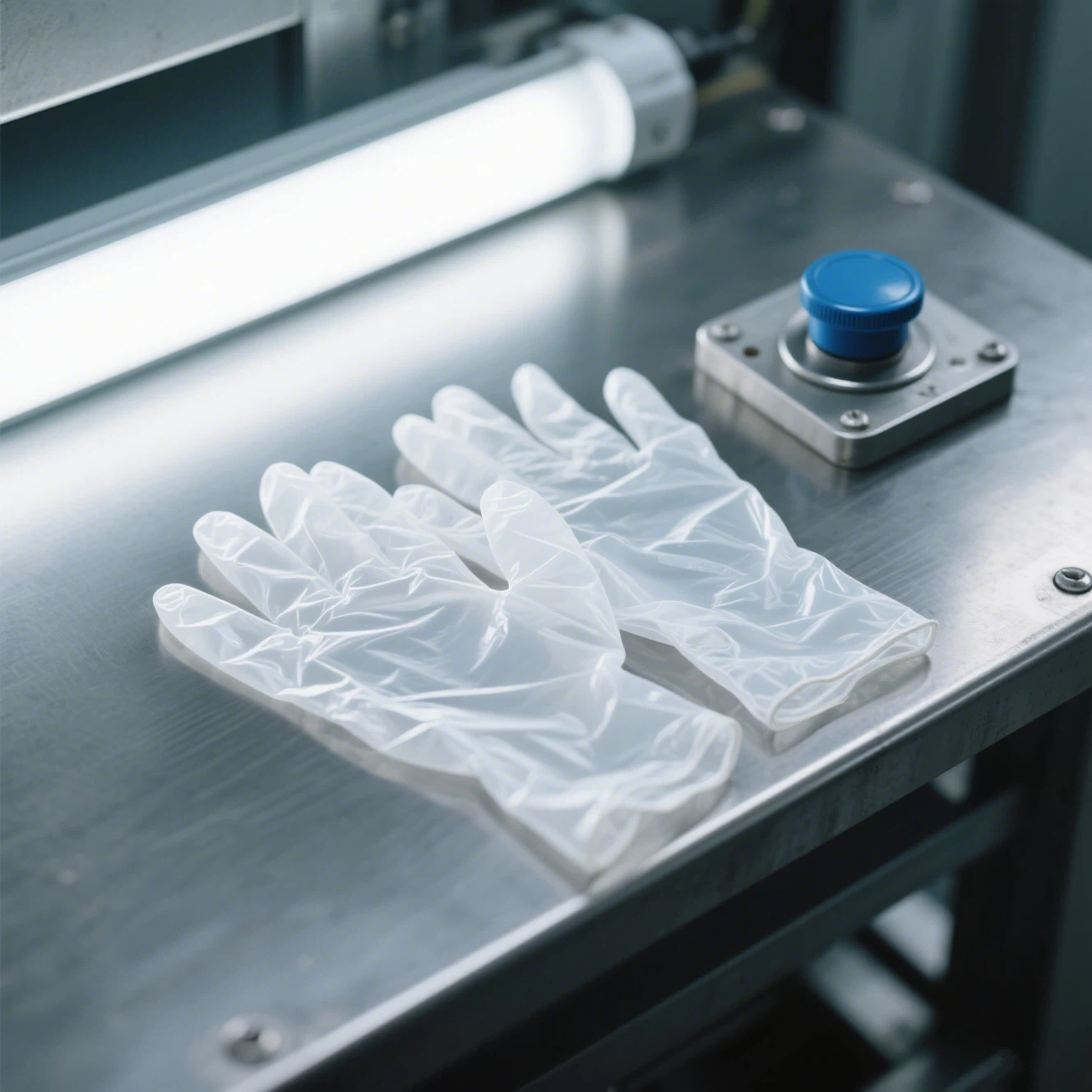
disposable gloves

carpet

Fur products

Sterile sheets
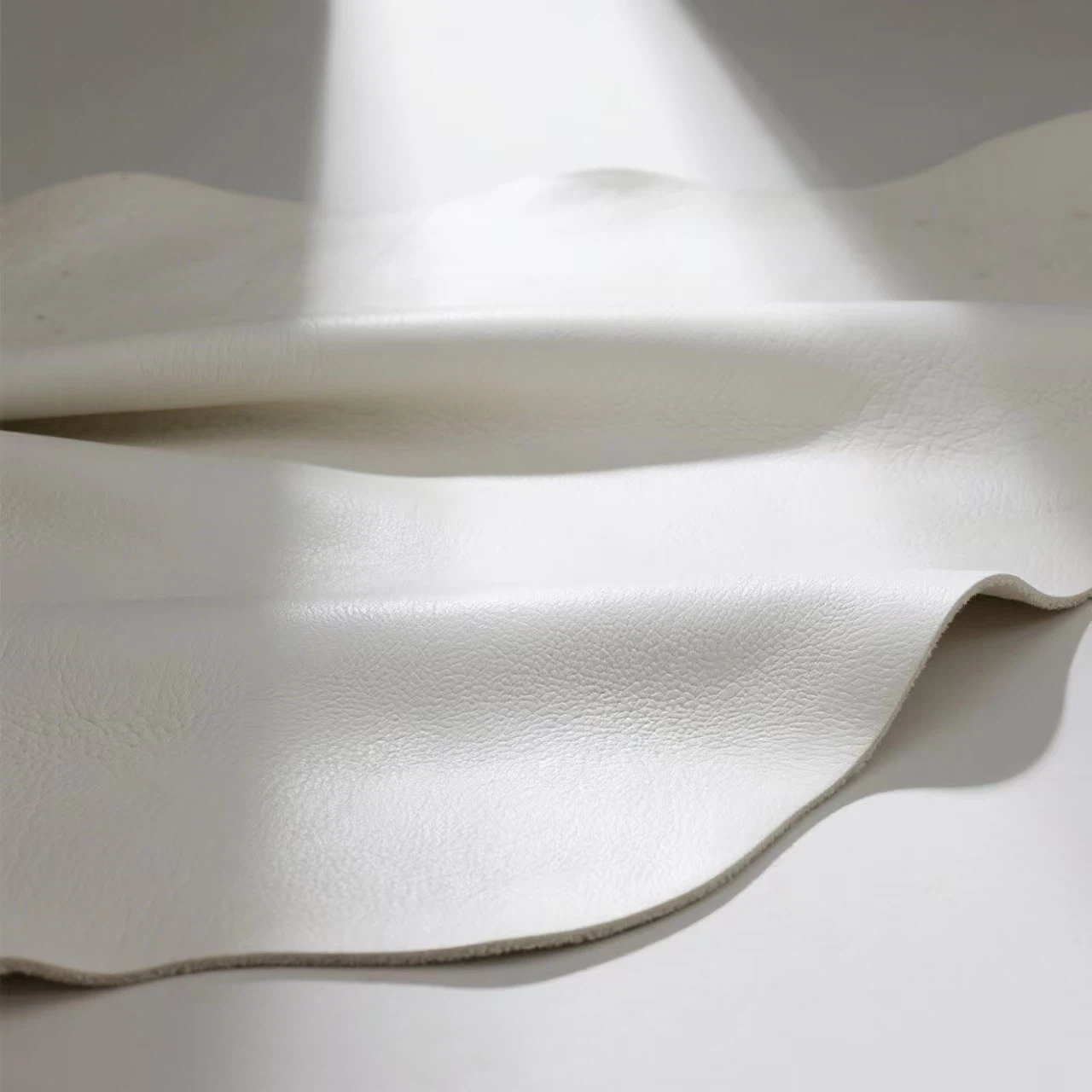
leather

Chemical fiber clothing
Why EO Sterilization for Textiles & Biological Products?
1. Low-Temperature Sterilization for Sensitive Materials
Textile-based and biological products often cannot withstand high temperatures.
EO sterilization operates at 37°C–55°C, making it ideal for:
Medical textiles (surgical gowns, drapes)
Nonwoven hygiene products
Biological culture materials
Laboratory consumables
This ensures no deformation, shrinkage, or degradation.
2. Deep Penetration Through Porous Structures
Textiles and many biological products have complex, porous structures.
EO gas can:
Penetrate multilayer fabrics
Reach internal packaging layers
Sterilize hard-to-access surfaces
This guarantees complete sterilization, even for bulk-packed or sealed products.
3. Compatibility with Packaging
EO sterilization can be applied after final packaging, which is critical for export and sterile supply chains.
Suitable packaging includes:
Medical-grade paper & film
Tyvek® materials
Permeable polymer films
This reduces contamination risks during logistics and ensures ready-to-use sterile products
Our ethylene oxide (EO) sterilization solutions are designed to meet the following requirements:
ISO 11135 (EO sterilization standard)
GMP requirements
Medical device sterilization validation programs
Helping customers confidently enter the global market.
Flexible Chamber Design
We offer:
Customized chamber sizes
Modular sterilization systems
Integrated ventilation solutions
Compliant with International Standards


Customized EO Sterilization Solutions
Hangzhou Ruichi Engineering Co., Ltd. provides customized services based on different product characteristics:
Core services include:
Process Development & Validation
Cycle Optimization
Turnkey EO Sterilization Systems
Training & After-sales Service
Efficient, compliant, and implementable sterilization solutions
Our Commitment
To provide customers with:
Highly efficient sterilization processes
Compliant systems that meet international standards
More cost-effective solutions
Customized designs perfectly suited to application needs
FAQ
Q: 1. Why is ethylene oxide sterilization more suitable for textiles and biological products?
A: Ethylene oxide (EO) is a low-temperature sterilization method (typically 25–65°C), ideal for heat-sensitive and structurally complex materials. For medical textiles and nonwoven biological products, EO can achieve thorough sterilization without damaging material properties.
Q: 2. Will EO sterilization affect the performance or appearance of textile materials?
A: No. With proper control of process parameters, EO sterilization will not cause:
Material deformation or shrinkage
Fiber structure damage
Decrease in surface properties
This is also an important reason for its widespread use in medical textiles and functional fabrics.
Q: 3. Is EO sterilization effective for multi-layered packaging or sealed products?
A: Yes. EO gas has extremely strong penetrating power and can penetrate:
Multi-layered fabric structures
Medical packaging materials (such as Tyvek, breathable membranes)
Sealed packaging internal spaces
Ensuring complete sterilization of the product even in its final packaged state.
Q: 4. Is EO sterilization suitable for biological products?
A: Yes. EO (Extraction Electrolyte) effectively kills:
bacteria, viruses, fungi, and spores.
Therefore, it is widely used in the sterilization of biological products such as diagnostic reagents, sampling tools, and laboratory consumables.
Q: 5. Is the residual gas after EO sterilization safe?
A: After thorough aeration, EO residues can be controlled within international standards (such as ISO 11135 requirements).
Specialized equipment (such as the Riches system) is typically equipped with:
Automatic aeration system
EO gas recovery device
Ensuring product safety and compliance with export standards.
Q: 6. How does EO sterilization equipment meet environmental standards?
A: Modern EO sterilization systems (such as Hangzhou Riches Engineering) are equipped with:
EO gas recovery system
Waste gas treatment device
Closed-loop control
Effectively reducing emissions and meeting environmental regulations and factory safety requirements.
Q: 7. Can sterilization processes be customized for different products?
A: Yes. Different textiles or biological products differ in the following aspects:
Material structure
Packaging method
Sterilization requirements (SAL level)
Hangzhou Ruichi Engineering Co., Ltd. can provide:
Process development and validation
Sterilization cycle optimization
Customized equipment solutions
Ensuring the optimal balance between sterilization effect and efficiency.
Q: 8. Is EO sterilization suitable for large-scale production?
A: Very suitable. EO sterilization systems support:
Batch processing
Automated operation
Continuous production processes
Widely used in the industrial production of medical textiles and biological consumables.
Q: 9. Is the investment in an EO sterilization system worthwhile?
A: For high value-added or export-oriented products, EO sterilization can
Improve product compliance (entry into European and American markets)
Reduced product loss rate
Enhanced brand reliability
High return on investment (ROI) in the long term.
Q: 10. How to choose a suitable EO sterilization equipment supplier?
A: We recommend focusing on the following points:
Does the company have industry application experience (textile/biotechnology field)?
Does it provide process validation support?
Does it have customization capabilities?
Does it comply with international standards (ISO/GMP)?