

Ethylene Oxide: Risk-Free Sterilization for Medical Disposables
For disposable medical items such as disposable cotton balls, blood collection supplies, disposable gauze, infusion devices, surgical sutures, and syringes, which come into direct contact with the human body or are used in medical procedures, sterilization is crucial for ensuring their safety. Ethylene oxide sterilizers penetrate the microstructure of these items, achieving thorough sterilization without compromising their performance, effectively reducing the risk of infection. After treatment, both valuables and medical disposables are guaranteed safe while preserving their original properties to the greatest extent possible.

Disposable medical masks
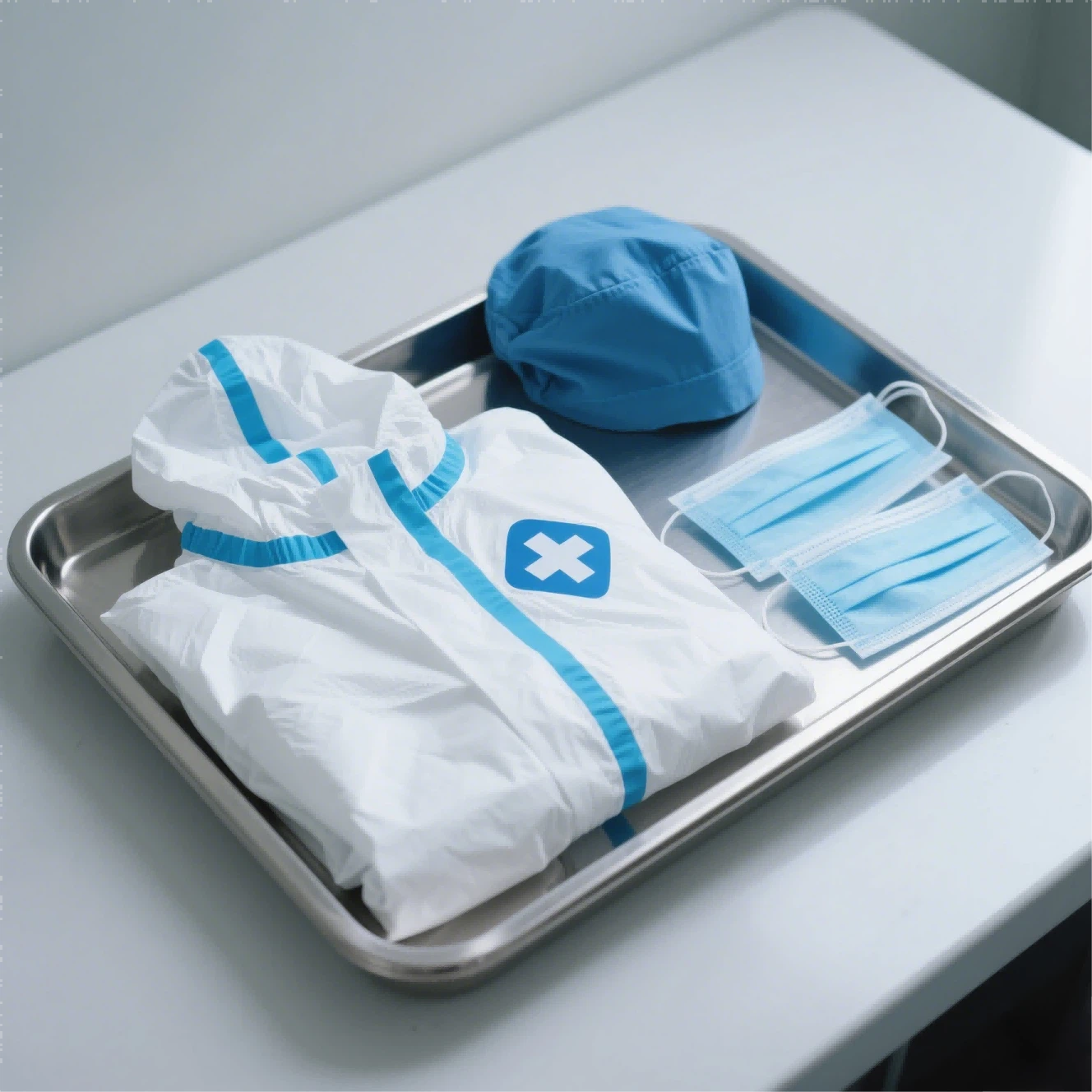
Medical protective clothing

Disposable cotton balls

Blood Collection

Disposable gauze

Infusion Device

Surgical Suture,Etc

Syringe
111111111
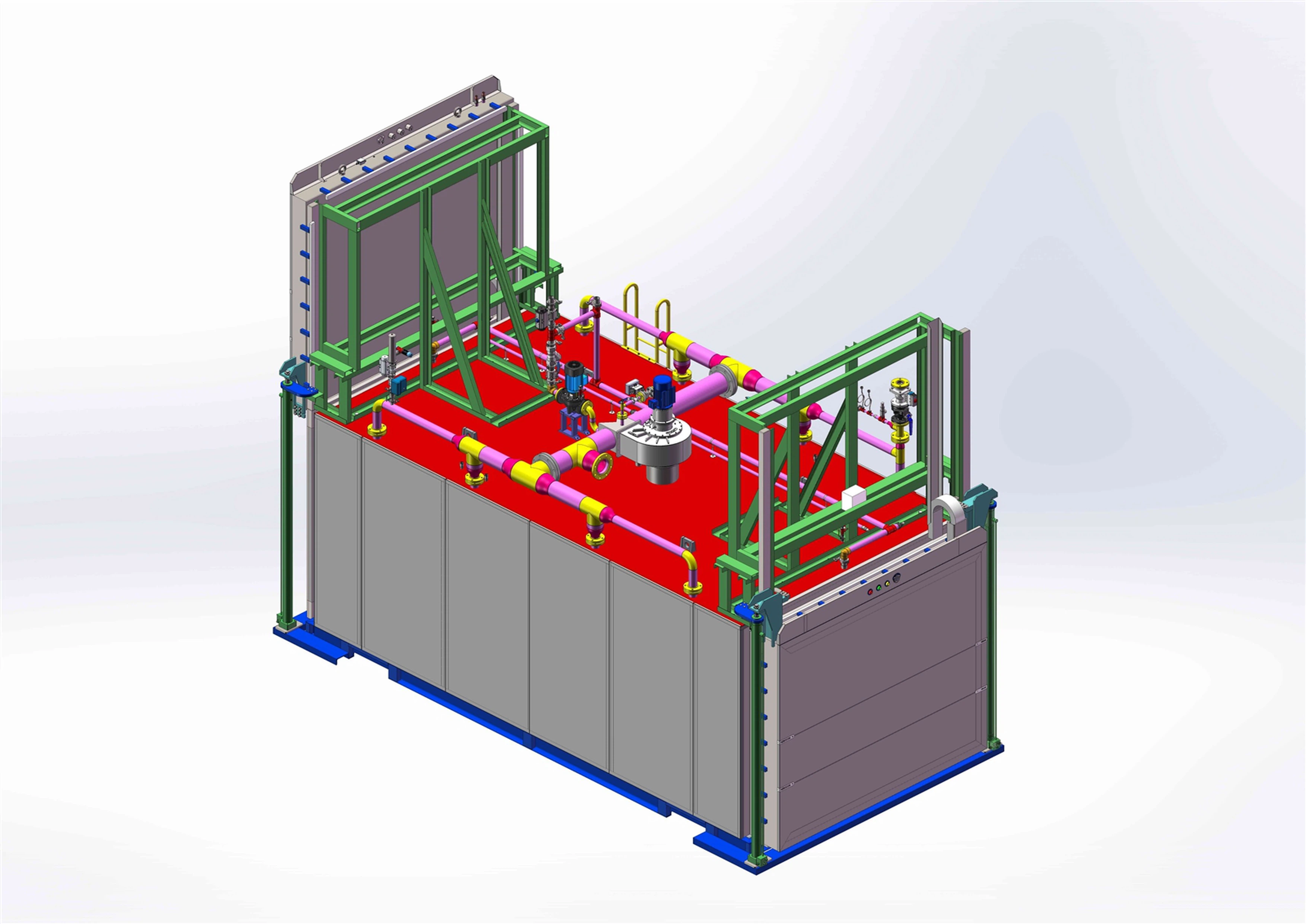
Why EO Sterilization Is Ideal for Disposable Medical Supplies
Disposable medical products are often made from polymers, elastomers, and multi-layer packaging that cannot tolerate high heat or radiation. EtO sterilization solves this challenge by delivering powerful microbial elimination without compromising product integrity.
Typical EO Sterilization Process for Disposables
step 01
Pre-conditioning
step 02
Gas Injection
step 03
Exposure
step04
Evacuation
step 05
Aeration
step 06
Residual Testing
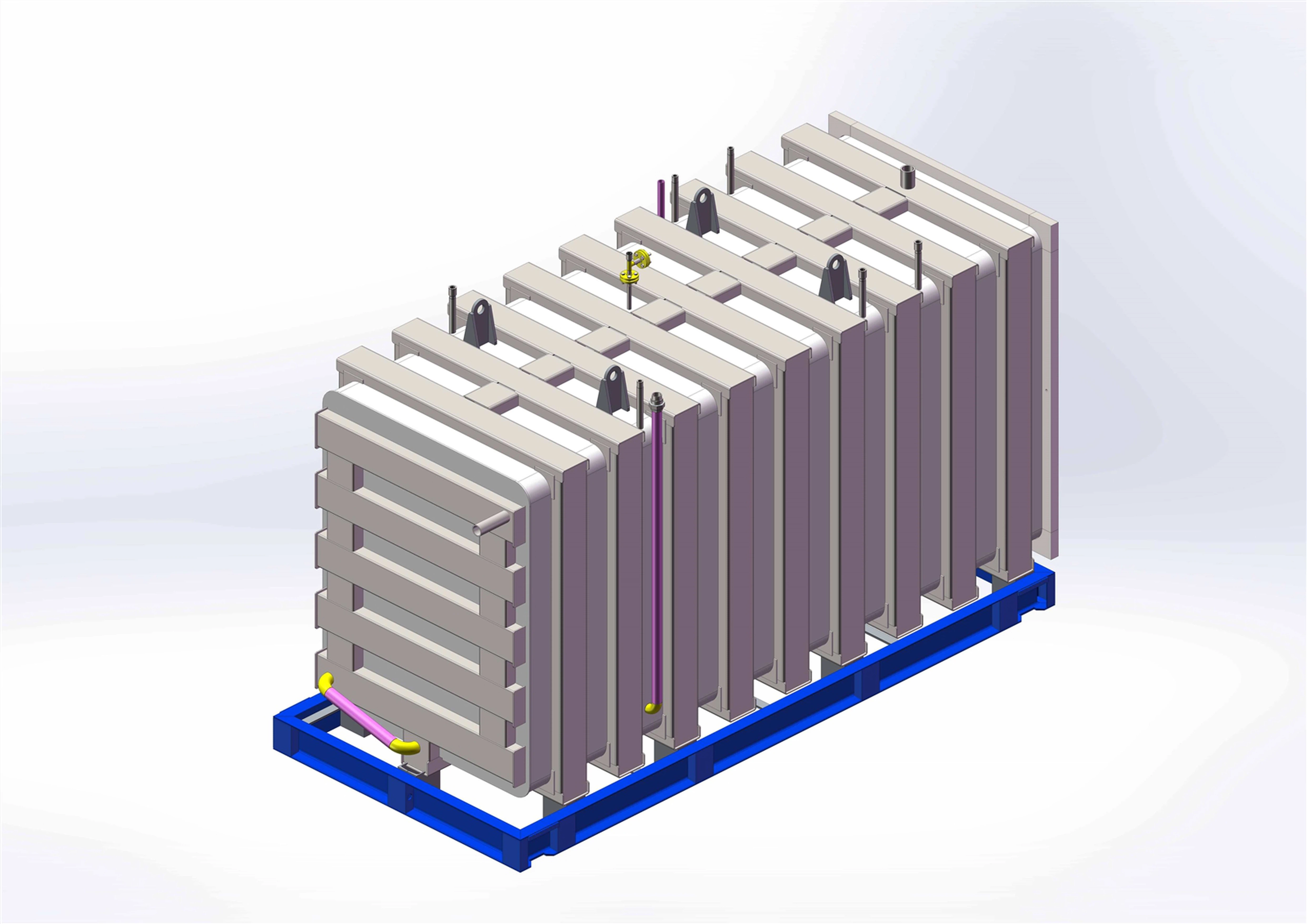
Regulatory & Validation Support
Our EO sterilization solutions are designed in full compliance with ISO 11135 and support seamless GMP integration. We provide FDA and CE documentation assistance, along with complete process validation support, including IQ, OQ, and PQ guidance, ensuring your medical devices meet global regulatory and audit requirements with confidence.
Key advantages include:
Low-temperature sterilization:
Protects delicate plastics and prevents deformation.
Excellent gas diffusion:
Penetrates sealed packaging and narrow lumens for consistent sterilization.
High sterility assurance level (SAL):
Achieves industry-recognized microbial reduction targets.
Broad material compatibility:
Suitable for silicone, polyethylene, PVC, composites, and more.

What sets Riches apart:
Extensive EO process expertise
End-to-end turnkey project delivery
Engineering-driven customization
Reliable global service support
Focus on safety, automation, and long-term performance
Whether you are expanding production or building a new sterilization facility, our team works closely with you to develop solutions aligned with your operational goals.
FAQ
Why are EO sterilizers widely used for disposable medical products?
Ethylene oxide (EO) sterilizers are preferred for disposable medical products because they operate at low temperatures and offer exceptional material compatibility. Many single-use items-such as syringes, catheters, surgical kits, and polymer-based devices-cannot withstand high heat or radiation without deformation or performance loss. EO gas penetrates packaging and complex product geometries, ensuring a high sterility assurance level while preserving product integrity. This makes EO sterilization a reliable method for manufacturers targeting strict healthcare quality standards.
What types of disposable medical products are suitable for EO sterilization cabinets?
EO sterilization cabinets are ideal for a wide range of disposable medical supplies, including infusion sets, surgical drapes, gloves, tubing systems, wound care materials, and pre-assembled procedure packs. Products with narrow lumens, multilayer packaging, or mixed materials particularly benefit from EO sterilization because the gas can diffuse evenly into hard-to-reach areas. This ensures consistent microbial control across the entire product load.
How does EO sterilization help manufacturers meet regulatory requirements?
Modern EO sterilizers are designed to support validated sterilization cycles that align with international medical device regulations and quality frameworks. With precise control over temperature, humidity, gas concentration, and exposure time, manufacturers can achieve repeatable results required for audit readiness. Proper aeration processes also help ensure residual gas levels remain within accepted safety limits, supporting compliance in global markets.
Is EO sterilization safe for sensitive materials used in disposable devices?
Yes. One of the primary advantages of EO sterilization is its compatibility with heat-sensitive materials such as polyethylene, PVC, silicone, elastomers, and engineered polymers. Unlike steam sterilization, EO does not expose products to damaging temperatures, reducing the risk of warping, brittleness, or functional degradation. When paired with advanced gas management and emission control systems, modern EO sterilization cabinets also enhance workplace and environmental safety.
What should manufacturers consider when selecting an EO sterilization system?
Manufacturers should evaluate chamber capacity, automation level, gas management technology, and engineering support when choosing an EO sterilizer. A system that integrates easily into existing production lines, supports scalable throughput, and enables process validation can significantly improve operational efficiency. Partnering with an experienced provider-such as Hangzhou Riches Engineering Co., LTD., known for turnkey sterilization solutions and strong project management-helps ensure long-term performance, compliance, and return on investment.