

Products

Ethylene Oxide Sterilizer For Indwelling Needle
The Ethylene oxide sterilizer for Indwelling needle by Hangzhou Riches Engineering Co., Ltd. represents a new generation of medical sterilization technology designed for precision, safety, and high-efficiency sterilization of invasive medical devices. As a top EtO sterilizer manufacturer with extensive experience in the pharmaceutical and medical equipment sectors, Riches delivers fully customized, EPC-based (Engineering, Procurement, Construction) and turnkey sterilization systems that meet the most stringent global standards.
Features
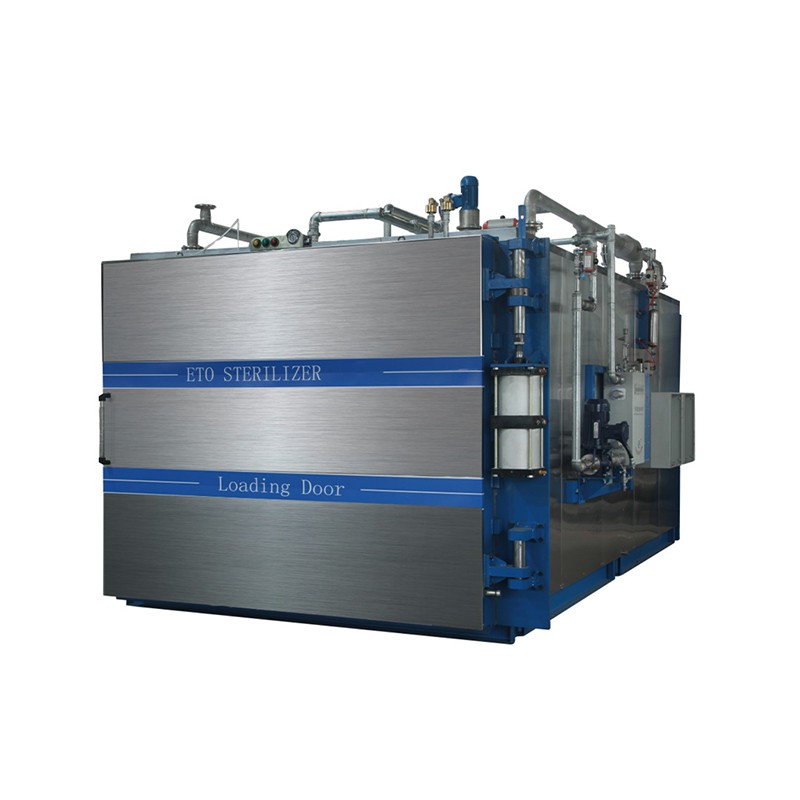
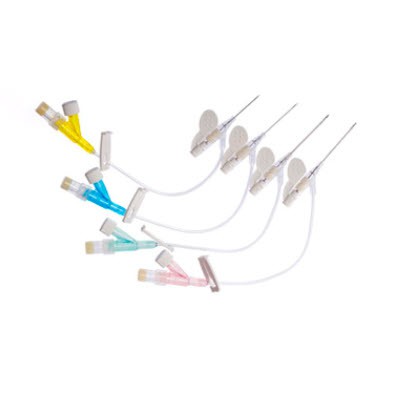
Ethylene oxide (EO) sterilization offers unique advantages for sterilizing indwelling catheters. Because indwelling catheters are often made of polymers such as polyurethane (PU), polytetrafluoroethylene (PTFE), and polypropylene (PP), which cannot withstand high temperatures and pressures, EO's low-temperature chemical sterilization method is an ideal choice. The sterilization process, typically performed between 25°C and 65°C, achieves thorough sterilization without altering the needle's structure, compromising its elasticity and transparency, ensuring stable product performance. Importantly, EO molecules are extremely small and possess excellent diffusion and penetration capabilities, allowing them to penetrate deep into multi-layer packaging, narrow passages, and even the interior of the needle, achieving comprehensive sterilization. This provides a safe and reliable sterilization solution.
The use of an ethylene oxide (EO) sterilizer during the sterilization of retention needles requires special attention to operational safety and process control. Prior to sterilization, the product must be clean and dry. Use highly breathable medical packaging materials, such as Tyvek® or medical paper, to ensure adequate gas permeability. During the sterilization process, temperature, humidity, gas concentration, and time must be strictly controlled. Typically, the temperature should be maintained between 37°C and 55°C, and the humidity should be approximately 40% to 70% to ensure thorough sterilization without damaging the needle material. After sterilization, thorough degassing (degassing) is essential to remove any residual EO gas and prevent harmful residues in the product. Explosion and leak prevention measures must be implemented during operation. The equipment should be equipped with gas monitoring, alarms, and ventilation systems, and operators must wear protective equipment. Parameters, records, and residual testing during the sterilization process must comply with international standards such as ISO 11135 and ISO 10993-7 to ensure product safety and regulatory compliance.
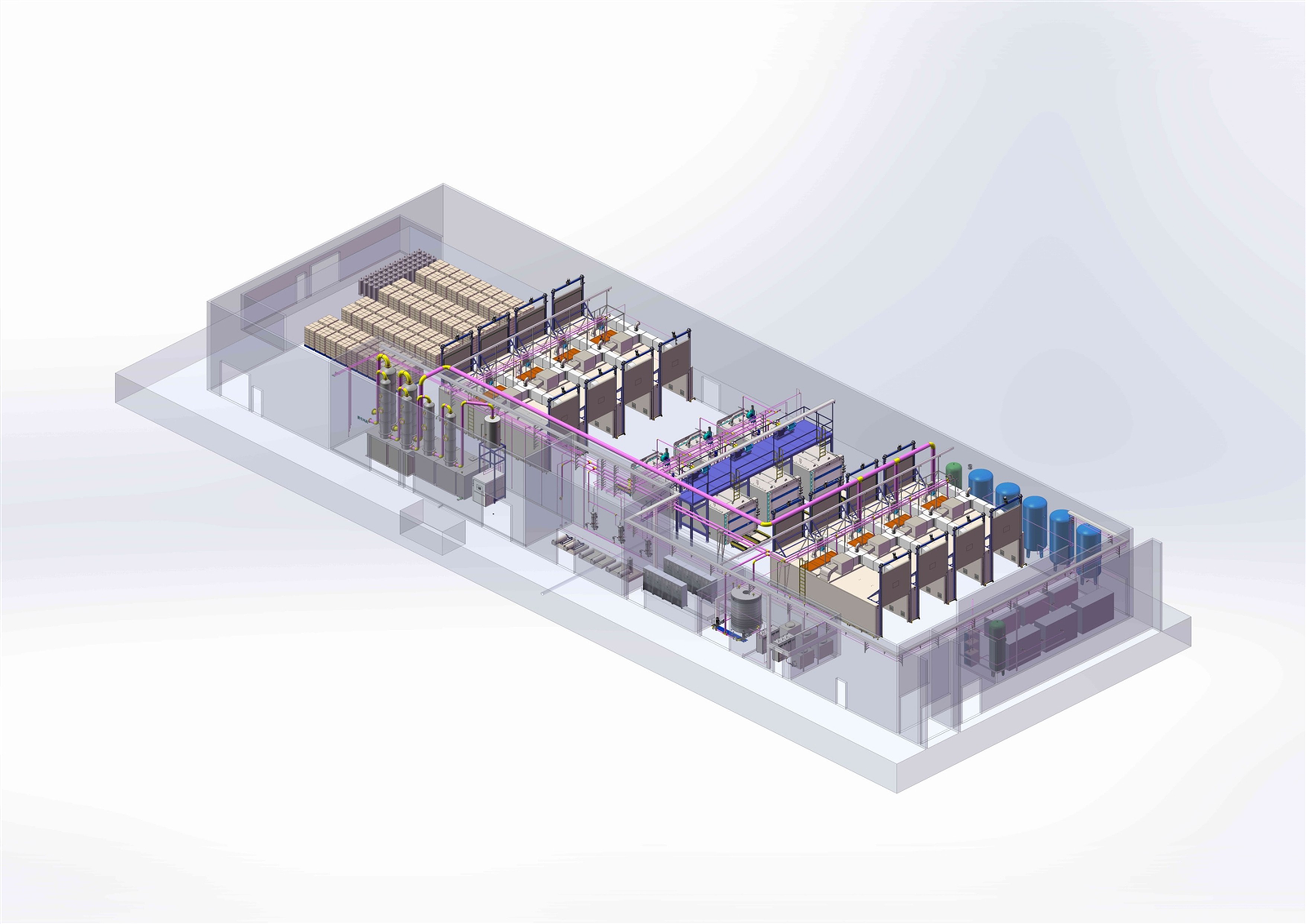
We provide professional 3D design of ethylene oxide disinfection cabinet
FAQ
When using an ethylene oxide sterilization system to process polymer medical devices like retention needles, how can we ensure thorough sterilization and material integrity?
You can find out the temperature, humidity, and gas concentration control ranges, and whether it is ISO 11135 validated.
What sterilization process mode does the equipment use? Is it vacuum pulsation, full-cycle automatic control, or semi-automatic?
Fully automated systems offer greater stability and traceability, facilitating GMP compliance.
Does it support sterilization of multiple medical device types? Is it compatible with different packaging formats?
High-quality equipment should offer flexible parameter settings to accommodate a wide range of products.
Hot Tags: ethylene oxide sterilizer for indwelling needle, China ethylene oxide sterilizer for indwelling needle manufacturers, suppliers, factory, EtO sterilizer for disposable infusion sets, EtO Gas Sterilizer, Eo Device Sterilization, EtO sterilizer for disposable infusion accessories, ISO 11135 Certified ETO Sterilizer, Eo Sterilization Equipment
You Might Also Like


Send Inquiry
