

What are the noise reduction measures for an Eto Machine?
Hey there! As a supplier of Eto Machines, I've been getting a lot of questions about noise reduction measures for these machines. So, I thought I'd put together this blog post to share some insights on the topic.
First off, let's talk about why noise reduction is important for Eto Machines. These machines are often used in medical facilities, laboratories, and other settings where a quiet environment is crucial. Excessive noise can not only be a nuisance but also have a negative impact on the health and well - being of the people working around the machine. It can cause stress, hearing problems, and even affect the accuracy of some delicate medical procedures.
1. Machine Design and Enclosure
One of the most effective ways to reduce noise from an Eto Machine is through proper machine design and the use of enclosures. When we design our Eto Machines, we pay close attention to the layout of the internal components. By arranging the parts in a way that minimizes vibrations and the transmission of sound waves, we can significantly cut down on the noise level.
For example, we use vibration - isolating mounts for the motors and other moving parts. These mounts act as a buffer, absorbing the vibrations that would otherwise be transferred to the machine's frame and then radiated as noise. It's like putting a shock absorber on a car to smooth out the ride, but here, it's to quiet down the machine.
Enclosures are also a great addition. A well - designed enclosure can act as a sound barrier. We use high - density materials in our enclosures that are good at blocking sound. These enclosures are not only effective at reducing noise but also protect the machine from dust and other contaminants. Check out our Large Ethylene Oxide Sterilizer Chamber which is designed with noise - reduction in mind. The enclosure around it helps to keep the noise in check while providing a safe and efficient sterilization environment.
2. Maintenance and Lubrication
Regular maintenance is key to keeping an Eto Machine quiet. Over time, parts can wear out, and loose or misaligned components can create extra noise. That's why we recommend a strict maintenance schedule.
For instance, checking and tightening all the bolts and screws on a regular basis. Loose bolts can cause parts to rattle and vibrate, leading to increased noise. Also, inspecting the belts and chains for proper tension is important. If a belt is too loose or too tight, it can make a lot of noise as it runs.
Lubrication is another crucial aspect. Moving parts need proper lubrication to run smoothly. When parts are well - lubricated, there's less friction, and less friction means less noise. We use high - quality lubricants that are specifically designed for the type of machinery in our Eto Machines. By applying the right amount of lubricant at the right intervals, we can ensure that the machine operates quietly and efficiently.
3. Airflow and Ventilation Design
The airflow and ventilation system in an Eto Machine can also be a source of noise. If the air is flowing too fast or in a turbulent way, it can create a whooshing or whistling sound.
To address this, we design our ventilation systems carefully. We use aerodynamic shapes for the ducts and vents to ensure smooth airflow. By reducing the turbulence in the air, we can cut down on the noise generated by the ventilation system.
We also use fans with low - noise designs. These fans are engineered to move a large volume of air with minimal noise. And we make sure that the fans are properly balanced. An unbalanced fan can wobble and create a lot of noise. Our Ethylene Oxide Sterilizer For Syringes has a well - designed ventilation system that keeps the noise to a minimum while effectively removing any harmful gases.
4. Sound - Absorbing Materials
Adding sound - absorbing materials inside the machine and around its surroundings can make a big difference. Inside the machine, we line the walls of the enclosure with sound - absorbing foam. This foam traps the sound waves and converts them into heat energy, reducing the amount of noise that escapes.
Around the machine, we can also use acoustic panels. These panels can be installed on the walls of the room where the Eto Machine is located. They work in a similar way to the foam inside the machine, absorbing the sound waves and preventing them from bouncing around the room. This not only reduces the overall noise level but also improves the acoustics of the space.
5. Noise - Canceling Technology
In some of our more advanced Eto Machines, we're starting to incorporate noise - canceling technology. This technology works by generating sound waves that are the exact opposite (out of phase) of the noise produced by the machine. When these two sets of sound waves meet, they cancel each other out.
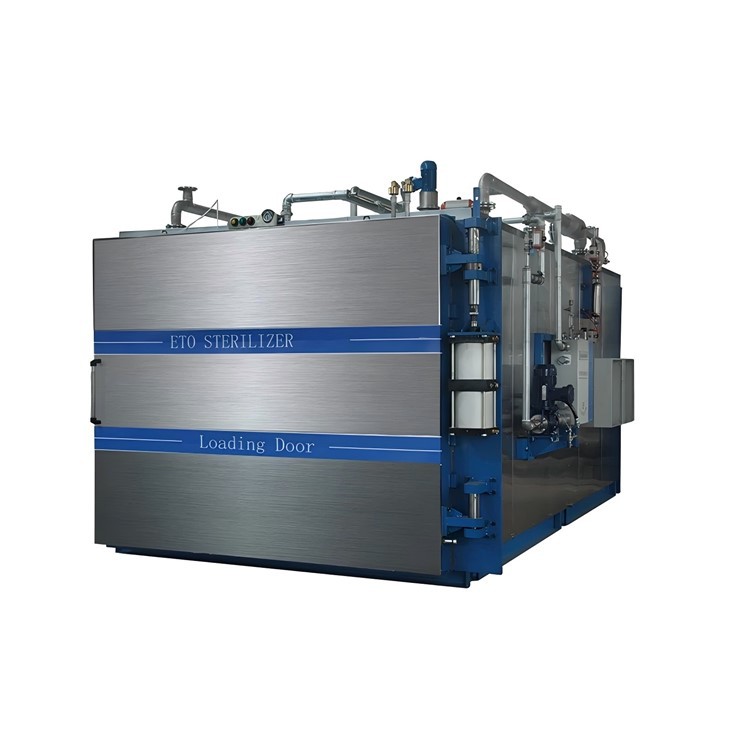

It's like a high - tech way of silencing the noise. While this technology is still relatively new and more expensive, it offers a very effective solution for achieving extremely low noise levels. Our EO Sterilizer Chamber is one of the models where we're exploring the use of this cutting - edge noise - canceling technology.
Conclusion
In conclusion, there are several effective noise reduction measures for Eto Machines. From proper machine design and enclosures to regular maintenance, careful airflow design, the use of sound - absorbing materials, and even noise - canceling technology, we have a range of options to keep the noise down.
If you're in the market for an Eto Machine and noise reduction is a priority for you, we'd love to have a chat. We can provide you with more detailed information about our products and how they can meet your specific needs. Whether you're running a small medical clinic or a large laboratory, we have the right Eto Machine for you. Don't hesitate to reach out and start a conversation about your procurement needs.
References
- Industrial Noise Control Handbook, Second Edition. CRC Press.
- Machinery's Handbook: A Reference Book for the Mechanical Engineer, Designer, Manufacturing Engineer, Draftsman, Toolmaker, and Machinist. Industrial Press Inc.