

Products
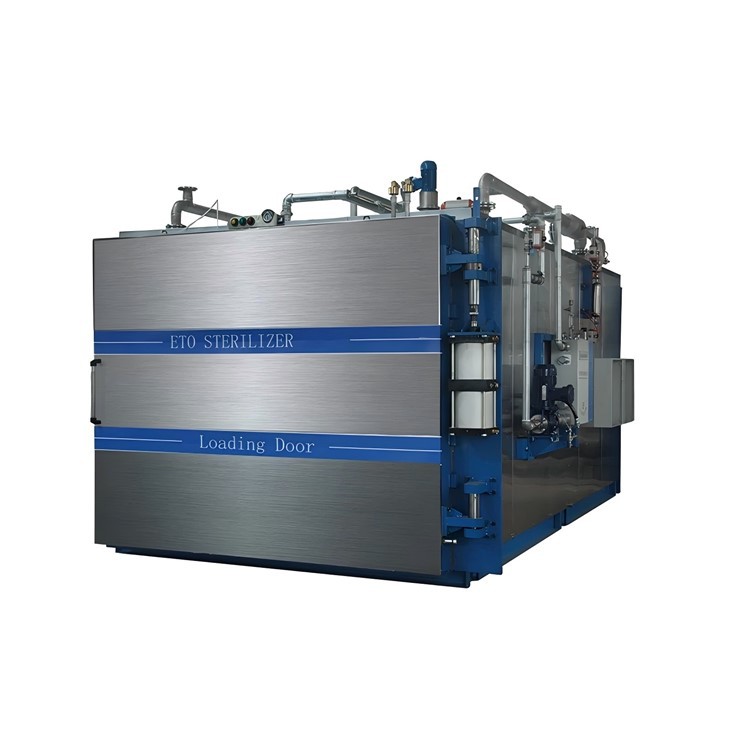
EtO Sterilization For Anesthesia Breathing Systems
EtO sterilization for anesthesia breathing systems is a specialized low-temperature gaseous sterilization solution designed for complex, heat-sensitive respiratory components used in operating rooms and intensive care units. Anesthetic breathing circuits—including masks, corrugated tubing, connectors, reservoirs, and multi-component valves—are typically manufactured from plastics, elastomers, and other polymer-based materials that cannot withstand high-temperature steam sterilization. Our system delivers validated, residue-controlled sterilization performance while preserving the structural integrity and functionality of delicate respiratory assemblies.
Features
Our EtO sterilization for anesthesia breathing systems employs a precisely controlled, multi-stage cycle within a sealed chamber:
1. Preparation and Cleaning
Components are disassembled, thoroughly cleaned, and dried to remove organic residues and excess moisture. Proper preparation ensures effective sterilization and prevents unwanted chemical reactions.
01
2. Pretreatment and Humidification
Temperature and relative humidity (typically 50–70%) are strictly controlled. Controlled humidity enhances microbial susceptibility and optimizes gas sterilization.
02
3. Vacuum Stage
Air is evacuated from the chamber, allowing the gas to fully penetrate the long tubing and complex internal structure.
03
4. Gas Exposure
A specific concentration of ethylene oxide (usually mixed with an inert carrier gas) is introduced. During the exposure stage, the ethylene oxide alkylates the DNA and proteins of microorganisms, achieving a high level of sterilization, including bacterial spores.
04
5. Vacuuming and Air Purging Cycle
After exposure, residual sterilizing agents are removed through vacuuming and multiple purgings with filtered air to reduce gas concentration.
05

Controlled Aeration for Residual Safety
Because ethylene oxide is toxic and potentially hazardous if retained in polymer materials, a dedicated aeration stage is critical. Sterilized anesthesia breathing systems are transferred to a temperature-controlled aeration chamber (typically 50–60°C) for 8–12 hours or longer as required.
This step ensures residual EtO levels comply with international safety standards, protecting both patients and clinical personnel from chemical exposure risks. Proper degassing is essential for regulatory compliance and safe clinical application.
Technical Advantages
Material Compatibility
Cryogenic treatment prevents deformation of plastics, silicone, and elastomers.
Deep Penetration Capability
Gas diffusion reaches internal piping and complex valve structures.
High Sterility Assurance
Effectively combats spores and drug-resistant microorganisms.
FAQ
Why is EtO sterilization preferred for anesthesia breathing systems instead of steam sterilization?
EtO sterilization is preferred because anesthesia breathing systems are primarily made from heat-sensitive plastics, silicone, and rubber components that cannot tolerate high-temperature steam sterilization. Steam autoclaving may cause deformation, material degradation, or loss of mechanical integrity in delicate respiratory circuits. In contrast, EtO sterilization operates at low temperatures (typically 37°C–63°C), ensuring effective microbial inactivation without compromising material performance. Additionally, ethylene oxide gas has excellent penetration capability, allowing it to reach long lumens, corrugated tubing, and complex valve structures commonly found in breathing systems.
How does EtO sterilization ensure complete sterilization inside long breathing tubes?
Anesthesia breathing circuits often contain narrow, extended tubing and multi-component connectors that are difficult to sterilize using surface-based methods. During the EtO sterilization process, a vacuum phase removes air from the chamber, enabling the gas to diffuse deeply into internal pathways. The small molecular size of ethylene oxide allows it to penetrate packaging materials and internal lumens efficiently. During the exposure phase, the gas alkylates microbial DNA and proteins, achieving a high sterility assurance level, including the elimination of bacterial spores. This makes it particularly reliable for complex respiratory assemblies.
Why is aeration necessary after EtO sterilization?
Aeration is a critical safety step in EtO sterilization for anesthesia breathing systems. Because ethylene oxide is toxic and can be absorbed into plastic and rubber materials, residual gas must be removed before clinical use. After the sterilization and evacuation phases, products are transferred to a heated and ventilated aeration chamber, typically maintained at 50–60°C for 8–12 hours or longer. This controlled degassing process reduces residual EtO to meet international safety standards and regulatory requirements, ensuring the breathing systems are safe for patient contact and medical application.
Hot Tags: eto sterilization for anesthesia breathing systems, China eto sterilization for anesthesia breathing systems manufacturers, suppliers, factory, EtO sterilization system for IV products, Injection product sterilization machine EtO, EtO sterilizer for oxygen therapy consumables, Ethylene Oxide Sterilization Cabinet, Medical needle sterilizer EtO, Ethylene oxide sterilizer for medical syringes
You Might Also Like


Send Inquiry
