

Ethylene Oxide Gas Sterilizer: Key Equipment for Medical and Industrial Sterilization
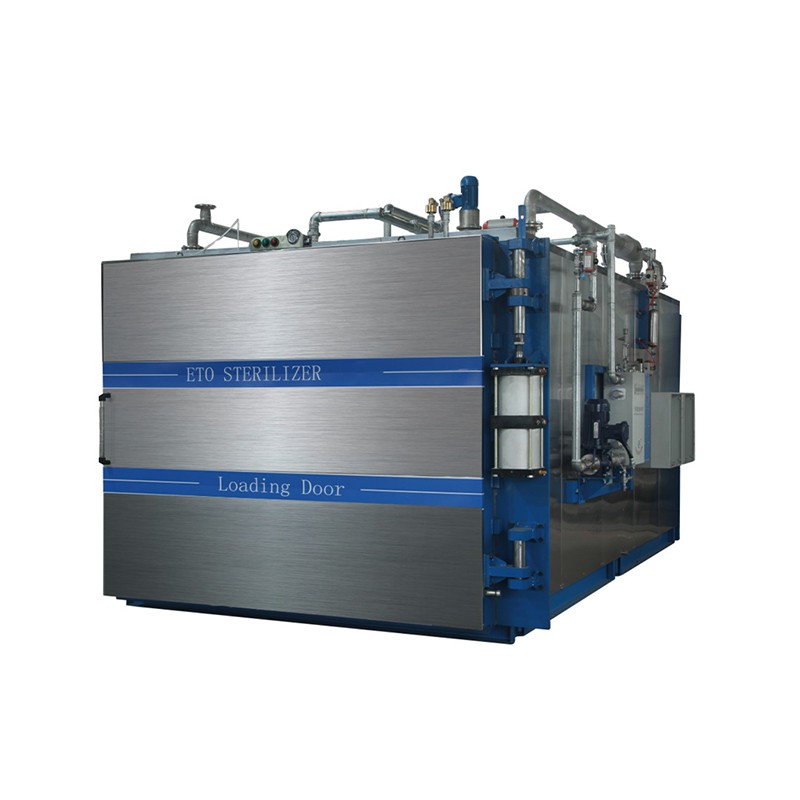
Overview of Ethylene Oxide Gas Sterilizer
Ethylene oxide sterilizer is a sterilization equipment widely used in medical and industrial fields, mainly used for efficient sterilization of items that are not resistant to high temperature, high pressure or humid environment. The equipment consists of a sterilization box, a heating system, a vacuum system, a dosing and gasification device, a residual gas treatment system, and a monitoring and control system, which can ensure the safety and effectiveness of the sterilization process.
Due to the strong penetrating power and broad-spectrum bactericidal ability of ethylene oxide (EO) gas, this sterilization method is widely used in the disinfection of medical devices, laboratory equipment and other special materials, and has become an indispensable sterilization method in modern medical and industrial production.
Application fields of Ethylene Oxide Gas Sterilizer
Ethylene oxide sterilizers are widely used in the medical and industrial fields, mainly including the following categories:
(1) Sterilization of medical equipment
Precision instruments such as anesthesia equipment, hemodialysis machines, artificial kidneys, etc.
Surgical instruments such as electric drills, electric knife pens, dental drills, bone drills, etc.
(2) Sterilization of endoscopes and optical instruments
Endoscopes such as gastroscopes, colonoscopes, arthroscopy, bronchoscopes, cystoscopes, etc.
Optical instruments such as ophthalmoscopes and otoscopes.
(3) Sterilization of rubber and polymer products
Rubber products such as catheters, drainage tubes, and endotracheal tubes.
Disposable medical consumables such as surgical gloves and syringes.
(4) Sterilization of other special items
Thermometers, sutures, artificial joints and other items that require high sterilization conditions.
Since ethylene oxide sterilization can be carried out under low temperature conditions and will not cause damage to precision instruments, it has become the preferred sterilization method for many medical institutions.
Types of ethylene oxide sterilizers
The ethylene oxide sterilizers on the market are currently divided into two main categories:
(1) Mixed gas type ethylene oxide sterilizer
This type of sterilizer uses a mixture of ethylene oxide and other inert gases (such as carbon dioxide or nitrogen) for sterilization, which can reduce the risk of explosion and improve safety.
(2) 100% pure ethylene oxide gas type sterilizer
This type of sterilizer uses high-concentration ethylene oxide gas, which has higher sterilization efficiency, but requires more stringent safety control measures to prevent leakage and explosion risks.
Both types have their own advantages, and medical institutions usually choose appropriate sterilization equipment according to actual needs.
Working principle of ethylene oxide sterilizer
The core of ethylene oxide sterilization lies in its powerful sterilization ability. Its working principle is as follows:
Gas penetration: ethylene oxide gas can penetrate the packaging material, enter the inside of the device, and kill microorganisms.
Alkylation: ethylene oxide undergoes non-specific alkylation reaction with microbial proteins, DNA and RNA, destroying their structure and causing the death of microorganisms.
Broad-spectrum sterilization: It can effectively kill bacterial propagules, spores, viruses and fungal spores, and is suitable for a variety of complex sterilization needs.
Low-temperature sterilization: It is usually carried out at 30°C~60°C and is suitable for medical devices that are not resistant to high temperatures.
The entire sterilization process includes pretreatment, vacuuming, dosing, sterilization, ventilation and other steps to ensure that the sterilization is thorough and the residual gas meets the standard.
Market situation of Ethylene Oxide Gas Sterilizer
Ethylene oxide sterilizers are mainly aimed at hospitals, pharmaceutical companies, medical device manufacturers and other institutions. Their prices vary depending on equipment specifications, brands and functions. Generally speaking, the price of small and medium-sized sterilization equipment is around hundreds of thousands of yuan, while large industrial-grade sterilization systems may cost up to millions of yuan.
Due to the rapid development of the medical industry, especially the popularization of minimally invasive surgery and endoscopic technology, the demand for ethylene oxide sterilizers continues to grow. At the same time, with the improvement of environmental protection and safety requirements, new low-residue and high-safety ethylene oxide sterilization technologies are also emerging.
Development History of Ethylene Oxide Sterilizers
The development of ethylene oxide sterilization technology has gone through several key stages:
1859: French chemist Wurtz first discovered ethylene oxide.
1936: Ethylene oxide began to be used for insecticide and sterilization.
1937: Gross and Dixon confirmed that ethylene oxide has a killing effect on 48 microorganisms.
1950s: Ethylene oxide sterilization technology entered the medical field.
1990s: Ethylene oxide sterilization equipment was widely used in American medical institutions.
21st century: With the advancement of technology, the safety and efficiency of ethylene oxide sterilizers have been greatly improved, becoming one of the mainstream methods of medical sterilization.
Future development trends
Although ethylene oxide sterilization technology is mature and efficient, its residual gas may have an impact on the environment and human health. Therefore, future development directions include:
Safer sterilization process: optimize ventilation and residual gas treatment technology to reduce ethylene oxide residues.
Exploration of alternative technologies: research on new sterilization methods such as hydrogen peroxide plasma sterilization and ozone sterilization.
Intelligent control: introduce AI and Internet of Things technology to realize automatic monitoring and management of the sterilization process.
Ethylene oxide sterilizers will still be an important choice for medical and industrial sterilization in the short term, but with technological advances, more environmentally friendly and efficient sterilization solutions will be gradually promoted.
Conclusion
Ethylene oxide sterilizers occupy an important position in the medical and industrial fields due to their broad-spectrum sterilization capabilities and low-temperature sterilization advantages. In the future, with the continuous upgrading of technology, the equipment will make greater breakthroughs in safety, environmental protection and intelligence, and continue to provide reliable sterilization solutions for the industry. : Key equipment for medical and industrial sterilization


