

Ethylene Oxide Sterilizer Buyer FAQs: What Medical Manufacturers Must Know Before Purchasing
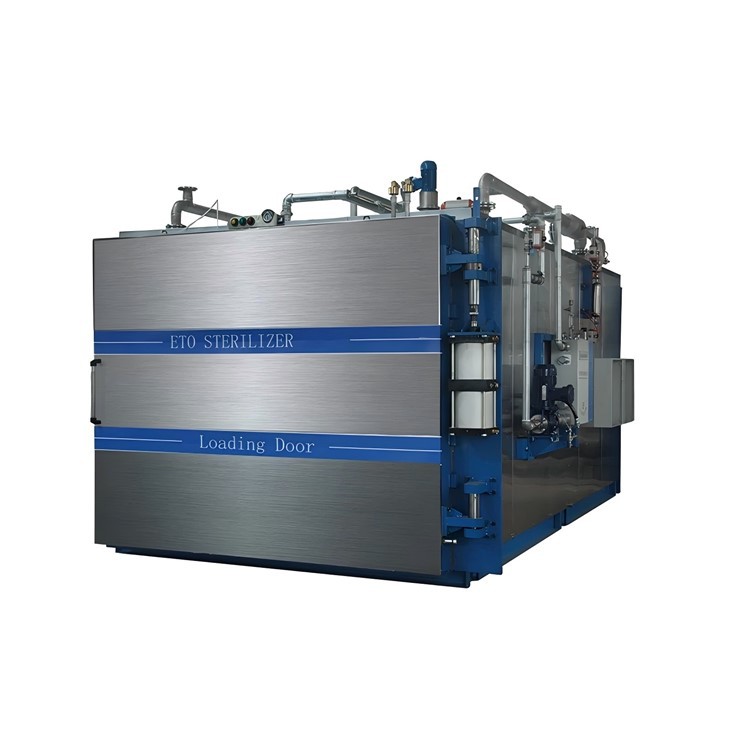
Introduction
As the global demand for sterile medical devices continues to grow, manufacturers are under increasing pressure to ensure product safety, regulatory compliance, and production efficiency. Among various sterilization technologies, ethylene oxide (EtO) sterilization remains one of the most widely used methods, particularly for heat-sensitive and pre-packaged medical products.
However, for many procurement managers and technical decision-makers, selecting the right ethylene oxide sterilizer can be complex. Questions around safety, customization, cycle time, and regulatory compliance often arise during the evaluation process.
This article addresses the most frequently asked questions from buyers, providing a practical guide to help manufacturers make informed purchasing decisions.
Why EtO Sterilization Remains Essential
Ethylene oxide sterilization plays a critical role in the medical device industry due to its unique advantages:
Low-temperature operation, suitable for plastics and polymers
Excellent penetration capability, reaching complex internal structures
Compatibility with final packaging, enabling terminal sterilization
High sterilization assurance level, eliminating even resistant microorganisms
These features make EtO sterilization the preferred solution for products such as syringes, infusion sets, catheters, and disposable surgical items.
Top Buyer FAQs About EtO Sterilizers
Q1: What types of products are suitable for EtO sterilization cabinets?
EtO sterilizers are primarily used for heat- and moisture-sensitive medical products. This includes:
Disposable injection kits
Plastic syringes and tubing
Catheters and medical devices with narrow lumens
Pre-packaged sterile consumables
If a product cannot withstand high-temperature steam sterilization, EtO is often the most viable solution.
Q2: How long does a typical sterilization cycle take?
A complete EtO sterilization cycle typically ranges from 14 to 48 hours, depending on:
Product material and density
Packaging type
Required sterility assurance level
The cycle includes preconditioning, sterilization, and aeration phases. Among these, aeration (degassing) is the most time-consuming but critical stage, as it ensures the removal of residual ethylene oxide gas.
Q3: Is EtO sterilization safe for operators and the environment?
Yes, modern EtO sterilization systems are designed with advanced safety features, including:
Vacuum and nitrogen replacement systems
Gas leakage detection sensors
Explosion-proof chamber design
Dedicated exhaust and gas treatment systems
When properly operated, these systems comply with international safety and environmental regulations.
Q4: Can the sterilizer be customized for different production needs?
Customization is one of the most important factors when selecting an EtO sterilizer. Manufacturers typically require:
Adjustable chamber sizes and capacities
Tailored sterilization cycles for different materials
Integration with automated production lines
Compatibility with various packaging formats
A reliable supplier should provide flexible engineering solutions to meet these requirements.
Q5: How is residual ethylene oxide controlled after sterilization?
Residual EtO is managed through a controlled aeration process, which involves:
Circulating heated, filtered air
Maintaining optimal temperature conditions (30–50°C)
Allowing sufficient time for gas desorption
Proper aeration ensures that residual gas levels meet international safety standards before products are released for use.
Q6: What certifications and validation are required?
Buyers should ensure that the sterilization system supports:
GMP compliance
ISO standards (e.g., ISO 11135)
IQ/OQ/PQ validation processes
These certifications are essential for regulatory approval and market access.
Key Purchasing Considerations
When selecting an ethylene oxide sterilizer, buyers should evaluate several critical factors:
Technical Performance
Precision in controlling temperature, humidity, and gas concentration
Uniform gas distribution within the chamber
Safety Systems
Explosion-proof design
Leak detection and alarm systems
Gas treatment and emission control
Customization Capability
Ability to tailor solutions based on product specifications
Flexibility in system integration
Operational Efficiency
Cycle time optimization
Energy consumption
Maintenance requirements
Supplier Expertise
Industry experience
Engineering capabilities
After-sales support and training
Industry Trends and Future Outlook
The EtO sterilization industry is evolving rapidly, driven by both regulatory pressure and technological innovation.
Increased Focus on Environmental Compliance
Governments worldwide are introducing stricter regulations on EtO emissions, pushing manufacturers to adopt advanced gas treatment systems.
Automation and Digitalization
Modern sterilizers are increasingly integrated with:
MES systems
Remote monitoring platforms
Data traceability tools
This enhances production efficiency and regulatory compliance.
Demand for Customization
As medical devices become more complex, the need for tailored sterilization solutions continues to grow. Suppliers that can provide customized systems will have a significant competitive advantage.
Conclusion
Ethylene oxide sterilization remains a cornerstone technology in the medical device industry, particularly for disposable and heat-sensitive products. However, selecting the right sterilization cabinet requires a thorough understanding of technical, safety, and regulatory factors.
By addressing common buyer concerns and focusing on key purchasing criteria, manufacturers can make informed decisions that ensure product quality, operational efficiency, and long-term compliance.
For companies seeking reliable sterilization solutions, partnering with an experienced supplier that offers customization, validation support, and strong after-sales service is essential to achieving sustainable success in a highly regulated industry.


