

How can AI-driven parameter self-optimization technology improve the consistency of EtO sterilization?
Hangzhou Riches Engineering Co., Ltd.
Hangzhou Riches Engineering Co., Ltd., based in Hangzhou, Zhejiang Province, is a leading innovator in ethylene oxide (EtO) sterilization technology, renowned for merging precision engineering with advanced digital solutions. With a research and development team of nearly 800 engineers and specialists, the company develops over 20 new robotic and sterilization-related products annually, focusing on enhancing efficiency, safety, and reliability in sterilization processes. This commitment to technological advancement positions Riches Engineering as a key player in industries requiring stringent sterility standards.
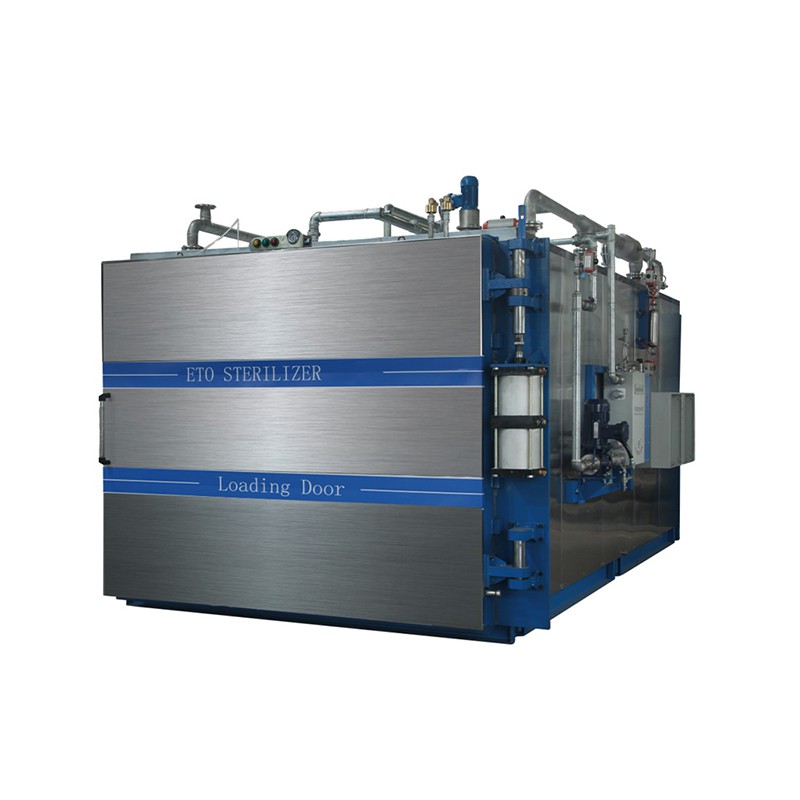
At the core of Riches Engineering's offerings is its EtO sterilization systems, which utilize ethylene oxide gas to eliminate bacteria, viruses, and spores on heat-sensitive materials. These systems are distinguished by their integration of AI-driven technologies, particularly parameter self-optimization, which addresses a critical challenge in EtO sterilization: maintaining consistent results across varying load types, environmental conditions, and equipment wear. By leveraging artificial intelligence to adjust sterilization parameters in real time, Riches Engineering's solutions ensure that each cycle meets the same high standards of sterility, reducing variability and enhancing reliability-a capability that is transformative for industries where consistent sterilization is paramount to safety and compliance.
The Challenge of Consistency in Traditional EtO Sterilization
Sources of Variability in Sterilization Cycles

Equipment wear is another source of variability. Over time, sensors, valves, or gas injectors may degrade, causing subtle shifts in parameter control. A slight leak in the chamber could reduce EtO concentration, requiring longer exposure times to achieve sterility-a adjustment traditional systems may not make automatically.
These variables can result in cycles that are either over-sterilized (wasting time and resources) or under-sterilized (posing safety risks), undermining the reliability of the process.
Consequences of Inconsistent Sterilization
Inconsistency in EtO sterilization has serious implications. In healthcare settings, under-sterilized medical devices can lead to infections, putting patients at risk. Over-sterilization, while ensuring safety, shortens the lifespan of heat-sensitive instruments and increases operational costs by extending cycle times.
Regulatory compliance is impacted. Sterilization records must demonstrate consistent adherence to standards, but variability in cycles can create gaps in documentation or failed validation tests, leading to audits, fines, or operational shutdowns. For manufacturers, inconsistent sterilization can result in product recalls, damaging reputations and incurring significant financial losses.
How AI-Driven Parameter Self-Optimization Works
Real-Time Data Collection and Analysis
AI-driven self-optimization systems, as integrated into Riches Engineering's EtO sterilizers, rely on a network of sensors that continuously collect data during each cycle. These sensors monitor EtO concentration, temperature, humidity, chamber pressure, and even load characteristics (density, material type, and packaging).
The AI algorithm processes this data in real time, comparing it to a vast dataset of historical cycle outcomes. This dataset has successful cycles that achieved full sterility, as well as edge cases where parameters were adjusted to address variability. By analyzing patterns in the data, the AI identifies deviations from optimal conditions and determines how to adjust parameters to compensate.
Dynamic Parameter Adjustment
Unlike traditional systems, which follow fixed scripts, AI-driven systems make granular, real-time adjustments to parameters:
If sensors detect that humidity is rising more slowly than required for a load of porous devices, the AI may extend the preconditioning phase or increase steam injection to reach target levels.
If EtO concentration is lower than expected, the algorithm may prolong exposure time to ensure microbial kill is achieved.
For a load with mixed materials-some heat-sensitive, others durable-the AI may adjust temperature zones within the chamber, maintaining lower temperatures around delicate instruments while optimizing conditions for more robust materials.
These adjustments are made within predefined safety boundaries, ensuring that changes do not compromise sterility or equipment integrity. The goal is to keep each cycle on track to meet sterility standards, regardless of external variables or equipment wear.
Adaptive Learning and Continuous Improvement
A key advantage of AI-driven systems is their ability to learn and improve over time. Each cycle generates data that is fed back into the algorithm, refining its understanding of how different parameters interact with varying loads and conditions. If a particular type of surgical gown consistently requires higher EtO concentrations to achieve sterility, the AI will incorporate this insight into future cycles involving similar gowns, adjusting parameters proactively.
This adaptive learning ensures that the system becomes more accurate over time, reducing the need for manual recalibration and minimizing variability even as operational conditions change. It allows the system to anticipate potential issues and adjust parameters preemptively to maintain consistency.
Integration with Load Classification Systems
To further enhance precision, Riches Engineering's AI-driven systems integrate with load classification tools, which categorize instruments based on their material, complexity, and sterility requirements. Operators input basic load information ("dental handpieces" or "implant kits"), and the AI uses this classification to set initial parameters derived from historical data on similar loads.
A load classified as "endoscopic equipment" will trigger parameters optimized for long, narrow lumens, ensuring deep EtO penetration. A load labeled "pharmaceutical packaging" will prioritize gentle humidity control to avoid damaging delicate materials. This pre-classification, combined with real-time adjustments, creates a two-layered optimization approach that minimizes variability from the start of the cycle.
Enhancing Consistency Through Predictive Maintenance
Early Detection of Equipment Anomalies
AI-driven systems do more than optimize active cycles; they monitor equipment health to prevent variability caused by wear or malfunction. By analyzing data from sensors that track valve performance, gas flow rates, or chamber seal integrity, the AI can identify early signs of degradation.
This predictive capability allows maintenance teams to address issues before they affect cycle outcomes. The system may alert technicians to a worn O-ring that could soon cause a pressure leak, enabling replacement during a scheduled downtime rather than after a failed cycle. This proactive approach reduces unplanned stoppages and ensures that equipment continues to operate within optimal parameters, preserving consistency.
Calibration Optimization
Sensors and control systems in EtO sterilizers require regular calibration to maintain accuracy. Traditional calibration schedules are often based on fixed timeframes, which may be too frequent (wasting resources) or too infrequent (allowing drift to affect cycles).
AI-driven systems optimize calibration by analyzing sensor data to determine when drift exceeds acceptable thresholds. If a temperature sensor's readings start to deviate slightly from a reference standard, the AI will flag it for calibration, ensuring that adjustments are made only when necessary. This targeted approach reduces downtime while ensuring that sensors provide reliable data-critical for accurate parameter control and consistent cycles.
Energy and Resource Management
AI-driven systems optimize the use of energy and resources, which indirectly supports consistency. By adjusting heating and cooling cycles based on real-time chamber conditions, the AI minimizes energy fluctuations that could affect temperature stability. If the ambient room temperature rises, the system may reduce heating input to maintain the target chamber temperature, preventing overshoots that could alter EtO reactivity.
The AI regulates gas flow to avoid sudden surges or drops in EtO concentration, ensuring that the gas is distributed evenly throughout the cycle. This stable resource management creates a more controlled environment, reducing variability in microbial kill rates.
Benefits for Safety, Compliance, and Efficiency
Improved Sterility Assurance
The primary benefit of AI-driven self-optimization is enhanced sterility assurance. By adjusting parameters to counteract variability, these systems ensure that every cycle achieves the same level of microbial kill, eliminating the risk of under-sterilized loads. This is particularly valuable for complex or high-risk items, where even a single compromised cycle could have severe consequences.
The consistency of results simplifies validation, as each cycle produces predictable outcomes that align with regulatory standards.
Streamlined Compliance and Documentation
Regulatory bodies require detailed documentation of sterilization parameters and outcomes. AI-driven systems automate this process, generating comprehensive reports that log final results and the real-time adjustments made during the cycle. These reports provide a clear audit trail, demonstrating that the system actively maintained optimal conditions-even in the face of variability.
If the AI extended exposure time to compensate for a drop in EtO concentration, the report will note the deviation, the adjustment made, and the final sterility outcome. This level of detail simplifies compliance with standards and reduces the burden on staff tasked with manual record-keeping.
Resource Efficiency
AI-driven optimization reduces waste by ensuring that each cycle uses only the necessary amount of EtO sterilization, energy, and time. Over-sterilization is minimized, as the system adjusts parameters to meet sterility requirements without excess exposure. This lowers operational costs and reduces the environmental impact of EtO use, aligning with sustainability goals in healthcare and manufacturing.
For facilities processing high volumes of instruments, the time savings from more efficient cycles can significantly increase throughput, allowing more batches to be processed daily without compromising quality.
Reduced Dependency on Operator Expertise
Traditional EtO sterilization relies heavily on operator expertise to adjust parameters for varying loads-a source of variability, as human judgment can differ between staff members. AI-driven systems standardize this process, ensuring that cycles are optimized based on data rather than individual experience. This reduces the risk of human error, particularly in facilities with high staff turnover or varying levels of training, and creates a consistent approach to sterilization across shifts and locations.
Applications Across Industries
Medical Device Manufacturing
In medical device production, where sterilization is a critical step in quality control, AI-driven EtO systems ensure that every batch of devices-from simple syringes to complex implants-meets the same sterility standards. This consistency is essential for regulatory approval and reduces the risk of costly recalls.
Manufacturers with diverse product lines benefit particularly, as the AI adapts to the unique needs of each device type, from heat-sensitive polymers to metal components.
Healthcare Facilities
Hospitals and clinics rely on EtO sterilization for heat-sensitive instruments (endoscopes, surgical robots, and wound care devices). AI-driven systems ensure that these instruments are consistently sterile, reducing the risk of healthcare-associated infections. The adaptability of the technology is valuable in busy facilities, where load types and volumes vary throughout the day.
Pharmaceutical Packaging
Pharmaceutical products require sterile packaging to prevent contamination. AI-driven EtO systems optimize cycles for packaging materials, ensuring that sterility is achieved without damaging the packaging's barrier properties. Consistency in this context is critical, as compromised packaging can render entire batches of medication unsafe for use.
Research and Biotech Labs
Research laboratories often sterilize custom or specialized equipment that may not fit standard load profiles. AI-driven EtO systems adapt to these unique items, ensuring that even one-of-a-kind tools are sterilized consistently. This reliability supports reproducible research results, as contamination from inconsistent sterilization can skew experimental data.

