

Are there any safety standards for Et0 sterilization facilities?
EtO sterilization, also known as ethylene oxide sterilization, is a widely used method for sterilizing medical devices, pharmaceuticals, and other heat - and moisture - sensitive products. As a leading EtO sterilization supplier, I often encounter questions from customers regarding the safety standards for EtO sterilization facilities. In this blog post, I will delve into the existing safety standards and their significance in ensuring the proper operation of EtO sterilization facilities.
Understanding EtO Sterilization
Before we discuss the safety standards, it's essential to understand how EtO sterilization works. Ethylene oxide is a colorless, flammable gas with excellent penetration properties. When used in sterilization, it can effectively kill a wide range of microorganisms, including bacteria, viruses, and fungi, by alkylating their proteins and DNA.
The process typically takes place in an EO Sterilizer Chamber. Items to be sterilized are placed inside the chamber, and then ethylene oxide gas is introduced under controlled conditions of temperature, humidity, and pressure. After a specific exposure time, the gas is removed, and the products are aerated to eliminate any residual ethylene oxide.
The Need for Safety Standards
EtO is a highly effective sterilant, but it also poses significant health and safety risks. Ethylene oxide is a known human carcinogen, and exposure to high levels of EtO can cause respiratory problems, skin irritation, and damage to the nervous system. Moreover, due to its flammable nature, there is a risk of explosion if proper safety measures are not in place.
Safety standards for EtO sterilization facilities are crucial for several reasons. Firstly, they protect the health and safety of workers who operate the sterilization equipment. Secondly, they safeguard the environment by preventing the release of EtO into the atmosphere. Thirdly, they ensure the quality and safety of the sterilized products, as proper sterilization conditions must be maintained to achieve the desired level of microbial kill.
International and National Safety Standards
There are several international and national standards that govern EtO sterilization facilities.
International Standards
The International Organization for Standardization (ISO) has developed a series of standards related to EtO sterilization. ISO 11135:2014 specifies the requirements for the validation and routine control of ethylene oxide sterilization processes. This standard covers aspects such as process development, validation protocols, and monitoring of critical process parameters. It also provides guidelines for ensuring that the residual ethylene oxide levels in sterilized products are within acceptable limits.
National Standards
In the United States, the Occupational Safety and Health Administration (OSHA) has established strict regulations for workplace exposure to ethylene oxide. OSHA's Permissible Exposure Limit (PEL) for EtO is 1 ppm (parts per million) averaged over an 8 - hour workshift and a short - term exposure limit (STEL) of 5 ppm over a 15 - minute period.
The U.S. Food and Drug Administration (FDA) also plays a vital role in regulating EtO sterilization. The FDA requires medical device manufacturers to validate their EtO sterilization processes and demonstrate that the sterilized products meet the required safety and efficacy standards.
Components of Safety Standards for EtO Sterilization Facilities
Safety standards for EtO sterilization facilities typically cover the following key components:
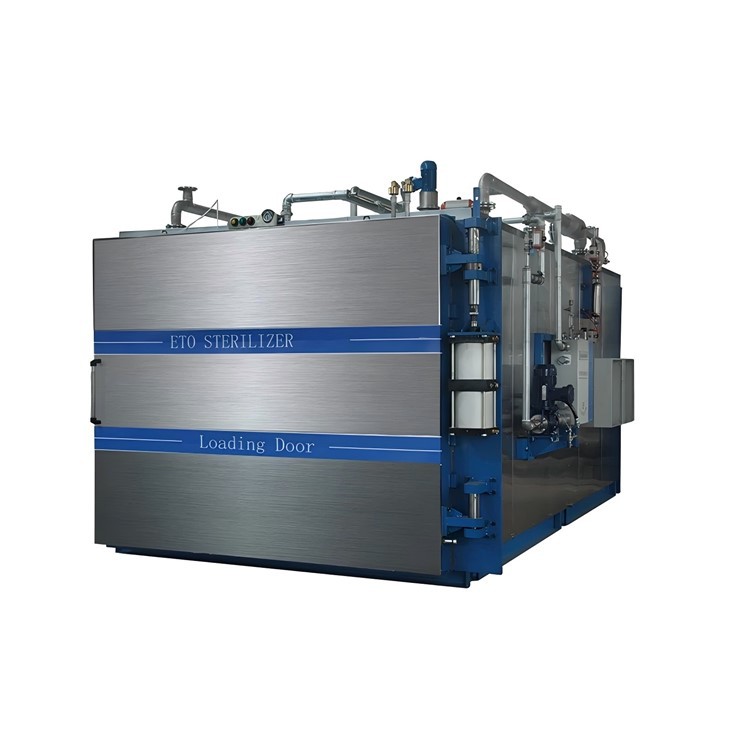
Facility Design
The design of an EtO sterilization facility is of utmost importance. The facility should be located in an area where there is minimal risk of exposure to the public. It should have proper ventilation systems to remove any leaked EtO gas. The Industrial Type Ethylene Oxide Sterilizers used in the facility should be installed in a dedicated room with appropriate fire - prevention and explosion - protection measures.
Equipment Maintenance
Regular maintenance of the EtO sterilization equipment is essential to ensure its safe and efficient operation. This includes checking the integrity of the ETO Sterilization Chamber, the gas supply system, and the aeration equipment. All equipment should be calibrated regularly to ensure accurate measurement of critical process parameters such as temperature, pressure, and gas concentration.
Worker Training
Workers who operate EtO sterilization facilities must receive comprehensive training on the safe handling of ethylene oxide. They should be educated about the health risks associated with EtO exposure, the proper use of personal protective equipment (PPE), and emergency response procedures in case of a gas leak or other incidents.
Monitoring and Documentation
Continuous monitoring of the sterilization process is required to ensure compliance with safety standards. This includes monitoring the concentration of EtO in the air, the temperature and humidity inside the sterilization chamber, and the residual EtO levels in the sterilized products. All monitoring data should be documented and retained for a specified period for auditing and regulatory purposes.
Challenges in Implementing Safety Standards
While safety standards for EtO sterilization facilities are well - defined, there are several challenges in implementing them.
One of the main challenges is the cost associated with compliance. Upgrading facilities to meet the latest safety standards can be expensive, especially for small - and medium - sized enterprises. This includes the cost of installing new ventilation systems, purchasing advanced monitoring equipment, and providing extensive worker training.
Another challenge is the complexity of the regulations. Different countries and regions may have slightly different requirements, which can make it difficult for multinational companies to ensure consistent compliance across all their facilities.
Our Role as an EtO Sterilization Supplier
As an EtO sterilization supplier, we are committed to helping our customers meet the safety standards for their EtO sterilization facilities. We offer high - quality EO Sterilizer Chamber and Industrial Type Ethylene Oxide Sterilizers that are designed to comply with international and national safety standards.
We also provide comprehensive technical support and training services to our customers. Our team of experts can assist with the installation and commissioning of the sterilization equipment, as well as the development of validation protocols and monitoring procedures.
If you are in the market for EtO sterilization solutions and want to ensure that your facilities meet the highest safety standards, we invite you to contact us for a detailed discussion. Our experienced sales team can provide you with customized solutions based on your specific needs and requirements. Whether you are a medical device manufacturer, a pharmaceutical company, or any other organization in need of reliable sterilization services, we are here to help you achieve safe and effective EtO sterilization.
References
- International Organization for Standardization. (2014). ISO 11135:2014 - Sterilization of health care products — Ethylene oxide — Requirements for development, validation and routine control of a sterilization process.
- Occupational Safety and Health Administration. (n.d.). Ethylene Oxide Standards.
- U.S. Food and Drug Administration. (n.d.). Medical Device Sterilization.