

How to dispose of Eto waste after sterilization?
Hey there! As a supplier of Eto Sterilization, I often get asked about how to properly dispose of Eto waste after sterilization. It's a crucial topic, and in this blog, I'll share some practical and scientific ways to handle this issue.
First off, let's understand what Eto waste is. Ethylene oxide (Eto) is a powerful sterilizing agent commonly used in medical and healthcare settings to kill bacteria, viruses, and fungi on various medical devices and equipment. After the sterilization process, there are residues of Eto that need to be dealt with carefully because Eto is a known carcinogen and can pose significant health and environmental risks if not managed correctly.
Why Proper Disposal Matters
Improper disposal of Eto waste can lead to air, water, and soil pollution. When Eto is released into the atmosphere, it can react with other chemicals and contribute to the formation of ground - level ozone, which is harmful to human health, especially for those with respiratory problems. In water bodies, it can contaminate drinking water sources and harm aquatic life. And if it seeps into the soil, it can affect the soil quality and the growth of plants.
Pre - Disposal Considerations
Before disposing of Eto waste, it's essential to ensure that the waste is properly identified and segregated. Different types of Eto - contaminated waste, such as used sterilization bags, medical devices that have been sterilized, and residual Eto gas, need to be handled differently.
For medical devices that have been sterilized with Eto, it's important to let them aerate properly. Aeration helps to reduce the Eto residues on the devices to safe levels. The aeration time can vary depending on the type of device, the size of the load, and the initial concentration of Eto used during sterilization. Generally, it can range from a few hours to several days.
Methods of Disposing Eto Waste
1. Incineration
Incineration is one of the most effective ways to dispose of Eto waste. When Eto is burned at high temperatures (usually above 800°C), it breaks down into carbon dioxide, water, and other harmless by - products. However, incineration needs to be carried out in a specialized facility that is equipped with proper pollution control devices. These devices can capture and treat any pollutants that may be released during the incineration process, such as nitrogen oxides and particulate matter.
The advantage of incineration is that it can handle large volumes of Eto waste quickly and efficiently. But it also has some drawbacks. The cost of building and operating an incineration facility is relatively high, and there may be public concerns about air pollution from the incinerator.
2. Chemical Treatment
Chemical treatment involves reacting Eto with other chemicals to convert it into less harmful substances. For example, Eto can react with sodium bisulfite to form a non - toxic compound. This method is often used for treating small amounts of Eto waste, such as residual Eto gas in the sterilization chamber.

The benefit of chemical treatment is that it can be done on - site, which reduces the need for transporting the waste to a disposal facility. However, it requires careful handling of the chemicals, and the reaction conditions need to be precisely controlled to ensure complete conversion of Eto.
3. Biological Treatment
Biological treatment uses microorganisms to break down Eto. Some bacteria and fungi have the ability to metabolize Eto and use it as a source of carbon and energy. This method is more environmentally friendly compared to incineration and chemical treatment, as it doesn't produce any harmful pollutants.
However, biological treatment is a relatively slow process, and it requires specific environmental conditions, such as the right temperature, pH, and nutrient availability, for the microorganisms to grow and function effectively.
Regulatory Requirements
It's important to note that the disposal of Eto waste is subject to strict regulatory requirements. Different countries and regions have their own laws and regulations regarding the handling, transportation, and disposal of hazardous waste, including Eto waste. As an Eto Sterilization supplier, we always make sure to stay updated on these regulations and provide our customers with the necessary information and guidance to ensure compliance.
Choosing the Right Equipment
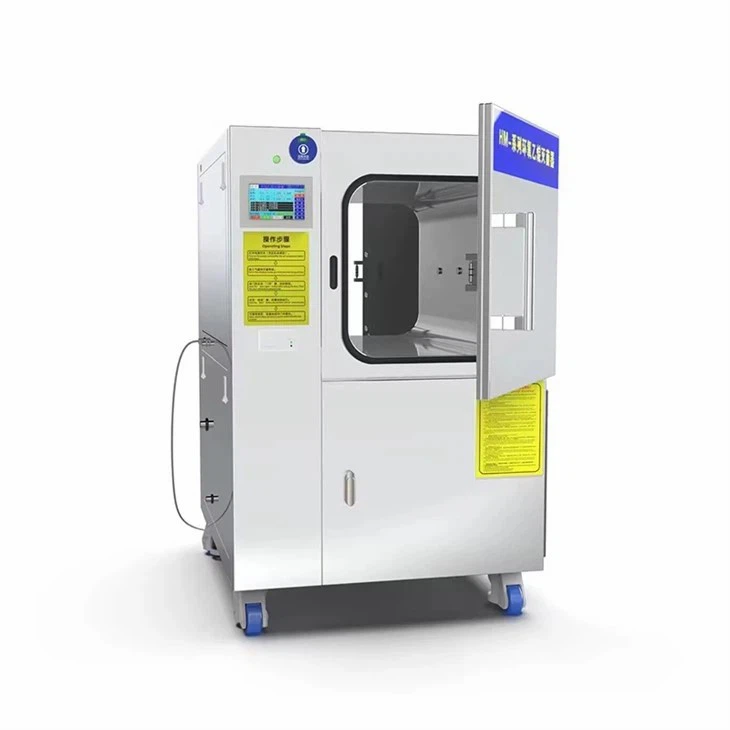
When it comes to Eto sterilization, having the right equipment is crucial. We offer a range of high - quality Eto sterilizers, including the Hospital Eto Sterilizer, which is specifically designed for hospitals and healthcare facilities. It has advanced features such as precise temperature and pressure control, which ensure effective sterilization and minimize the generation of Eto waste.
Our Medical Equipment Sterilizer is suitable for sterilizing a variety of medical equipment, from small surgical instruments to large medical devices. And if you need to handle large - scale sterilization, our Large - Capacity EO Sterilisers are the perfect choice. They can handle high - volume loads efficiently, reducing the overall cost of sterilization.
Contact Us for More Information
If you're in the market for Eto sterilization equipment or have any questions about Eto waste disposal, don't hesitate to reach out to us. We have a team of experts who can provide you with personalized solutions based on your specific needs. Whether you're a small clinic or a large hospital, we can help you find the right equipment and ensure that you're following the best practices for Eto waste disposal.
References
- Environmental Protection Agency. (202X). Guidelines for the Disposal of Hazardous Chemicals.
- World Health Organization. (202X). Safety Guidelines for the Use of Ethylene Oxide in Sterilization.
- International Journal of Environmental Health Research. (202X). Studies on the Environmental Impact of Eto Waste Disposal.