

How to ensure the stability of EO sterilisation units?
Hey there! As a supplier of EO sterilisation units, I've seen firsthand how crucial it is to keep these machines running smoothly. Ensuring the stability of EO sterilisation units isn't just about making sure they work; it's about guaranteeing the safety and quality of the products they sterilise. In this blog, I'll share some tips and tricks on how to achieve that.
Understanding EO Sterilisation Units
First things first, let's talk a bit about what EO sterilisation units are and how they work. EO, or ethylene oxide, is a gas that's used to sterilise medical devices, pharmaceuticals, and other products that can't withstand high temperatures or moisture. EO sterilisation units use a combination of EO gas, temperature, humidity, and time to kill bacteria, viruses, and other microorganisms.
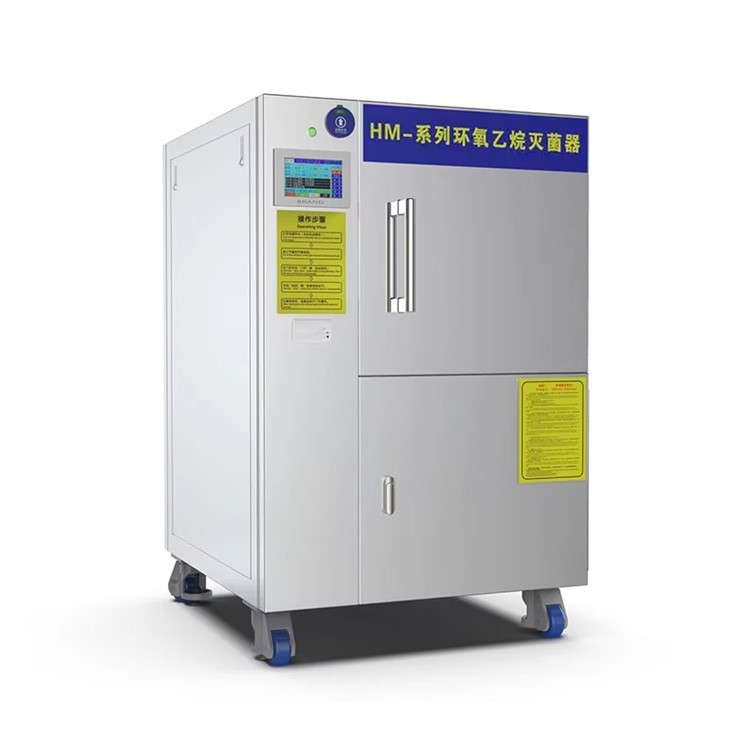
These units come in different sizes and configurations, from small tabletop models for hospitals to large industrial-grade systems for manufacturing plants. For example, if you're looking for a unit for a hospital, you might check out the Eto Machine for Hospital. And if you need an industrial solution, the Industrial Grade Ethylene Oxide Sterilizer or the Industrial Sterilization System could be great options.
Regular Maintenance
One of the most important things you can do to ensure the stability of your EO sterilisation unit is to perform regular maintenance. Just like a car, these machines need to be checked and serviced regularly to keep them in top condition.
- Cleaning: Make sure to clean the unit regularly, both inside and out. Remove any debris, dust, or residue that could affect the performance of the machine. Use a mild detergent and a soft cloth to clean the surfaces.
- Filter Replacement: Filters play a crucial role in removing contaminants from the EO gas. Check the filters regularly and replace them as recommended by the manufacturer. A clogged filter can reduce the efficiency of the unit and increase the risk of contamination.
- Calibration: Regular calibration is essential to ensure that the unit is operating at the correct temperature, pressure, and humidity levels. Follow the manufacturer's instructions for calibration and keep a record of all calibration activities.
Quality Control
In addition to regular maintenance, quality control is another key factor in ensuring the stability of EO sterilisation units. Here are some steps you can take to maintain high-quality standards:
- Validation: Before using a new EO sterilisation unit or making any significant changes to an existing unit, it's important to perform validation studies. These studies involve testing the unit under various conditions to ensure that it can consistently achieve the desired level of sterilisation.
- Monitoring: Continuously monitor the performance of the unit during operation. Use sensors and data loggers to track temperature, pressure, humidity, and EO gas concentration. Any deviations from the normal operating parameters should be investigated immediately.
- Documentation: Keep detailed records of all sterilisation cycles, including the date, time, temperature, pressure, humidity, and EO gas concentration. These records can be used for quality control purposes and to demonstrate compliance with regulatory requirements.
Operator Training
The people who operate the EO sterilisation units play a crucial role in ensuring their stability. Proper training is essential to make sure that operators know how to use the equipment correctly and safely.
- Initial Training: Provide comprehensive training to all new operators. This should include theoretical knowledge about EO sterilisation, as well as hands-on training on how to operate the specific unit.
- Refresher Training: Regularly conduct refresher training sessions to keep operators up-to-date on the latest procedures and best practices. This can help prevent errors and ensure that the unit is operated efficiently.
- Safety Training: EO is a hazardous gas, so it's important to provide thorough safety training to all operators. This should cover topics such as proper handling of EO gas, personal protective equipment (PPE), and emergency procedures.
Environmental Factors
The environment in which the EO sterilisation unit is located can also have an impact on its stability. Here are some environmental factors to consider:

- Temperature and Humidity: EO sterilisation units are sensitive to temperature and humidity changes. Make sure the unit is installed in an area with a stable temperature and humidity range. Use a climate control system if necessary.
- Ventilation: Proper ventilation is essential to prevent the buildup of EO gas in the room. The ventilation system should be designed to remove any EO gas that escapes from the unit and maintain a safe working environment.
- Electrical Supply: Ensure that the unit is connected to a stable electrical supply. Fluctuations in voltage or power outages can damage the equipment and affect its performance.
Troubleshooting
Even with regular maintenance and quality control, problems can still occur with EO sterilisation units. Here are some common issues and how to troubleshoot them:
- Low Sterilisation Efficiency: If the unit is not achieving the desired level of sterilisation, check the temperature, pressure, humidity, and EO gas concentration. Make sure the load is properly arranged and that there are no obstructions in the chamber.
- Gas Leak: A gas leak can be a serious safety hazard. If you suspect a gas leak, immediately shut down the unit and evacuate the area. Use a gas detector to locate the leak and repair it as soon as possible.
- Equipment Malfunction: If the unit is not functioning properly, refer to the manufacturer's troubleshooting guide. If you're unable to resolve the issue, contact the manufacturer's technical support team for assistance.
Conclusion
Ensuring the stability of EO sterilisation units is a complex but essential task. By following the tips and tricks outlined in this blog, you can help keep your units running smoothly and ensure the safety and quality of the products they sterilise.
If you're in the market for an EO sterilisation unit or need more information on how to maintain the stability of your existing unit, don't hesitate to reach out. We're here to help you find the right solution for your needs. Let's start a conversation and see how we can work together to improve your sterilisation processes.
References
- Manufacturer's manuals for EO sterilisation units
- Industry standards and guidelines for EO sterilisation
- Scientific research papers on EO sterilisation technology