

What are the differences between ethylene gas sterilization and gas - plasma sterilization?
Hey there! As a supplier of ethylene gas sterilization, I often get asked about the differences between ethylene gas sterilization and gas - plasma sterilization. So, I thought I'd write this blog to break it all down for you.
Let's start with ethylene gas sterilization. Ethylene gas, specifically ethylene oxide gas, has been a go - to method for sterilization in many industries for a long time. Ethylene Oxide Gas Sterilization (Ethylene Oxide Gas Sterilization) is a well - established process. Ethylene oxide gas (Ethylene Oxide Gas) is a powerful sterilant that can penetrate packaging materials and reach all surfaces of the items being sterilized. It works by reacting with the proteins and nucleic acids in microorganisms, effectively killing them.
One of the big advantages of ethylene gas sterilization is its versatility. It can be used on a wide range of materials, including plastics, rubber, and electronics. These materials might not be able to withstand high - temperature sterilization methods like autoclaving. For example, medical devices made of delicate plastics can be safely sterilized using ethylene gas without getting damaged.
Another plus is its effectiveness against a broad spectrum of microorganisms. It can kill bacteria, viruses, fungi, and even spores. This makes it a great choice for industries where a high level of sterility is required, such as the medical and pharmaceutical sectors.
However, ethylene gas sterilization also has its drawbacks. First of all, it's a relatively slow process. The sterilization cycle can take several hours, and then there's a required aeration period to remove any residual ethylene oxide gas from the sterilized items. This is because ethylene oxide is a known carcinogen and toxic to humans. So, proper aeration is crucial to ensure the safety of the end - users.
Now, let's talk about gas - plasma sterilization. Gas - plasma sterilization uses a combination of gas and plasma to achieve sterilization. Plasma is a state of matter where gas is ionized, creating a highly reactive environment. This reactive environment can break down the cell walls and membranes of microorganisms, leading to their destruction.
One of the main advantages of gas - plasma sterilization is its speed. The sterilization cycle is much shorter compared to ethylene gas sterilization. It can often be completed in less than an hour, which is a huge time - saver, especially in busy healthcare settings.

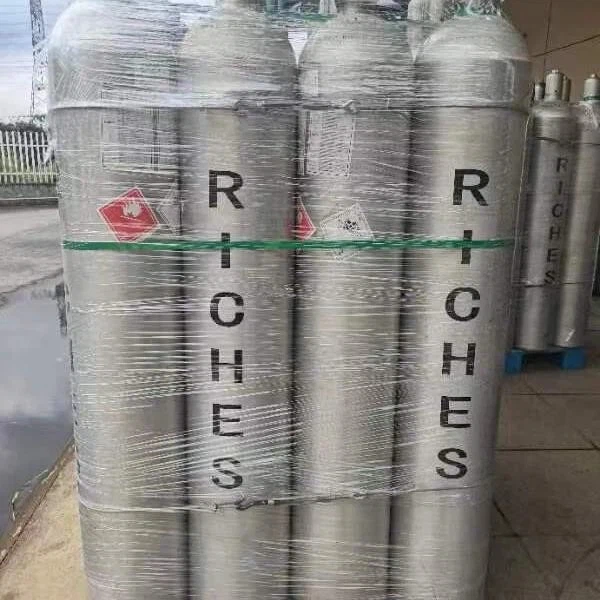
Gas - plasma sterilization is also environmentally friendly. It doesn't use any harmful chemicals like ethylene oxide. Instead, it typically uses hydrogen peroxide or other similar substances, which break down into harmless by - products like water and oxygen.
But gas - plasma sterilization also has limitations. It has poor penetration capabilities. It can only sterilize the surfaces that are directly exposed to the plasma. So, items with complex geometries or those that are packed in materials that block the plasma may not be effectively sterilized. Also, it's not suitable for all materials. Some materials, like certain types of plastics and rubbers, can be damaged by the high - energy plasma.
When it comes to cost, ethylene gas sterilization usually requires a significant investment in equipment and infrastructure. You need a proper sterilization chamber, aeration equipment, and safety systems to handle the toxic gas. On the other hand, gas - plasma sterilization equipment can be less expensive to purchase, but the cost of consumables like hydrogen peroxide can add up over time.
In terms of regulatory requirements, both methods are subject to strict regulations. Ethylene gas sterilization has to comply with regulations regarding the handling, storage, and disposal of ethylene oxide gas. Gas - plasma sterilization also has to meet standards for the quality and safety of the sterilization process.
If you're in an industry that requires the sterilization of a large number of items with complex shapes and made of various materials, ethylene gas sterilization might be the better choice. Its ability to penetrate and sterilize thoroughly makes it ideal for medical devices, pharmaceutical products, and some food packaging. But if you're looking for a fast and environmentally friendly option for surface - level sterilization of simpler items, gas - plasma sterilization could be more suitable.
As a supplier of ethylene gas sterilization, I can offer you high - quality ethylene oxide gas (Ethylene Oxide Gas) and ethylene oxide disinfectant (Ethylene Oxide Disinfectant) for your sterilization needs. Our products are reliable and meet all the necessary safety and quality standards.
If you're interested in learning more about ethylene gas sterilization or are considering switching to our products, I'd love to have a chat with you. We can discuss your specific requirements and see how we can best meet them. Whether you're in the medical, pharmaceutical, or any other industry that requires sterilization, we're here to help you achieve the highest level of sterility for your products.
In conclusion, both ethylene gas sterilization and gas - plasma sterilization have their own unique features, advantages, and limitations. The choice between the two depends on your specific needs, such as the type of materials you're sterilizing, the required speed of the process, and your budget.
References
- Textbooks on medical device sterilization
- Industry reports on sterilization technologies