

What are the effects of Eo Device Sterilization on device chemical properties?
Hey there! I'm a supplier of Eo Device Sterilization, and today I wanna chat about the effects of Eo Device Sterilization on device chemical properties.
Understanding Eo Device Sterilization
First off, let's quickly go over what Eo Device Sterilization is. Ethylene oxide (EO) is a colorless gas that's been used for ages to sterilize medical devices, food packaging, and all sorts of other stuff. It works by penetrating the materials and killing off any microorganisms like bacteria, viruses, and fungi.
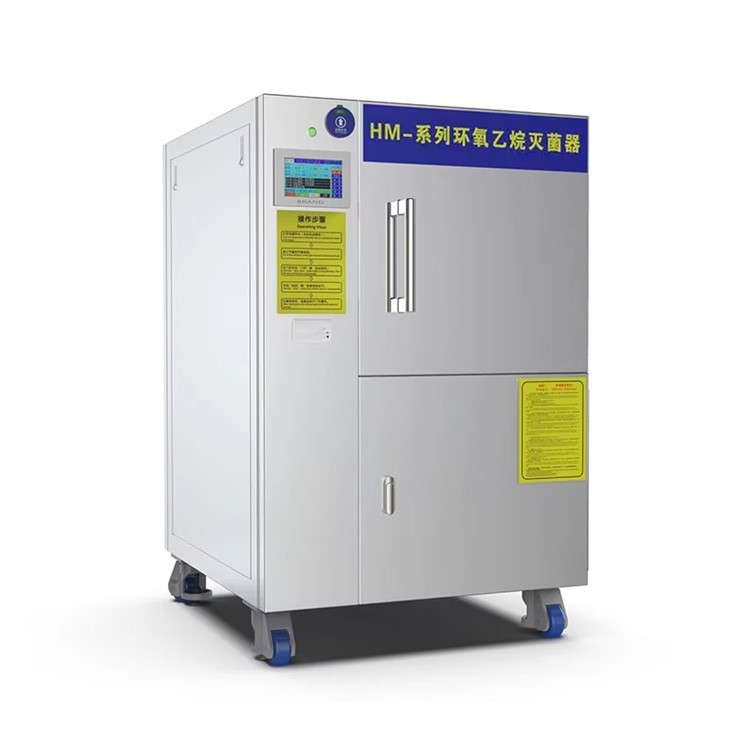
EO sterilization has a bunch of perks. It can handle a wide range of materials, including those that can't take high temperatures, like plastics and rubber. It's also super effective at reaching every nook and cranny of a device, no matter how complex its shape is. You can check out more about the equipment we use for this process on our ETO Sterilization Machine page.
The Chemical Changes Caused by Eo Sterilization
Polymer Materials
A whole lot of medical devices are made from polymers, and EO sterilization can have some interesting effects on them. One of the main things that can happen is a reaction between EO and the polymer chains.
For example, in polyesters, EO can react with the ester groups. This reaction might lead to the formation of new chemical bonds and the introduction of EO-derived functional groups onto the polymer. These changes can affect the mechanical properties of the polymer. Sometimes, it can make the polymer a bit more brittle, which means it's more likely to crack or break under stress.
On the other hand, in some cases, the reaction with EO can actually improve the surface properties of the polymer. It might increase the hydrophilicity, which means the surface becomes more attracted to water. This can be really useful for devices that need to interact with biological fluids, like catheters.
If you're interested in the industrial - scale solutions for EO sterilization, take a look at our Industrial Type Ethylene Oxide Sterilizers page.
Metals
When it comes to metal devices, EO sterilization usually doesn't cause any major chemical changes in the bulk metal. However, it can affect the surface chemistry.
Metals often have a thin oxide layer on their surface. EO can interact with this oxide layer, potentially altering its composition and thickness. For example, in stainless steel, the oxide layer helps to protect the metal from corrosion. If the EO sterilization process changes this layer in the wrong way, it could make the metal more susceptible to corrosion over time.
But hey, it's not all bad. Sometimes, the interaction with EO can actually improve the adhesion of coatings on metal surfaces. This can be great for devices that have special coatings for things like drug delivery or reducing friction.
Other Materials
There are also other materials used in devices, like ceramics and composites. EO sterilization can have different effects on these too.
In ceramics, EO might adsorb onto the surface, which could change the surface energy. This can affect how the ceramic interacts with other materials, like adhesives or biological tissues.
Composites, which are made up of two or more different materials, can be a bit more complex. The EO can react differently with each component of the composite. For example, if a composite has a polymer matrix and a ceramic filler, the EO might react with the polymer but not the ceramic. This can lead to changes in the overall mechanical and chemical properties of the composite.
You can learn more about the machines we offer for EO sterilization on our Ethylene Oxide Sterilization Machine page.
Impact on Device Performance
Biocompatibility
One of the most important things when it comes to medical devices is biocompatibility. That is, how well the device gets along with the human body. The chemical changes caused by EO sterilization can have a big impact on this.

If the EO reaction introduces new chemical groups onto the device surface, these groups might trigger an immune response in the body. For example, if the device releases EO residues or reaction by - products, the body might recognize them as foreign and mount an immune attack. This can lead to inflammation, which can be really bad for the patient.
On the other hand, if the EO sterilization improves the surface properties in a way that makes the device more compatible with biological tissues, it can actually enhance the performance of the device. For example, a more hydrophilic surface might allow cells to attach and grow better on the device, which is great for things like tissue engineering scaffolds.
Functionality
The chemical changes can also affect the functionality of the device. For a device that's supposed to release a drug in a controlled way, any change in the polymer matrix due to EO sterilization could mess up the drug release profile. If the polymer becomes more brittle, it might break and release the drug all at once instead of slowly over time.
In a device with electrical components, changes in the surface chemistry of metals or polymers could affect the electrical conductivity. This could lead to malfunctions or inaccurate readings in devices like sensors or monitors.
Controlling the Effects
As a supplier, we know how important it is to control the effects of EO sterilization on device chemical properties. We use a bunch of techniques to make sure that the sterilization process is as gentle as possible while still being effective.
One of the things we do is optimize the sterilization parameters. This includes things like the concentration of EO, the temperature, and the exposure time. By carefully adjusting these parameters, we can minimize the chemical reactions between EO and the device materials.
We also have strict quality control measures in place. After the sterilization process, we test the devices to make sure that the chemical properties are still within the acceptable range. This might involve things like measuring the mechanical properties, checking for EO residues, and evaluating the biocompatibility.
Why Choose Us?
We've got years of experience in the EO sterilization business. Our team of experts knows how to handle all sorts of devices and materials. We use state - of - the - art equipment, like the ones you can see on our ETO Sterilization Machine page, to ensure the best results.
We're also really committed to safety and quality. We follow all the industry standards and regulations to make sure that the devices we sterilize are safe for use. Whether you're a medical device manufacturer or a company in another industry that needs EO sterilization services, we've got you covered.
If you're interested in learning more about our Eo Device Sterilization services or want to discuss your specific needs, don't hesitate to reach out. We're here to help you find the best solution for your devices.
References
- Smith, J. (2018). "The Effects of Ethylene Oxide Sterilization on Medical Device Materials." Journal of Medical Device Science, 22(3), 123 - 135.
- Johnson, A. (2019). "Controlling Chemical Changes in EO Sterilized Devices." Sterilization Technology Today, 15(4), 45 - 52.
- Brown, C. (2020). "Biocompatibility of EO Sterilized Medical Devices." Biomaterials Research, 30(2), 78 - 85.