

What are the ethical considerations in EO sterilization?
Hey there! As a supplier in the EO sterilization business, I've been knee - deep in all things related to ethylene oxide (EO) sterilization. It's a fascinating field, but it also comes with a whole bunch of ethical considerations that we can't just sweep under the rug.
First off, let's talk about what EO sterilization is. EO is a colorless gas that's super effective at killing bacteria, viruses, and other microorganisms. That's why it's widely used in the medical and healthcare industries to sterilize all sorts of stuff, from surgical instruments to medical devices. But here's the catch: EO is also a known carcinogen and can be pretty harmful to human health and the environment.
One of the major ethical concerns is worker safety. Our employees are the ones who operate the EO sterilization equipment on a daily basis. They're exposed to EO fumes, and if proper safety measures aren't in place, it can put their lives at risk. We've got to make sure that we provide them with the right protective gear, like respirators and gloves. And regular safety training is a must. We can't just assume that everyone knows how to handle EO safely. It's our responsibility as a supplier to invest in the well - being of our workers.
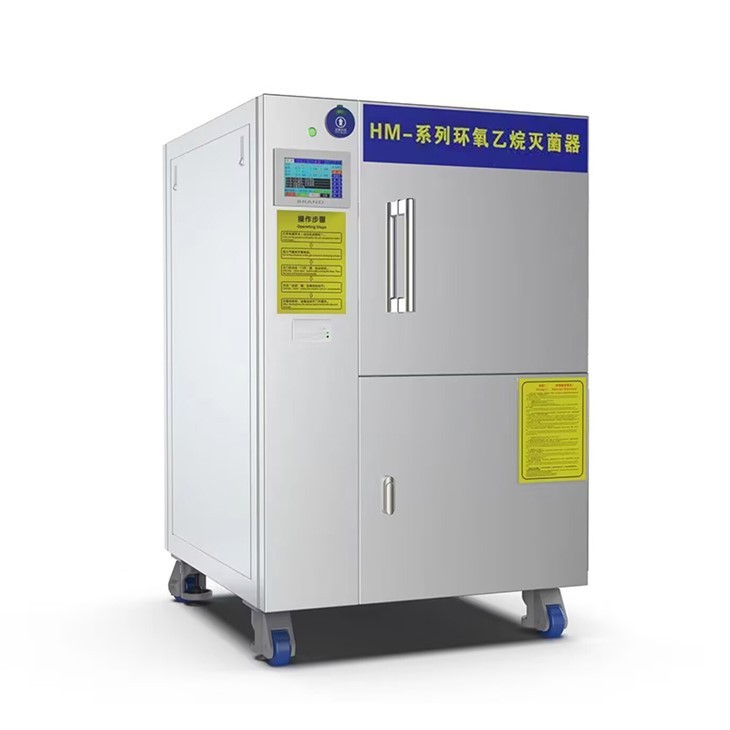
Another aspect is the environmental impact. EO is a greenhouse gas, and when it's released into the atmosphere, it can contribute to climate change. As a supplier, we need to be mindful of how much EO we're using and how we're disposing of it. There are technologies out there that can help us reduce EO emissions. For example, some modern Eto Sterilizer Machine are designed to capture and recycle EO, which not only reduces environmental harm but also saves costs in the long run.
Now, let's think about the customers. When hospitals and other healthcare facilities buy our EO sterilization services or products, they're trusting us to provide a safe and effective solution. We need to be transparent about the risks associated with EO sterilization. We can't just hide the fact that EO is a dangerous substance. Instead, we should educate our customers about how to use our products safely and what precautions they need to take.
For instance, if a hospital is considering buying an Eto Machine for Hospital, we should give them all the information they need about the machine's EO emissions, safety features, and maintenance requirements. This way, they can make an informed decision.
There's also the issue of product quality. We've got to ensure that our EO sterilization process actually works. If we're sterilizing medical devices, they need to be free of any harmful microorganisms. Otherwise, we're putting patients' lives at risk. That means we need to have strict quality control measures in place. Regular testing of the sterilized products is essential to make sure that they meet the required standards.
In addition, we need to think about the long - term effects of EO sterilization on the products themselves. Some materials might be affected by EO over time. For example, it could cause degradation or change the properties of certain plastics. We should research and understand these effects and communicate them to our customers.
Let's not forget about the community around our sterilization facilities. If we're releasing EO into the air, it can affect the health of the people living nearby. We need to work with local communities to address their concerns. This could involve conducting environmental impact studies and sharing the results with the community. We might also need to invest in measures to reduce the impact on the local environment, like installing better air filtration systems.
When it comes to competition, we also have ethical obligations. We can't just bad - mouth our competitors to get more business. Instead, we should focus on the quality of our own products and services. By being honest and ethical in our marketing and sales practices, we can build a good reputation in the industry.
As a supplier, we should also be involved in advocating for better regulations in the EO sterilization industry. If there are gaps in the current regulations, we should work with regulatory bodies to close them. This helps to ensure that everyone in the industry is operating in a safe and ethical manner.

Now, let's talk about some of the practical steps we can take to address these ethical considerations. First, we need to have a comprehensive ethical policy in place. This policy should cover all aspects of our business, from worker safety to environmental protection.
We should also establish an ethics committee within our company. This committee can review our practices regularly and make sure that we're staying on the right track. They can also handle any ethical complaints or issues that might arise.
Investing in research and development is another important step. We need to find better and safer ways to use EO in sterilization. Maybe there are new technologies on the horizon that can make EO sterilization even more efficient and less harmful. By staying at the forefront of innovation, we can not only improve our business but also contribute to the well - being of society.
In conclusion, ethical considerations in EO sterilization are a big deal. As a supplier, we've got a lot on our plate. We need to take care of our workers, protect the environment, be honest with our customers, and be a good neighbor to the local community.
If you're in the market for EO sterilization products or services, I encourage you to reach out to us. We're committed to providing high - quality, ethical solutions. Whether you're looking for an Eto Machine for Hospital or an Industrial Ethylene Oxide Disinfection Cabinet, we've got you covered. Let's start a conversation and see how we can meet your needs in the most ethical and effective way possible.
References:
- Occupational Safety and Health Administration (OSHA) guidelines on ethylene oxide safety.
- Environmental Protection Agency (EPA) reports on ethylene oxide emissions and environmental impact.
- Medical device industry standards for sterilization processes.