

What are the key parameters in Et0 sterilization?
EtO sterilization, short for ethylene oxide sterilization, is a widely used method in the medical and healthcare industries. As an EtO sterilization supplier, I've seen firsthand how crucial it is to understand the key parameters involved in this process. In this blog, I'll break down these parameters and explain why they matter.
Temperature
Temperature is a fundamental parameter in EtO sterilization. It plays a significant role in the effectiveness of the sterilization process. Generally, the temperature range for EtO sterilization is between 37°C and 63°C. Why this range? Well, at lower temperatures, the reaction rate between ethylene oxide and microorganisms slows down, which means it takes longer to achieve sterilization. On the other hand, if the temperature is too high, it can damage the items being sterilized.
For example, medical devices made of certain plastics or rubber may deform or lose their functionality at high temperatures. So, finding the right temperature is like walking a tightrope. We need to ensure that it's high enough to speed up the sterilization process but not so high that it harms the products. Our Ethylene Oxide Gas Sterilization Equipment is designed to precisely control the temperature within this optimal range, ensuring efficient and safe sterilization.
Humidity
Humidity is another critical factor. Microorganisms have a protective outer layer, and moisture helps the ethylene oxide gas penetrate this layer more effectively. A relative humidity of around 30% - 80% is typically recommended for EtO sterilization. When the humidity is too low, the ethylene oxide may not be able to reach the microorganisms inside their protective barriers, reducing the sterilization efficiency.
Conversely, excessive humidity can lead to condensation on the items being sterilized. This can cause corrosion on metal parts or leave water spots on delicate instruments. Our equipment is equipped with advanced humidity control systems that can maintain the ideal humidity level throughout the sterilization cycle. This way, we can guarantee that the ethylene oxide gas can do its job properly and eliminate all harmful microorganisms.
Gas Concentration
The concentration of ethylene oxide gas is directly related to the sterilization effect. The higher the gas concentration, the more effective the sterilization is likely to be. However, there are limits to how much gas we can use. High concentrations of ethylene oxide can be dangerous to both the operators and the environment.

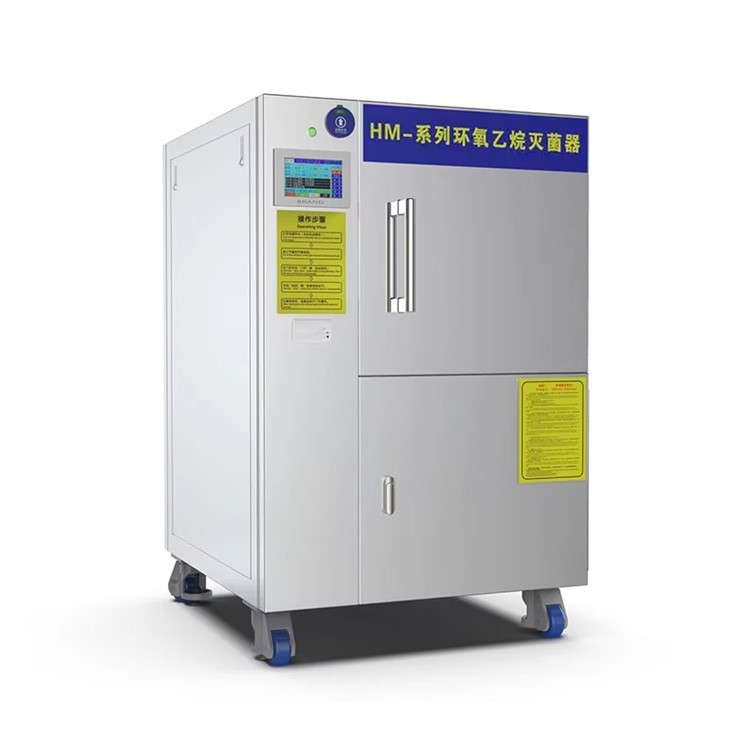
Typically, the gas concentration used in EtO sterilization ranges from 200 mg/L to 800 mg/L. We need to strike a balance between achieving a high - enough concentration for sterilization and ensuring safety. Our EtO Sterilizer For Implants is calibrated to accurately control the gas concentration, providing a reliable and safe sterilization solution for sensitive medical implants.
Exposure Time
Exposure time refers to how long the items are exposed to the ethylene oxide gas. It depends on several factors, including the type of microorganisms, the gas concentration, temperature, and humidity. Generally, the exposure time can range from a few hours to more than ten hours.
For example, if we're dealing with highly resistant microorganisms or using a lower gas concentration, we may need to increase the exposure time. But longer exposure times also mean higher costs and longer turnaround times for the sterilized products. Our equipment is designed to optimize the exposure time based on the specific requirements of each sterilization job, ensuring both effectiveness and efficiency.
Aeration Time
After the sterilization process, the items need to go through an aeration process. This is because ethylene oxide is a toxic gas, and any residual gas on the sterilized items can be harmful to users. Aeration helps to remove the residual ethylene oxide from the products.
The aeration time can vary depending on the type of items, the gas concentration used during sterilization, and the aeration conditions. It usually takes several hours to several days. Our equipment provides a controlled aeration environment, which can significantly reduce the aeration time without compromising the safety of the products. This is especially important for industries like Ethylene Oxide Dental Sterilization, where quick turnaround times are crucial.
Loading Pattern
The way we load the items into the sterilization chamber also matters. A proper loading pattern ensures that the ethylene oxide gas can circulate evenly around all the items. If the items are packed too tightly or in a way that blocks the gas flow, some areas may not receive enough gas, leading to incomplete sterilization.
We recommend leaving enough space between the items and arranging them in a way that allows the gas to reach every surface. Our technical support team can provide guidance on the best loading patterns for different types of products, ensuring that every item gets a thorough sterilization.
Monitoring and Validation
Throughout the EtO sterilization process, continuous monitoring and validation are essential. We need to monitor parameters such as temperature, humidity, gas concentration, and exposure time in real - time to ensure that they are within the specified ranges.
Validation is the process of proving that the sterilization process is effective. This involves using biological indicators (BIs) and chemical indicators (CIs). BIs contain live microorganisms that are highly resistant to sterilization. If these microorganisms are killed during the process, it indicates that the sterilization is successful. CIs change color based on the exposure to ethylene oxide gas, providing a quick and easy way to check if the items have been exposed to the gas.
Our equipment comes with advanced monitoring systems that can record all the key parameters during the sterilization process. This data can be used for validation purposes and also for quality control.
In conclusion, understanding and controlling these key parameters in EtO sterilization is crucial for achieving effective, safe, and efficient sterilization. As an EtO sterilization supplier, we're committed to providing high - quality equipment and services that can meet the diverse needs of our customers. Whether you're in the medical device industry, dental field, or any other industry that requires sterilization, we have the solutions for you.
If you're interested in our EtO sterilization products or services, feel free to reach out to us for a detailed discussion. We're here to help you find the best sterilization solution for your specific requirements.
References
- Block, S. S. (2001). Disinfection, Sterilization, and Preservation. Lippincott Williams & Wilkins.
- Rutala, W. A., & Weber, D. J. (2016). Guideline for Disinfection and Sterilization in Healthcare Facilities. Healthcare Infection Control Practices Advisory Committee (HICPAC).