

What are the storage conditions for EO gas?
Ethylene Oxide (EO) gas is a highly effective sterilizing agent widely used in various industries, especially in medical and laboratory settings. As a supplier of EO Gas Chambers, understanding and communicating the proper storage conditions for EO gas is crucial. This blog post will delve into the key aspects of EO gas storage, ensuring safety, efficacy, and compliance.
Physical and Chemical Properties of EO Gas
Before discussing storage conditions, it's essential to understand the physical and chemical properties of EO gas. Ethylene Oxide is a colorless gas at room temperature with a sweet, ether - like odor. It is highly flammable and explosive when mixed with air in concentrations ranging from 3% to 100% by volume. EO is also soluble in water and many organic solvents. These properties have a direct impact on how it should be stored.
Temperature Requirements
The temperature at which EO gas is stored plays a vital role in maintaining its stability. EO gas should be stored at a relatively low and stable temperature. Ideally, the storage temperature should be between 5°C and 25°C. Temperatures above this range can increase the vapor pressure of EO, leading to a higher risk of leakage and explosion. On the other hand, extremely low temperatures may cause the gas to condense, which can also pose challenges in handling and using the gas.
In addition, temperature fluctuations should be minimized. Sudden changes in temperature can cause expansion or contraction of the storage containers, potentially leading to leaks. For this reason, EO gas storage areas should be equipped with temperature - control systems, such as air - conditioning units or heating systems, to maintain a consistent temperature.
Pressure Considerations
EO gas is typically stored under pressure in specialized cylinders or tanks. The pressure inside the storage container is an important factor to monitor. The pressure should be maintained within the manufacturer's recommended range. Over - pressurization can lead to container failure, which is extremely dangerous due to the flammable and toxic nature of EO gas.
Regular pressure checks should be conducted using calibrated pressure gauges. If the pressure exceeds the safe limit, appropriate measures should be taken immediately, such as releasing some of the gas in a safe and controlled manner or contacting the gas supplier for guidance.

Ventilation
Proper ventilation is crucial when storing EO gas. Since EO gas is flammable and toxic, any leakage can pose a significant risk to human health and safety. The storage area should have a well - designed ventilation system that can continuously remove any leaked EO gas from the environment.
The ventilation system should be capable of providing a sufficient air exchange rate. A general rule of thumb is to have at least six air changes per hour in the storage area. The ventilation system should also be designed to direct the exhaust air away from occupied areas and sources of ignition.
Storage Containers
The choice of storage containers for EO gas is of utmost importance. EO gas should be stored in high - quality, pressure - rated cylinders or tanks that are specifically designed for storing this gas. These containers should be made of materials that are resistant to corrosion and chemical attack by EO.
Regular inspections of the storage containers are necessary to check for signs of damage, such as dents, scratches, or corrosion. Any damaged containers should be immediately taken out of service and replaced. In addition, the valves and fittings of the storage containers should be inspected regularly to ensure they are in good working condition and do not leak.
Separation from Incompatible Substances
EO gas should be stored separately from incompatible substances. It is incompatible with many oxidizing agents, acids, and alkalis. Contact with these substances can cause chemical reactions that may lead to explosions or the release of toxic by - products.
For example, EO can react violently with chlorine, bromine, and other strong oxidizers. Therefore, these substances should be stored in a different area away from the EO gas storage. A clear separation should be maintained, and appropriate signage should be used to indicate the storage areas of different substances.
Fire and Explosion Prevention
Due to the flammable nature of EO gas, strict fire and explosion prevention measures should be implemented in the storage area. The storage area should be a non - smoking zone, and all sources of ignition, such as open flames, electrical sparks, and hot surfaces, should be eliminated.
Electrical equipment in the storage area should be explosion - proof. This includes lighting fixtures, switches, and any other electrical devices. Grounding and bonding of the storage containers and associated equipment are also necessary to prevent the build - up of static electricity, which can potentially ignite the EO gas.
Monitoring and Safety Equipment
Continuous monitoring of the EO gas storage area is essential. Gas detectors should be installed to detect any leakage of EO gas. These detectors should be calibrated regularly to ensure their accuracy. In case of a gas leak, the detectors should trigger an alarm system to alert personnel.
Safety equipment, such as personal protective equipment (PPE), including respirators, gloves, and goggles, should be readily available in the storage area. Fire extinguishers suitable for extinguishing EO gas fires should also be installed at strategic locations.
Regulatory Compliance
When storing EO gas, it is essential to comply with all relevant local, national, and international regulations. These regulations are in place to ensure the safety of workers, the public, and the environment. Failure to comply with these regulations can result in significant fines and legal consequences.
Some of the key regulations that may apply include those related to hazardous materials storage, workplace safety, and environmental protection. It is the responsibility of the EO gas storage facility to stay updated on these regulations and ensure full compliance.
Our EO Gas Chambers and Storage Solutions
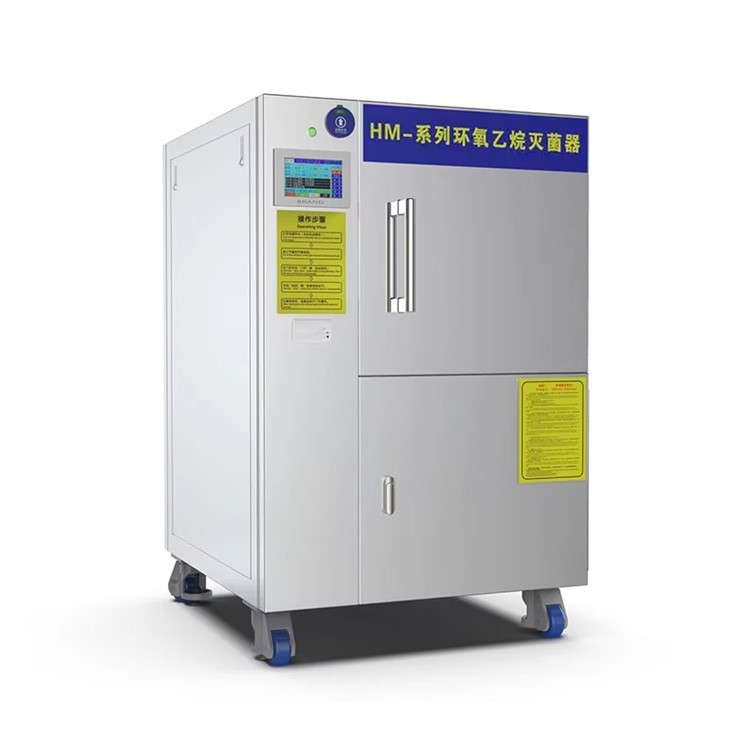
As a supplier of EO Gas Chambers, we understand the importance of proper EO gas storage. Our EO Gas Chambers are designed to work in conjunction with safe EO gas storage practices. We offer a range of Laboratory Medical Sterilization Equipment that are compatible with different storage requirements. Our Laboratory Medical Sterilizers are built to high - quality standards, ensuring efficient and safe sterilization processes. And our Automated EO Sterilizer provides a convenient and reliable solution for large - scale sterilization needs.
If you are in the market for EO Gas Chambers or need advice on EO gas storage, we are here to help. Our team of experts can provide you with detailed information on storage conditions, equipment selection, and regulatory compliance. We are committed to providing you with the best products and services to meet your sterilization needs. Contact us today to start a procurement discussion and find the right solutions for your business.
References
- "Ethylene Oxide: A Review of Its Reactivity, Toxicity, and Uses in Sterilization", Journal of Applied Toxicology.
- Occupational Safety and Health Administration (OSHA) regulations on hazardous materials storage.
- International Organization for Standardization (ISO) standards related to medical device sterilization using EO gas.