

What is the optimal humidity for an EO Gas Chamber?
As a leading supplier of EO Gas Chambers, I've had numerous discussions with customers about the optimal humidity levels for these chambers. Understanding the ideal humidity is crucial for ensuring effective sterilization processes, which is why I'm excited to delve into this topic in today's blog post.
The Role of Humidity in EO Gas Sterilization
Ethylene Oxide (EO) gas sterilization is a widely used method for sterilizing heat - and moisture - sensitive medical devices, pharmaceuticals, and other products. Humidity plays a pivotal role in this process. EO gas acts as a powerful sterilant by alkylating the proteins and nucleic acids of microorganisms, thereby inactivating them. However, for this reaction to occur efficiently, a certain level of moisture is required.
Microorganisms have protective outer layers. Adequate humidity helps to hydrate these layers, making them more permeable to the EO gas. This allows the gas to penetrate the cells more easily and carry out the sterilization process. Without sufficient humidity, the effectiveness of EO gas sterilization can be significantly compromised.
Determining the Optimal Humidity Range
The optimal humidity for an EO Gas Chamber typically falls within the range of 30% - 80% relative humidity (RH). However, the exact level can vary depending on several factors.
Type of Products Being Sterilized
Different products have different moisture requirements for effective sterilization. For example, porous materials such as textiles or certain types of packaging may require higher humidity levels. These materials can absorb moisture, and having a higher humidity in the chamber ensures that there is enough moisture available throughout the product for the EO gas to work effectively. On the other hand, non - porous materials like some plastics may require lower humidity levels, as excessive moisture can cause condensation on the surface, which may lead to product damage or affect the integrity of the packaging.
Microorganisms Targeted
The type of microorganisms you are trying to eliminate also influences the optimal humidity. Some microorganisms are more resistant to EO gas and may require higher humidity levels to enhance the gas's penetration and inactivation ability. For instance, bacterial spores are generally more resistant than vegetative bacteria. To ensure the complete sterilization of products contaminated with spores, a higher humidity within the recommended range may be necessary.
Chamber Design and Operating Conditions
The design of the EO Gas Chamber itself can impact the optimal humidity. Chambers with better air circulation and humidity control systems can maintain a more consistent humidity level, allowing for more precise sterilization processes. Additionally, the temperature in the chamber is closely related to humidity. As temperature changes, the relative humidity can also fluctuate. Therefore, maintaining a stable temperature is essential for controlling the humidity within the desired range.
Benefits of Maintaining Optimal Humidity
Maintaining the optimal humidity in an EO Gas Chamber offers several benefits.
Enhanced Sterilization Efficiency
As mentioned earlier, the right humidity level ensures that the EO gas can penetrate the microorganisms effectively. This leads to a higher kill rate of bacteria, viruses, and spores, reducing the risk of product contamination. By achieving a more efficient sterilization process, you can save time and resources, as there is less need for repeated sterilization cycles.
Product Preservation
Optimal humidity helps to protect the products being sterilized. For moisture - sensitive products, excessive humidity can cause swelling, warping, or degradation. By keeping the humidity within the appropriate range, you can ensure that the physical and chemical properties of the products remain intact, preserving their quality and functionality.
Compliance with Regulations
Many industries, such as the medical and pharmaceutical sectors, are subject to strict regulations regarding sterilization processes. Maintaining the correct humidity in the EO Gas Chamber is often a requirement for compliance with these regulations. Failure to meet the specified humidity levels can result in product recalls, legal issues, and damage to your company's reputation.
Monitoring and Controlling Humidity in an EO Gas Chamber
To ensure that the humidity in the EO Gas Chamber remains within the optimal range, it is essential to have a reliable monitoring and control system.
Humidity Sensors
Installing high - quality humidity sensors in the chamber is the first step. These sensors can accurately measure the relative humidity at different points in the chamber. By continuously monitoring the humidity, you can detect any fluctuations and take corrective actions promptly.
Humidification and Dehumidification Systems
EO Gas Chambers should be equipped with humidification and dehumidification systems. Humidifiers can be used to increase the humidity when it falls below the desired level, while dehumidifiers can reduce the humidity if it becomes too high. These systems should be able to respond quickly to changes in humidity to maintain a stable environment.
Regular Calibration and Maintenance
It is crucial to regularly calibrate the humidity sensors and maintain the humidification and dehumidification systems. Calibration ensures that the sensors provide accurate readings, while proper maintenance of the systems ensures their reliable operation. This helps to prevent any potential issues that could affect the humidity control in the chamber.
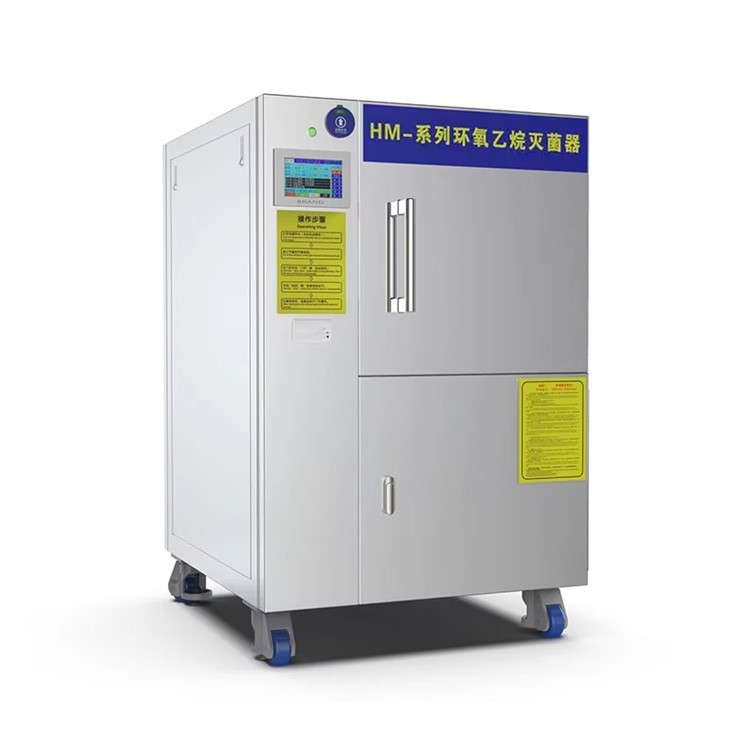

Our Solutions as an EO Gas Chamber Supplier
At our company, we understand the importance of humidity control in EO Gas Chambers. That's why our EO Gas Chambers are designed with state - of - the - art humidity monitoring and control systems. Our chambers are equipped with highly accurate humidity sensors that provide real - time data, allowing you to closely monitor the humidity levels.
We also offer advanced humidification and dehumidification systems that can quickly adjust the humidity to the optimal level. Our engineers can work with you to determine the specific humidity requirements based on your products and sterilization processes. Whether you are involved in Et0 Sterilization, Ethylene Oxide Dental Sterilization, or other applications of Ethylene Oxide (EO) Sterilizers, we have the expertise to provide you with the best - suited solutions.
Conclusion
In conclusion, the optimal humidity for an EO Gas Chamber is a critical factor in ensuring effective sterilization. By maintaining the humidity within the range of 30% - 80% relative humidity, taking into account the type of products, targeted microorganisms, and chamber design, you can achieve efficient sterilization, preserve product quality, and comply with industry regulations.
If you are in the market for an EO Gas Chamber or need to upgrade your existing system, we invite you to reach out to us. Our team of experts is ready to assist you in selecting the right chamber and providing you with comprehensive support for your sterilization needs. Contact us today to start a discussion about how we can help you optimize your sterilization processes.
References
- Block, S. S. (2001). Disinfection, Sterilization, and Preservation. Lippincott Williams & Wilkins.
- ANSI/AAMI/ISO 11135:2014. Sterilization of health care products — Ethylene oxide — Requirements for development, validation and routine control of a sterilization process for medical devices.