

What is the optimal temperature for an EO Gas Chamber?
As a provider of EO Gas Chambers, I often encounter inquiries regarding the optimal temperature for these chambers. It's a crucial aspect that significantly impacts the effectiveness of ethylene oxide (EO) sterilization. In this blog, I'll delve into the science behind determining the optimal temperature, its implications, and how it relates to our [real company type]'s EO Gas Chamber solutions.
Understanding EO Sterilization
Ethylene oxide is a highly effective sterilizing agent commonly used in various industries, including healthcare, pharmaceuticals, and dental practices. EO sterilization works by penetrating the cell walls of microorganisms and reacting with their DNA and proteins, thereby preventing their reproduction and ultimately leading to their death. The process is particularly useful for heat - and moisture - sensitive items that cannot be sterilized using traditional methods such as autoclaving.
Factors Influencing the Optimal Temperature
Several factors come into play when determining the optimal temperature for an EO Gas Chamber.
Microbial Resistance
Different microorganisms have varying levels of resistance to EO. For example, bacterial spores are generally more resistant than vegetative bacteria. Higher temperatures can enhance the penetration of EO into the spore coats and increase the reactivity of EO with the spore's biomolecules. Research has shown that as the temperature rises, the sterilization time required to achieve a certain level of microbial kill decreases significantly. For instance, at lower temperatures (around 30°C), it may take several hours to sterilize a load with a high spore count, while at 55 - 60°C, the same level of sterilization can be achieved in a much shorter time.
Material Compatibility
The materials of the items being sterilized also play a crucial role in temperature selection. Some heat - sensitive materials, such as certain plastics, rubber, and electronic components, may degrade or lose their functionality at high temperatures. For example, polycarbonate plastics can become brittle and develop cracks when exposed to temperatures above 50°C for an extended period. Therefore, when sterilizing such heat - sensitive items, a lower temperature (around 30 - 40°C) may be necessary, even though it may require a longer exposure time to EO.

EO Reactivity
The reactivity of EO is directly related to temperature. As the temperature increases, the kinetic energy of EO molecules increases, leading to more frequent and effective collisions with the target microorganisms. This results in a faster rate of sterilization. However, there is a limit to this increase in reactivity. At extremely high temperatures, EO may decompose or react with other substances in the chamber, such as water vapor, which can reduce its sterilizing effectiveness.
Optimal Temperature Ranges
Based on extensive research and industry experience, the optimal temperature range for most EO Gas Chamber applications is between 37°C and 63°C.
Low - Temperature Range (37 - 45°C)
This range is ideal for heat - sensitive materials. In the healthcare industry, it is commonly used for sterilizing items such as catheters, syringes, and some types of medical implants. In the dental field, Ethylene Oxide Dental Sterilization at lower temperatures is suitable for sterilizing dental handpieces, which often contain heat - sensitive internal components. Although the sterilization cycle is longer at these temperatures, it ensures the integrity of the materials being sterilized.
Medium - Temperature Range (45 - 55°C)
This range offers a good balance between sterilization efficiency and material compatibility. It is widely used for a variety of items, including surgical instruments, laboratory equipment, and some pharmaceutical products. The increased temperature allows for a more rapid sterilization process compared to the low - temperature range, while still being safe for many common materials.
High - Temperature Range (55 - 63°C)
The high - temperature range is typically used for items that can withstand higher temperatures, such as glassware, metal instruments, and some heat - resistant plastics. At these temperatures, the sterilization cycle can be completed in a relatively short time, which is beneficial for high - volume sterilization operations. However, careful monitoring of the process is required to ensure that the materials do not suffer from thermal damage.
Our EO Gas Chamber Solutions
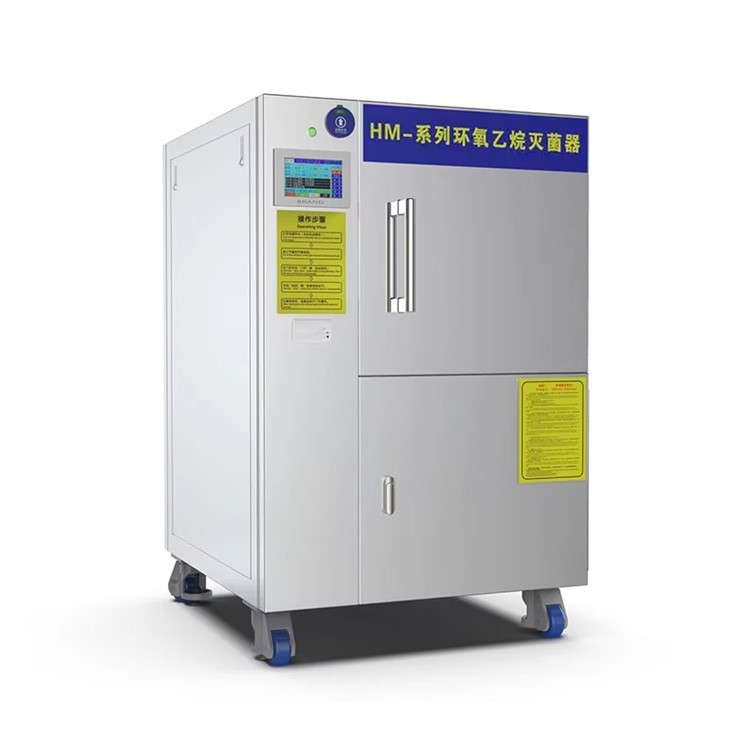
At our company, we offer a range of EO Sterilization Chamber solutions that are designed to provide precise temperature control within the optimal ranges. Our chambers are equipped with advanced temperature sensors and control systems that can maintain a stable temperature throughout the sterilization cycle.
Our EO Sterilizer Equipment is also designed to be user - friendly, with programmable temperature settings that allow operators to select the appropriate temperature based on the materials being sterilized. We understand the importance of meeting the diverse needs of our customers, whether they are sterilizing heat - sensitive medical devices or high - volume industrial products.
Conclusion
Determining the optimal temperature for an EO Gas Chamber is a complex process that requires careful consideration of microbial resistance, material compatibility, and EO reactivity. The optimal temperature range typically falls between 37°C and 63°C, with different sub - ranges being suitable for different applications.
As a leading provider of EO Gas Chambers, we are committed to helping our customers achieve the best sterilization results. Our state - of - the - art equipment and expert support ensure that you can select the right temperature for your specific needs and achieve reliable and efficient sterilization.
If you are interested in learning more about our EO Gas Chamber products or have any questions regarding the optimal temperature for your sterilization applications, please feel free to contact us. We look forward to discussing your requirements and providing you with the best solutions for your business.
References
- Block, S. S. (Ed.). (2001). Disinfection, Sterilization, and Preservation. Lippincott Williams & Wilkins.
- FDA. (2018). Sterilization of Medical Devices. U.S. Food and Drug Administration.
- Rutala, W. A., & Weber, D. J. (2016). Guideline for Disinfection and Sterilization in Healthcare Facilities. American Journal of Infection Control, 44(3), S1 - S46.