

How to ensure the effectiveness of an Industrial Eto Sterilizer?
Ensuring the effectiveness of an industrial Eto (Ethylene Oxide) sterilizer is of utmost importance in various industries, especially in healthcare, pharmaceuticals, and medical device manufacturing. As a supplier of industrial Eto sterilizers, I understand the critical role these machines play in maintaining product safety and quality. In this blog, I will share some key strategies and best practices to ensure the effectiveness of an industrial Eto sterilizer.
Understanding the Basics of Eto Sterilization
Before delving into the strategies for ensuring effectiveness, it's essential to have a solid understanding of how Eto sterilization works. Ethylene oxide is a colorless gas with excellent sterilizing properties. It works by reacting with the proteins and nucleic acids of microorganisms, thereby preventing their growth and reproduction. This makes it highly effective against a wide range of pathogens, including bacteria, viruses, fungi, and spores.
The Eto sterilization process typically involves several stages: pre-conditioning, gas introduction, exposure, and aeration. During pre-conditioning, the items to be sterilized are placed in the sterilization chamber, and the temperature, humidity, and pressure are adjusted to create optimal conditions for sterilization. Once the pre-conditioning is complete, Eto gas is introduced into the chamber, and the items are exposed to the gas for a specific period. After the exposure, the chamber is aerated to remove any residual Eto gas from the items.
Selecting the Right Eto Sterilizer
The first step in ensuring the effectiveness of an industrial Eto sterilizer is to select the right machine for your specific needs. There are several factors to consider when choosing an Eto sterilizer, including the size of the sterilization chamber, the type of items to be sterilized, the throughput requirements, and the regulatory requirements in your industry.
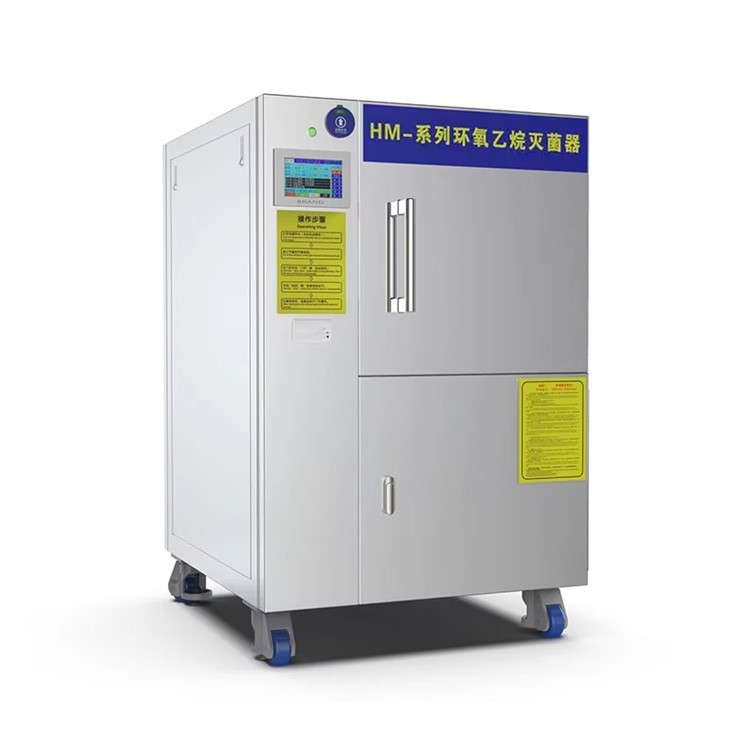
For hospitals and healthcare facilities, a Eto Machine for Hospital is often the best choice. These machines are designed to handle a wide range of medical devices and instruments, and they are equipped with advanced features to ensure reliable and consistent sterilization. In addition, they are typically compliant with strict regulatory standards, such as those set by the Food and Drug Administration (FDA) and the European Union (EU).
For pharmaceutical and medical device manufacturing companies, a larger and more advanced Ethylene Oxide Sterilizer may be required. These machines are capable of handling large volumes of products and are often integrated into the production line to ensure continuous and efficient sterilization. They may also be equipped with additional features, such as automated loading and unloading systems, advanced monitoring and control systems, and remote access capabilities.
Proper Installation and Commissioning
Once you have selected the right Eto sterilizer for your needs, it's crucial to ensure that it is installed and commissioned correctly. Improper installation can lead to a variety of problems, including leaks, inefficient operation, and inaccurate sterilization results. Therefore, it's recommended to have the sterilizer installed by a qualified technician who has experience working with Eto sterilizers.
During the installation process, the technician will ensure that the sterilizer is properly connected to the gas supply, electrical supply, and ventilation system. They will also perform a series of tests and checks to ensure that the machine is operating correctly and that all safety features are functioning properly. Once the installation is complete, the technician will commission the sterilizer by running a series of validation cycles to confirm that it is capable of achieving the desired sterilization results.
Regular Maintenance and Calibration
Regular maintenance and calibration are essential for ensuring the long-term effectiveness and reliability of an industrial Eto sterilizer. Over time, the components of the sterilizer may wear out or become damaged, which can affect its performance. Therefore, it's important to follow the manufacturer's recommended maintenance schedule and perform regular inspections, cleaning, and replacement of worn or damaged parts.
In addition to regular maintenance, it's also important to calibrate the sterilizer on a regular basis to ensure that it is operating accurately. Calibration involves comparing the readings of the sterilizer's sensors and controls to known standards to ensure that they are within the acceptable range. This helps to ensure that the sterilizer is delivering the correct amount of Eto gas, maintaining the correct temperature and humidity levels, and achieving the desired sterilization results.
Monitoring and Validation
Monitoring and validation are critical steps in ensuring the effectiveness of an industrial Eto sterilizer. Monitoring involves continuously measuring and recording the key parameters of the sterilization process, such as temperature, humidity, pressure, and Eto gas concentration. This helps to ensure that the process is operating within the specified limits and that the sterilization results are consistent and reliable.
Validation involves performing a series of tests and studies to confirm that the sterilization process is capable of achieving the desired level of sterilization. This typically includes the use of biological indicators (BIs) and chemical indicators (CIs) to monitor the effectiveness of the sterilization process. BIs are live microorganisms that are used to test the lethality of the sterilization process, while CIs are chemical compounds that change color in response to the presence of Eto gas.
Training and Education
Proper training and education are essential for ensuring that the operators of an industrial Eto sterilizer are able to use the machine safely and effectively. Operators should receive comprehensive training on the operation, maintenance, and safety procedures of the sterilizer, as well as on the principles of Eto sterilization and the regulatory requirements in their industry.
In addition to initial training, operators should also receive regular refresher training to ensure that they are up-to-date on the latest best practices and regulatory requirements. This helps to ensure that the sterilizer is being used correctly and that the sterilization results are consistent and reliable.
Regulatory Compliance
Compliance with regulatory requirements is a critical aspect of ensuring the effectiveness of an industrial Eto sterilizer. In many industries, such as healthcare, pharmaceuticals, and medical device manufacturing, there are strict regulations governing the use of Eto sterilization. These regulations typically cover areas such as equipment design, installation, operation, maintenance, and validation.
It's important to stay up-to-date on the latest regulatory requirements in your industry and to ensure that your Eto sterilizer is compliant with all applicable regulations. This may involve obtaining the necessary certifications and approvals, such as FDA clearance or CE marking, and following the guidelines and recommendations of regulatory agencies.

Conclusion
Ensuring the effectiveness of an industrial Eto sterilizer requires a comprehensive approach that includes selecting the right machine, proper installation and commissioning, regular maintenance and calibration, monitoring and validation, training and education, and regulatory compliance. By following these best practices, you can ensure that your Eto sterilizer is operating safely and effectively, and that it is capable of achieving the desired sterilization results.
If you are interested in learning more about our industrial Eto sterilizers or would like to discuss your specific needs, please feel free to contact us. Our team of experts is available to provide you with more information and to assist you in selecting the right sterilizer for your application.
References
- ANSI/AAMI/ISO 11135:2014, Sterilization of health care products - Ethylene oxide - Requirements for development, validation and routine control of a sterilization process for medical devices.
- FDA, Guidance for Industry and FDA Staff: Sterilization of Medical Devices in the Manufacture of Commercial Distribution.
- European Pharmacopoeia, Chapter 5.1.1, Sterilization methods.