

What is the principle behind Eo Device Sterilization?
Hey there! As a supplier of Eo Device Sterilization, I often get asked about the principle behind it. So, I thought I'd take a moment to break it down for you in a way that's easy to understand.
First off, let's talk about why Eo (ethylene oxide) is used for sterilization. Eo is a colorless gas that's highly effective at killing a wide range of microorganisms, including bacteria, viruses, fungi, and spores. It's especially useful for sterilizing heat - and moisture - sensitive medical devices, as it can work at relatively low temperatures.
The basic principle behind Eo device sterilization is pretty straightforward, but there are a few key steps involved.
Pre - conditioning
Before the actual sterilization process begins, the devices to be sterilized are pre - conditioned. This step is crucial because it helps to ensure that the Eo gas can penetrate the items evenly. During pre - conditioning, the temperature and humidity in the EO Sterilizer Chamber are carefully controlled. Usually, the humidity is increased to a certain level, around 30 - 80% relative humidity. Why humidity? Well, moisture helps to make the microorganisms more susceptible to the Eo gas. And the temperature is typically set between 25°C and 60°C, depending on the type of devices being sterilized.
Eo Gas Introduction
Once the pre - conditioning is done, it's time to introduce the Eo gas into the sterilization chamber. The Eto Sterilizer Machine is responsible for precisely metering and delivering the right amount of Eo gas. The concentration of Eo gas in the chamber is an important factor. It usually ranges from 200 to 800 mg/L. The higher the concentration, the faster the sterilization process, but there are also safety and regulatory limits to consider.
The Eo gas then starts to diffuse through the chamber and penetrate the packaging and the devices themselves. It can get into small crevices and pores, reaching all the areas where microorganisms might be hiding.
Reaction with Microorganisms
So, how does Eo actually kill the microorganisms? Eo works by a process called alkylation. In simple terms, it reacts with the nucleic acids (like DNA and RNA) and proteins in the microorganisms. When Eo molecules come into contact with these vital components of the microorganisms, they add an alkyl group to them. This alkylation disrupts the normal structure and function of the nucleic acids and proteins.
For example, in the case of DNA, the alkylation can prevent it from replicating properly. Without the ability to replicate, the microorganisms can't grow and multiply, and eventually, they die. This is a very effective way of eliminating a wide variety of harmful organisms.
Aeration
After the sterilization cycle is complete, the devices are not ready to be used right away. That's because there's still some residual Eo gas on the devices, and Eo is a toxic and potentially carcinogenic substance. So, the next step is aeration. During aeration, the devices are placed in an aeration chamber, and fresh air is circulated through it to remove the residual Eo. This process can take several hours to days, depending on the type of devices, the amount of Eo used during sterilization, and the aeration conditions.
Quality Control
Throughout the entire Eo device sterilization process, strict quality control measures are in place. We use biological indicators (BIs) and chemical indicators (CIs) to ensure that the sterilization is effective. BIs are usually strips or vials containing a known number of highly resistant spores. After the sterilization cycle, these BIs are incubated to see if any of the spores have survived. If no spores grow, it means the sterilization was successful.
CIs, on the other hand, change color when they're exposed to Eo gas under certain conditions. They give us a quick visual indication of whether the Eo gas has reached the devices and if the sterilization process has likely occurred.
Safety Considerations
Safety is a top priority when it comes to Eo device sterilization. Eo is a flammable and toxic gas, so proper handling and storage are essential. The Ethylene Oxide Gas Sterilization Equipment is designed with multiple safety features, such as gas leak detectors and ventilation systems. Operators are trained to follow strict safety protocols to prevent any accidents or exposure to the gas.
In addition, there are strict environmental regulations regarding the emission of Eo gas. Our equipment is designed to minimize the release of Eo into the environment, and we make sure to comply with all the relevant laws and standards.

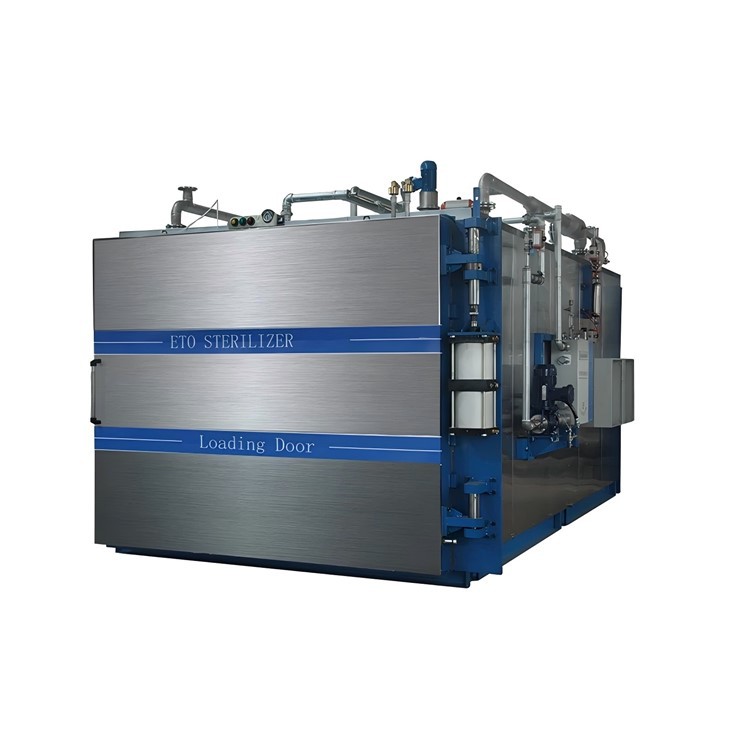
Advantages of Eo Device Sterilization
There are several advantages to using Eo for device sterilization. As I mentioned earlier, it's great for heat - and moisture - sensitive devices. Many medical devices, such as catheters, syringes, and electronic components, can't withstand high - temperature steam sterilization. Eo allows us to sterilize these devices without damaging them.
It also has a high penetration ability. Eo gas can reach areas that might be difficult to access with other sterilization methods, ensuring a thorough and reliable sterilization.
Disadvantages and Alternatives
However, Eo device sterilization isn't without its drawbacks. The long cycle time, especially the aeration step, can be a significant disadvantage. It means that there's a delay between when the devices are sterilized and when they can be used.
There are also concerns about the environmental impact and the potential health risks associated with Eo. Some alternative sterilization methods have been developed, such as hydrogen peroxide gas plasma sterilization and gamma irradiation. But each of these alternatives also has its own limitations, and Eo is still widely used in many industries, especially in the medical device field.
Conclusion
In conclusion, the principle behind Eo device sterilization is based on the ability of Eo gas to penetrate devices, react with and kill microorganisms through alkylation, and then be removed through aeration. It's a complex but effective process that requires careful control and monitoring.
If you're in the market for reliable Eo device sterilization solutions, we're here to help. Whether you're a medical device manufacturer, a hospital, or any other organization that needs high - quality sterilization, we can provide you with the right equipment and support. Contact us to start a discussion about your specific needs and how we can meet them.
References
- Block, S. S. (2001). Disinfection, Sterilization, and Preservation. Lippincott Williams & Wilkins.
- Rutala, W. A., & Weber, D. J. (2019). Guideline for Disinfection and Sterilization in Healthcare Facilities. American Journal of Infection Control.