

How Does an Ethylene Oxide Sterilizer Work? Complete Process Explanation
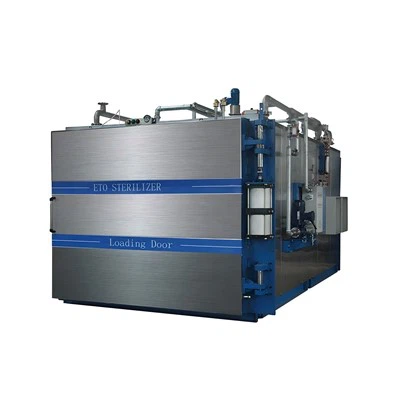
Sterilization technology is one of the most important foundations of modern healthcare manufacturing. From disposable syringes and surgical kits to pharmaceutical packaging and advanced medical electronics, sterile processing ensures products are safe before reaching patients and healthcare professionals.
Among all low-temperature sterilization technologies, the ethylene oxide sterilizer remains one of the most widely used systems for processing heat-sensitive and complex medical products. Its ability to sterilize delicate materials without damaging them has made it an essential solution for medical device manufacturers worldwide.
But how exactly does an ethylene oxide sterilizer work? What happens inside the chamber during the sterilization cycle? And why is this process still preferred for many healthcare applications today?
About Our company
Hangzhou Riches Engineering Co., Ltd., also known as Riches, is a professional manufacturer specializing in EO sterilization engineering systems and industrial sterilization solutions.
Through its official website, Riches EO Sterilization Systems, the company provides customized EO sterilization equipment for medical device manufacturers, pharmaceutical companies, and healthcare production facilities worldwide.
Riches Provides:
- EO sterilizer design and manufacturing
- Customized chamber engineering
- Automatic sterilization control systems
- Technical installation support
- Sterilization engineering consultation
- Turnkey sterilization solutions
With extensive experience in low-temperature sterilization technology, Riches supports customers seeking safe, efficient, and scalable sterilization systems for modern healthcare manufacturing.
What Is an Ethylene Oxide Sterilizer?
An ethylene oxide sterilizer is a specialized industrial system designed to eliminate microorganisms using ethylene oxide gas under carefully controlled conditions.
The process destroys:
- Bacteria
- Viruses
- Fungi
- Spores
- Other microbial contaminants
Unlike high-temperature sterilization technologies, EO sterilization operates at relatively low temperatures, making it suitable for products that cannot tolerate excessive heat or moisture.
EO sterilizers are commonly used for:
- Disposable medical devices
- Pharmaceutical packaging
- Plastic surgical products
- Diagnostic kits
- Catheters and tubing
- Electronic healthcare devices
Because EO gas can penetrate packaging and narrow product structures, it is highly effective for sterilizing complex devices.
Why Ethylene Oxide Gas Is Effective
Ethylene oxide is highly reactive at the molecular level. During sterilization, the gas interacts with microbial DNA and proteins, interrupting normal cellular activity and preventing microorganisms from reproducing.
This mechanism allows EO sterilization to achieve high sterilization efficiency even in products with:
- Dense packaging
- Multi-layer materials
- Small internal channels
- Long lumens
- Irregular geometries
Unlike surface-only sterilization methods, EO gas can reach hidden areas that are difficult to sterilize using conventional heat-based systems.
Main Components of an Ethylene Oxide Sterilizer
Modern sterilization systems consist of multiple integrated components designed to maintain safety, process stability, and sterilization efficiency.
- Sterilization Chamber
The chamber is the core processing area where products are exposed to EO gas. Chambers are usually constructed from stainless steel and designed to withstand vacuum and pressure cycles.
Chamber sizes vary depending on production capacity requirements.
- Vacuum System
The vacuum system removes air from the chamber before gas injection. This step improves gas penetration and ensures even distribution throughout the product load.
- Humidification System
Humidity is an important factor in EO sterilization performance. Controlled moisture levels help improve microbial inactivation efficiency.
The humidification system regulates chamber humidity before gas exposure begins.
- Gas Injection System
This system introduces ethylene oxide gas into the chamber under controlled pressure conditions.
Modern equipment uses automated controls to precisely regulate gas concentration.
- Temperature Control System
EO sterilization effectiveness depends heavily on stable temperatures. Heating systems maintain the required sterilization temperature throughout the cycle.
- Aeration System
After sterilization, products must undergo aeration to remove residual EO gas from product surfaces and packaging materials.
Proper aeration ensures product safety before shipment or clinical use.
Step-by-Step EO Sterilization Process
The EO sterilization cycle consists of several carefully controlled stages.
1. Product Loading
Products are loaded into the sterilization chamber according to validated load configurations.
Operators must ensure:
- Proper spacing between products
- Adequate gas circulation
- Correct packaging orientation
- Controlled load density
Improper loading can reduce sterilization effectiveness.
2. Preconditioning
Before gas exposure begins, products undergo preconditioning.
This stage stabilizes:
- Temperature
- Humidity
- Product moisture content
Preconditioning is extremely important because microorganisms become more susceptible to EO gas under controlled humidity conditions.
For many healthcare products, this stage improves overall sterilization consistency.
3. Vacuum Creation
The chamber vacuum system removes ambient air from the chamber.
Why is this necessary?
Because trapped air may interfere with gas penetration. Vacuum creation allows EO gas to spread more evenly throughout the sterilization load.
Multiple vacuum pulses may be used depending on the product type.
4. EO Gas Injection
Once the chamber environment is properly prepared, ethylene oxide gas is injected into the chamber.
The sterilizer control system regulates:
- Gas concentration
- Chamber pressure
- Temperature
- Exposure duration
These parameters are carefully validated to achieve effective microbial elimination.
5. Gas Exposure Hold Time
During this phase, products remain exposed to EO gas for a specified period.
This is the core sterilization stage.
The gas penetrates:
- Packaging materials
- Device surfaces
- Internal channels
- Complex assemblies
Exposure duration varies depending on:
- Product material
- Packaging design
- Load size
- Sterility requirements
Longer exposure times may be required for complex products.
6. Chamber Evacuation
After sterilization exposure is complete, EO gas must be safely removed from the chamber.
The sterilizer performs multiple vacuum and air-wash cycles to reduce gas concentration.
This step improves operational safety and prepares products for aeration.
7. Aeration Process
Aeration is one of the most important stages of EO sterilization.
During aeration:
- Residual EO gas dissipates from products
- Gas trapped in packaging materials is removed
- Product safety levels are achieved
Aeration may occur:
- Inside the sterilizer chamber
- In a dedicated aeration room
- In external aeration systems
The required aeration time depends on:
- Product material composition
- Packaging structure
- Product density
Heat-sensitive plastics often require carefully controlled aeration conditions.
Key Factors Affecting EO Sterilization Performance
Several parameters influence sterilization effectiveness.
Temperature
Higher temperatures generally improve sterilization efficiency, but excessive heat may damage sensitive products.
Most EO cycles operate at moderate temperatures.
Humidity
Humidity plays a critical role in microbial destruction.
Insufficient moisture can reduce EO effectiveness.
Gas Concentration
Higher EO concentration may shorten sterilization time, but safety regulations require careful control.
Exposure Time
Products must remain exposed long enough to achieve validated sterility assurance levels.
Product Packaging
Packaging materials must allow EO gas penetration while maintaining sterile barrier performance after processing.
Why EO Sterilization Is Ideal for Complex Medical Devices
Medical devices today are more advanced than ever before.
Many products now include:
- Flexible plastics
- Electronic components
- Adhesive seals
- Multi-material assemblies
- Narrow tubing systems
Traditional high-temperature sterilization methods may damage these components.
EO sterilization provides major advantages because it:
- Operates at lower temperatures
- Penetrates sealed packaging
- Reaches difficult internal structures
- Protects delicate materials
For this reason, many disposable healthcare products continue relying on EO processing.
Industries That Use Ethylene Oxide Sterilizers
EO sterilization technology is used across multiple industrial sectors.
Medical Device Manufacturing
The largest application area for EO sterilizers.
Products include:
- Syringes
- Catheters
- IV sets
- Surgical kits
- Diagnostic devices
Pharmaceutical Packaging
EO sterilization helps process packaging materials without heat damage.
Biotechnology Laboratories
Laboratory consumables often require sterile processing while maintaining material integrity.
Healthcare Product Manufacturing
Disposable healthcare products rely heavily on low-temperature sterilization methods.
Modern Automation in EO Sterilization Systems
Modern sterilizers are becoming increasingly intelligent and automated.
Advanced systems may include:
- PLC control systems
- Real-time process monitoring
- Automated reporting
- Remote diagnostics
- Data logging systems
- Digital alarm systems
Automation improves:
- Process consistency
- Regulatory compliance
- Production efficiency
- Operational safety
Environmental and Safety Improvements
Modern EO sterilization systems are designed with strong environmental protection measures.
Advanced systems include:
- Gas recovery technology
- Emission treatment systems
- Leak monitoring sensors
- Automatic shutdown protection
- Ventilation control systems
Manufacturers continue improving EO technology to meet increasingly strict environmental regulations while maintaining sterilization performance.
FAQ
Upgrade Your Sterilization Process with Riches
Hangzhou Riches Engineering Co., Ltd. provides customized EO sterilizer systems for medical devices, pharmaceutical packaging, and heat-sensitive healthcare products. From chamber engineering to automation integration, our team delivers reliable sterilization solutions tailored to modern manufacturing requirements.
Send Inquiry & Get Expert Support
