

EO Residual Control In Medical Device Sterilization
Table of Contents
- What Is EO Residual?
- Why EO Residual Control Is Important
- Factors Affecting EO Residual Levels
- EO Aeration and Residual Reduction Methods
- EO Residual Compliance Requirements
- How Riches Supports EO Residual Control Projects
What Is EO Residual?
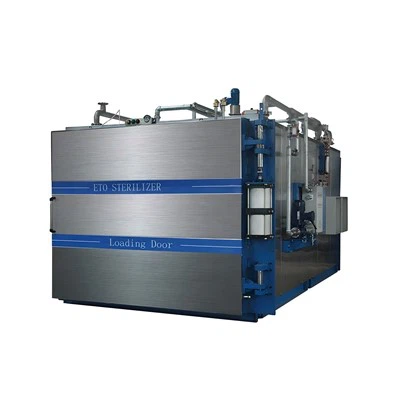
Ethylene oxide (EO) sterilization is one of the most widely used low-temperature sterilization methods for medical devices. It is particularly suitable for heat-sensitive products such as catheters, syringes, surgical kits, implant packaging, and electronic medical components.
After sterilization, small amounts of EO gas and its reaction byproducts may remain inside products and packaging materials. These substances are commonly referred to as EO residuals and may include Ethylene Oxide (EO), Ethylene Chlorohydrin (ECH), and Ethylene Glycol (EG).
Because residual compounds can remain trapped in polymers, foams, long lumens, and multilayer packaging structures, residual control becomes an important part of the overall sterilization process.
Why EO Residual Control Is Important
The objective of EO sterilization is not only to achieve microbial inactivation but also to ensure that residual levels are reduced to acceptable limits before products are released for clinical use. Residual control helps manufacturers:
Biocompatibility: Meet ISO10993 biocompatibility requirements
Risk Reduction: Reduce product release risks
Consistency: Improve process consistency
Compliance: Support validation and regulatory compliance
Throughput: Optimize production throughput
For many medical device manufacturers, EO residual management is considered as important as the sterilization cycle itself.
Factors Affecting EO Residual Levels
Several variables influence how much EO remains inside a product after sterilization.
Material Composition: Polymeric materials such as PVC, polyurethane, and foam structures tend to absorb more EO gas than metal or glass components.
Product Geometry: Products with long lumens, narrow channels, or complex internal structures often require longer aeration times.
Packaging Design: Multilayer packaging systems can slow the diffusion of residual EO during aeration.
Sterilization Parameters: EO concentration, temperature, humidity, vacuum level, and exposure time all affect EO absorption and desorption behavior.

EO Aeration and Residual Reduction Methods
The primary method used to reduce EO residuals is controlled aeration.
Typical aeration systems include:
- Chamber aeration
- Independent aeration rooms
- Forced hot-air circulation systems
- Negative pressure ventilation systems
Key aeration parameters include:
- Temperature: 35°C–60°C
- Air circulation rate
- Ventilation efficiency
- Aeration duration
Depending on product materials and packaging structures, aeration times may range from several hours to several days.
EO Residual Compliance Requirements
Medical device manufacturers commonly evaluate EO residual levels according to ISO10993-7 requirements. Testing may include measurements of:
Residual testing is often integrated into process validation programs to verify that sterilized products meet applicable safety requirements before market release.
How Riches Supports EO Residual Control Projects
Riches designs EO sterilization systems with integrated residual management considerations. Engineering solutions can include independent aeration rooms, airflow optimization, EO exhaust treatment systems, temperature-controlled aeration environments, and PLC-based process monitoring.
For manufacturers processing catheters, disposable medical products, implant packaging, and other EO-sensitive devices, Riches provides customized sterilization system configurations based on product characteristics, production volume, and facility requirements.
By combining sterilization process engineering, aeration system design, and exhaust treatment integration, Riches helps customers improve EO residual control efficiency while supporting validation and regulatory compliance objectives.


