

EO Sterilizer For Medical Masks: 13 Key Factors Manufacturers Should Consider Before Purchase
At Riches, we evaluate the customer's actual mask specifications and production requirements before determining the equipment configuration and sterilization process.
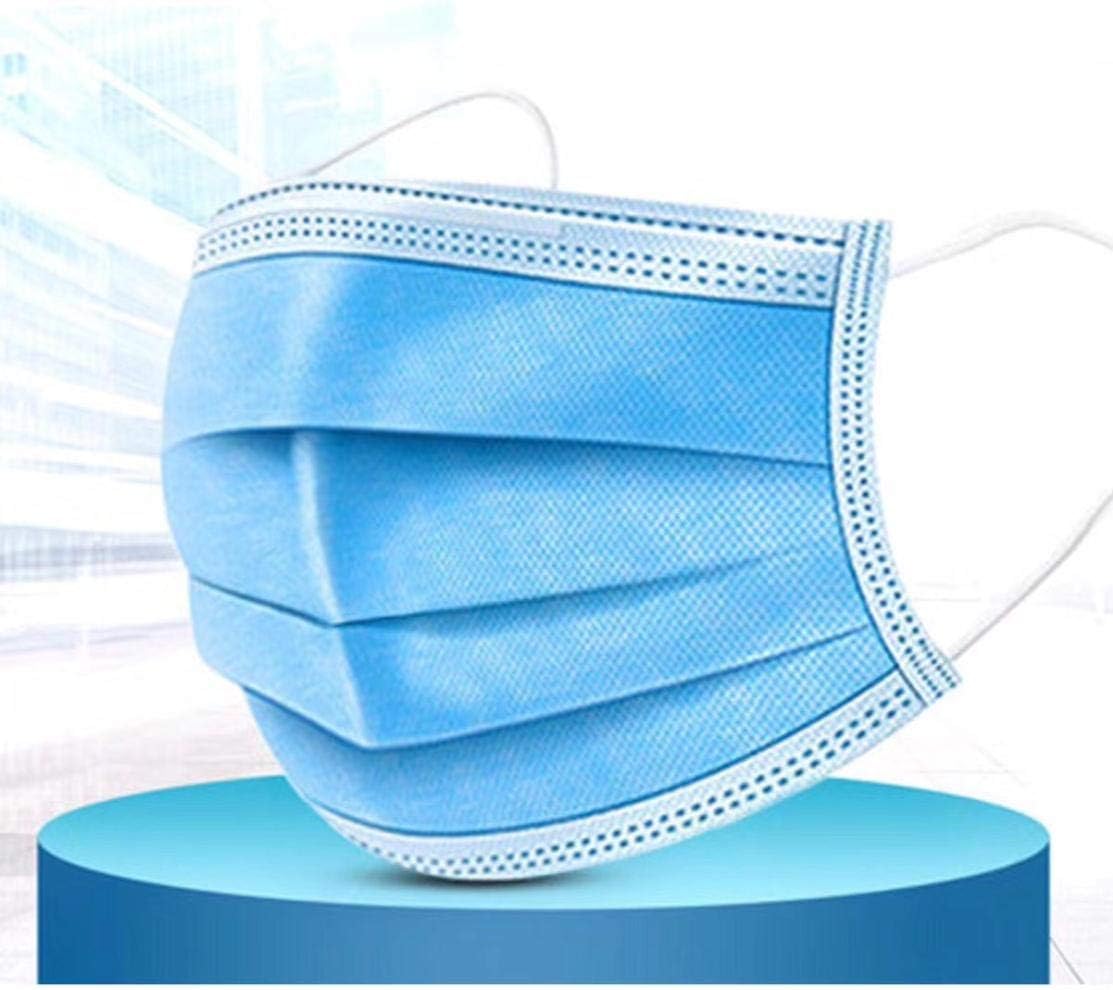
Product Materials
The first question we consider is whether the mask materials are suitable for EO sterilization.
A medical mask may contain PP nonwoven fabric, melt-blown filtration material, nose wires, ear loops, adhesives, and other components. We need to understand how these materials respond to EO exposure, temperature, humidity, and aeration.
We therefore do not recommend a sterilization cycle based only on the product name. We evaluate the complete material structure and identify potential effects on the mask's physical and functional properties.
Packaging
Packaging directly affects EO penetration and aeration.
We need to know whether the masks are individually packaged, packed in multiple units, or placed in cartons before sterilization. We also evaluate the packaging material, package dimensions, sealing method, and product-to-package ratio.
The packaging configuration must allow the sterilant to reach the required surfaces while also allowing residual EO to be removed during aeration.
Chamber Size
We determine chamber size according to the actual usable working volume, rather than simply selecting the largest available chamber.
Our calculation considers product quantity, package dimensions, loading configuration, product spacing, batch quantity, cycle time, and required daily output.
The objective is to achieve a practical balance between chamber utilization and production efficiency.
Batch Capacity
For a mask factory, chamber volume needs to be converted into actual production capacity.
We work backward from:
Daily Production → Batch Quantity → Loading Configuration → Cycle Time → Required Chamber Capacity
A larger chamber does not automatically mean higher production efficiency. If the loading arrangement is inefficient or the cycle is too long, the additional volume may not provide the expected throughput.
Sterilization Cycle
An EO sterilization cycle may include:
Preconditioning → Vacuum → Humidification → EO Injection → Exposure → Evacuation → Aeration
We determine the process based on the actual product and validated load configuration.
For masks, the objective is not simply to shorten the cycle. We need to establish conditions that provide the required sterilization performance while maintaining product properties and allowing appropriate residual control.
Process Parameters
We control multiple parameters rather than relying on EO concentration alone.
These include temperature, relative humidity, vacuum/pressure, EO concentration, exposure time, and aeration conditions.
The interaction between these parameters is important. Product quantity, packaging, and loading density can affect gas distribution and process consistency.
Our engineering approach is therefore based on developing and validating the process for the actual customer load.
Product Performance
For medical masks, sterilization should not be evaluated separately from product performance.
We recommend checking relevant properties before and after the sterilization process, such as filtration performance, breathing resistance, material condition, ear-loop integrity, nose-wire condition, and packaging integrity, according to the customer's applicable product requirements.
The purpose is to confirm that the sterilization process does not introduce unacceptable changes to the finished product.
EO/ECH Residuals
Sterilization is not complete when the exposure stage ends.
After EO exposure, the products require an appropriate aeration process to reduce residual EO and ECH to the required levels.
We consider product materials, packaging, loading quantity, temperature, air exchange, and aeration conditions when developing the process. Final residual requirements and testing should be established according to applicable standards and regulatory requirements.
Exhaust Treatment
EO exhaust needs to be managed as part of the complete system.
We consider chamber exhaust, aeration exhaust, EO leakage monitoring, safety alarms, safety interlocks, ventilation, and exhaust treatment during system design.
This allows the sterilization equipment to be evaluated not only from the perspective of sterilization performance, but also from the perspectives of operator safety, environmental control, and facility operation.
Recipe Management
If a manufacturer produces different mask models, package sizes, or loading configurations, one fixed recipe may not be sufficient.
We can design the control system around different sterilization recipes and validated process configurations, allowing operators to select the appropriate recipe for the corresponding production condition.
Process records can also support batch traceability and routine process management.
Process Validation
For medical device manufacturers, equipment qualification and sterilization process validation are essential parts of the project.
We can provide engineering support around IQ, OQ, PQ, and routine process control.
The validation process needs to demonstrate that the equipment and sterilization process can consistently achieve the defined requirements under the specified loading conditions.
Important process data such as temperature, humidity, pressure, EO concentration, and exposure time should be monitored and recorded for traceability.
Facility Requirements
Before manufacturing and installation, we evaluate the customer's facility conditions.
These may include equipment footprint, loading and unloading space, maintenance clearance, electrical supply, compressed air, vacuum, ventilation, EO supply, exhaust treatment, and safety monitoring.
A chamber may physically fit into a factory while the complete installation still lacks sufficient utility or maintenance space. We therefore recommend confirming these conditions during the engineering stage.
Operating Costs
We also encourage manufacturers to evaluate the operating cost rather than comparing equipment prices alone.
The actual cost per batch may involve:
EO Consumption + Electricity + Vacuum + Humidification + Aeration + Exhaust Treatment + Maintenance
For high-volume mask production, we compare equipment investment, cost per batch, daily throughput, cycle time, and maintenance requirements to evaluate the long-term economics of the system.
Clear Mask Buyer Checklist
Before requesting a quotation for an EO sterilization system, we recommend that medical mask manufacturers prepare the following information and confirm each item with the equipment supplier.
☐ Mask type and intended application
☐ Product dimensions and weight
☐ PP nonwoven and melt-blown material specifications
☐ Nose wire and ear-loop materials
☐ Adhesives, coatings, or other special materials
☐ Target sterilization requirements
☐ Individual packaging or bulk packaging
☐ Primary packaging material
☐ Carton dimensions and quantity per carton
☐ Packaging configuration during sterilization
☐ Maximum and minimum loading conditions
☐ Required batch quantity
☐ Daily production volume
☐ Target number of batches per day
☐ Recommended chamber working volume
☐ Expected cycle time
☐ Temperature range
☐ Relative humidity
☐ Vacuum/pressure conditions
☐ EO concentration
☐ Exposure time
☐ Aeration conditions
☐ Process monitoring and data recording
☐ EO residual requirements
☐ ECH residual requirements
☐ Aeration strategy
☐ Pre- and post-sterilization product testing
☐ Packaging integrity after sterilization
☐ EO leakage monitoring
☐ Chamber and aeration exhaust
☐ Exhaust treatment
☐ Safety alarms and interlocks
☐ Ventilation requirements
☐ Electrical and utility requirements
☐ Installation and maintenance space
☐ IQ/OQ/PQ support
☐ Process validation support
☐ Recipe management
☐ Batch traceability
☐ EO consumption per batch
☐ Energy consumption
☐ Maintenance requirements
If a supplier can answer these questions with product-specific engineering data rather than general equipment specifications, you have a much better basis for comparing EO sterilization systems.
Riches EO Sterilization Solution for Medical Masks
At Riches, we approach an EO sterilization project as an integrated engineering process, not simply as the supply of a standard sterilization cabinet.
Based on the customer's mask materials, packaging configuration, production capacity, loading method, facility conditions, and sterilization requirements, we can evaluate the required chamber size, loading configuration, process parameters, aeration process, exhaust treatment, control system, and validation requirements.
The final objective is to establish an EO sterilization system that connects product requirements, production capacity, sterilization performance, residual control, safety, and operating costs into one practical manufacturing process.


