

Can Eto sterilization be used for textile products?
Can Eto sterilization be used for textile products?
Hey there! I'm a supplier of Eto (Ethylene Oxide) sterilization services, and I often get asked if Eto sterilization can be used for textile products. Well, let's dive right into it and find out.
First off, what is Eto sterilization? Eto sterilization is a widely used method in the medical and healthcare industries to kill microorganisms on various products. It works by exposing the items to ethylene oxide gas in a sealed chamber, EO Sterilizer Chamber. This gas penetrates the materials and destroys bacteria, viruses, fungi, and other harmful pathogens.
Now, let's talk about textiles. Textiles are made from a variety of fibers, such as cotton, wool, silk, and synthetic materials. These fibers have different properties, and some may be more sensitive to the effects of Eto gas than others.
One of the main advantages of using Eto sterilization for textiles is its effectiveness. Eto gas can reach every nook and cranny of the textile, ensuring thorough sterilization. This is especially important for medical textiles, like surgical gowns, drapes, and bandages, which need to be free from any harmful microorganisms to prevent infections.
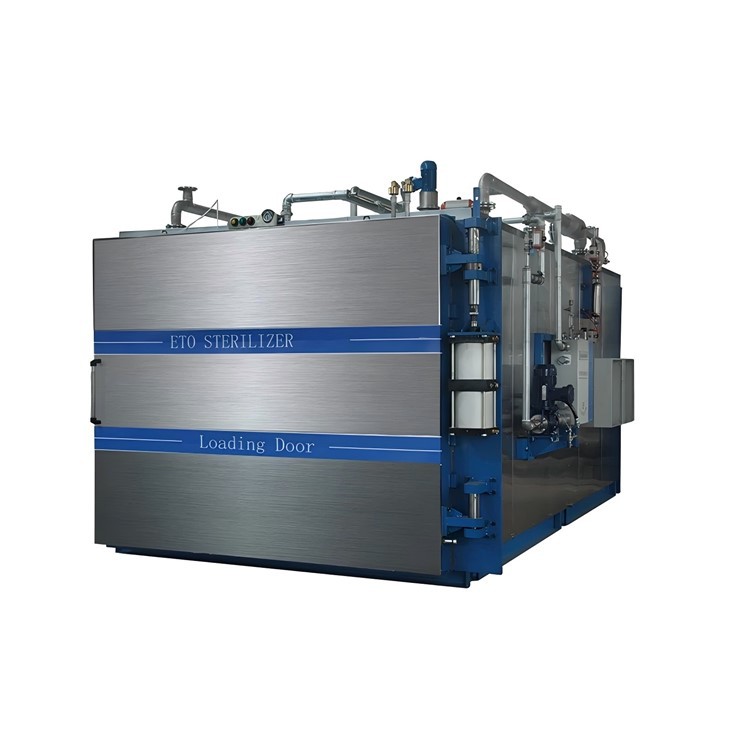

Another benefit is that Eto sterilization is a low-temperature process. Unlike some other sterilization methods, such as autoclaving, which uses high heat and steam, Eto sterilization won't damage delicate textile fibers. This means that even textiles made from heat-sensitive materials can be safely sterilized without losing their quality or integrity.
However, there are also some considerations when using Eto sterilization for textiles. One issue is the potential for residual Eto gas to remain in the fabric after sterilization. Ethylene oxide is a toxic gas, and exposure to high levels of it can be harmful to human health. To address this, strict regulations and guidelines are in place to ensure that the residual Eto levels in sterilized products are within safe limits. After sterilization, the textiles usually go through a degassing process to remove any remaining Eto gas.
The compatibility of the textile with the Eto sterilization process also depends on its construction and finishing. Some textiles may have coatings, dyes, or treatments that could react with the Eto gas. For example, certain dyes may fade or change color, and some coatings may become brittle or lose their functionality. Before sterilizing a textile product, it's important to test a sample to make sure that it can withstand the Eto process without any negative effects.
When it comes to large - scale textile sterilization, Large - Scale EO Sterilization is a viable option. Our company has the expertise and equipment to handle large volumes of textile products efficiently. We can customize the sterilization process according to the specific requirements of the textiles, ensuring optimal results.
If you're in the textile industry, whether it's for medical, hospitality, or other applications, and you're looking for a reliable sterilization solution, Eto sterilization could be the answer. Our Ethylene Oxide (EO) Sterilizers are state - of the - art, and our team of experts is always on hand to provide guidance and support.
We understand that every textile product is unique, and we'll work closely with you to develop a sterilization plan that meets your needs. Whether you have a small batch of specialty textiles or a large - scale production run, we've got you covered.
So, if you're interested in learning more about how Eto sterilization can benefit your textile products, or if you want to discuss a potential partnership, don't hesitate to reach out. We're eager to start a conversation and see how we can help you take your textile products to the next level in terms of safety and quality.
In conclusion, Eto sterilization can be used for textile products, but it's important to consider the specific characteristics of the textiles and follow proper procedures to ensure safety and effectiveness. With the right approach, Eto sterilization can be a great way to keep your textile products clean, safe, and ready for use.
References
- Guidelines on Ethylene Oxide Sterilization in the Medical Device Industry. Medical Device Regulation Authority.
- Textile Chemistry and Technology Handbook. Wiley - Blackwell Publishing.
- Studies on the Residual Effects of Ethylene Oxide on Textile Fibers. Journal of Textile Research.