

What are the effects of Eto Gas Sterilization on textiles?
Eto gas sterilization, also known as Eto Ethylene Oxide sterilization, has been a crucial process in various industries, especially in the textile sector. As a leading supplier of Ethylene Oxide Gas Sterilization solutions, I have witnessed firsthand the diverse effects this method has on textiles. In this blog, we will delve into the multiple aspects of how Eto gas sterilization impacts textiles, covering both the positive and negative sides.
Positive Effects of Eto Gas Sterilization on Textiles
1. Microbial Elimination
One of the most significant advantages of Eto gas sterilization for textiles is its ability to effectively eliminate a wide range of microorganisms. Textiles can harbor bacteria, fungi, viruses, and other pathogens, especially in environments such as hospitals, laboratories, and food processing facilities. Eto gas penetrates the fabric fibers and reacts with the cellular components of microorganisms, disrupting their metabolic processes and ultimately killing them.
For example, in the healthcare industry, surgical gowns, drapes, and bedding need to be sterile to prevent the spread of infections. Eto gas sterilization ensures that these textiles are free from harmful pathogens, providing a safe environment for patients and medical staff. Studies have shown that Eto gas can achieve a high level of microbial reduction, often reaching a sterility assurance level (SAL) of 10^-6, which means that the probability of a non - sterile item after sterilization is one in a million.
2. Preservation of Textile Integrity
Compared to some other sterilization methods, such as autoclaving (which uses high - pressure steam), Eto gas sterilization is relatively gentle on textiles. High - temperature and high - pressure steam can cause shrinkage, color fading, and damage to the fabric structure. In contrast, Eto gas sterilization is carried out at relatively low temperatures (usually between 30 - 60°C), which helps to preserve the physical and chemical properties of the textiles.
Natural fibers like cotton and silk, as well as synthetic fibers such as polyester and nylon, can maintain their original strength, elasticity, and color after Eto gas sterilization. This is particularly important for high - quality textiles that are expensive or have specific performance requirements. For instance, in the production of luxury silk scarves or high - performance sportswear, Eto gas sterilization can ensure product quality while meeting the sterility standards.
3. Penetration Ability
Eto gas has excellent penetration properties. It can easily penetrate through the layers of textile materials, including thick fabrics, multi - layer structures, and even complex textile products with small pores or crevices. This is crucial for ensuring that all parts of the textile are thoroughly sterilized.
In the manufacturing of filters used in air purification systems or medical masks, Eto gas can reach every corner of the filter media, eliminating microorganisms that may be trapped inside. This comprehensive sterilization ability helps to improve the performance and safety of these textile products.
Negative Effects of Eto Gas Sterilization on Textiles
1. Residual Eto and By - products
One of the main concerns with Eto gas sterilization is the potential presence of residual Eto and its by - products in the textiles. Eto is a toxic and carcinogenic substance, and its reaction with water in the textile can produce ethylene chlorohydrin and ethylene glycol, which are also harmful to human health.
After sterilization, textiles need to undergo a degassing process to reduce the residual Eto levels to an acceptable range. However, if the degassing process is not carried out properly, the residual Eto and by - products can pose a risk to consumers. For example, if a textile product with high residual Eto is worn directly on the skin, it may cause skin irritation, allergic reactions, or even long - term health problems.
2. Chemical Modification of Textiles
Eto gas can react with certain chemical groups in the textile fibers, leading to chemical modifications. For example, it can react with amino groups in proteins (in natural fibers like wool and silk) or hydroxyl groups in cellulose (in cotton and linen). These reactions can change the surface properties of the fibers, affecting the hand feel, dyeability, and moisture absorption of the textiles.
In some cases, the chemical modification may also reduce the strength and durability of the textiles over time. For instance, the cross - linking reactions between Eto and the fiber molecules can make the fibers more brittle, increasing the likelihood of breakage during use or washing.
3. Environmental Impact
The use of Ethylene Oxide Gas in sterilization has environmental implications. Eto is a volatile organic compound (VOC) and a greenhouse gas. During the sterilization process, if not properly controlled, Eto can be released into the atmosphere, contributing to air pollution and climate change.
In addition, the waste generated during the degassing process, which may contain Eto and its by - products, needs to be properly treated to prevent environmental contamination. This requires additional resources and costs for the textile manufacturers and sterilization service providers.
Mitigation Strategies for Negative Effects
1. Residual Eto Reduction
To reduce the residual Eto levels in textiles, proper degassing procedures should be established. This includes controlling the temperature, humidity, and ventilation during the degassing process. Additionally, advanced analytical techniques can be used to monitor the residual Eto levels in real - time, ensuring that the textiles meet the safety standards before being released to the market.
2. Minimizing Chemical Modification
Research is being conducted to develop new sterilization parameters and additives that can minimize the chemical reactions between Eto gas and textile fibers. For example, using protective agents or adjusting the gas concentration and exposure time can help to reduce the extent of chemical modification while still achieving effective sterilization.
3. Environmental Protection
To address the environmental impact, companies can invest in advanced gas recovery and treatment systems. These systems can capture the Eto gas released during the sterilization process and convert it into less harmful substances. Additionally, the use of alternative sterilization methods or the optimization of the Eto gas sterilization process can help to reduce the overall environmental footprint.
Conclusion
Eto gas sterilization has both positive and negative effects on textiles. On one hand, it offers effective microbial elimination, preservation of textile integrity, and excellent penetration ability, which are essential for many textile applications. On the other hand, issues such as residual Eto, chemical modification, and environmental impact need to be carefully considered and addressed.

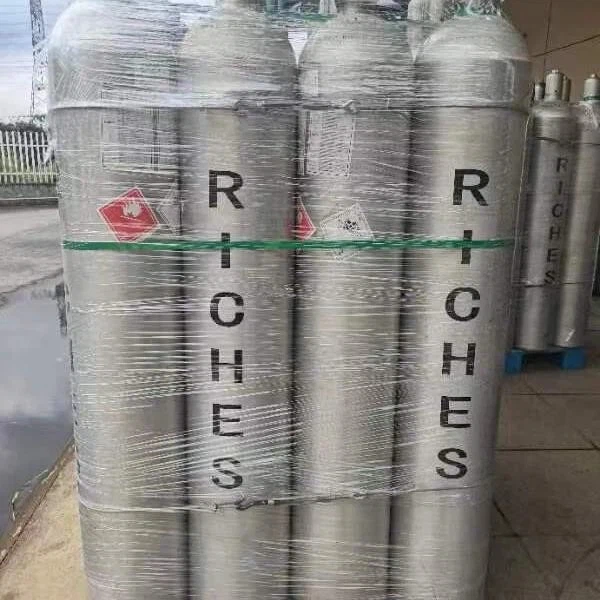
As a supplier of Eto gas sterilization solutions, we are committed to providing high - quality sterilization services while minimizing the negative impacts. We continuously invest in research and development to improve the sterilization process, ensure product safety, and protect the environment.
If you are in the textile industry and are looking for a reliable and efficient sterilization solution, we would be delighted to discuss your specific needs. Our team of experts can provide customized sterilization plans and technical support to help you achieve the best results. Contact us to start a procurement discussion and take your textile products to the next level of quality and safety.
References
- Block, S. S. (2001). Disinfection, Sterilization, and Preservation. Lippincott Williams & Wilkins.
- European Pharmacopoeia Commission. (2019). Ethylene oxide residues in medicinal products. European Pharmacopoeia.
- ISO 11135:2014. Sterilization of health care products - Ethylene oxide - Requirements for development, validation and routine control of a sterilization process for medical devices.