

What is the operation cost of an Automated EO Sterilizer per cycle?
Hey there! As a supplier of Automated EO Sterilizers, I often get asked about the operation cost per cycle. It's a crucial question for businesses looking to invest in this technology, so let's break it down and see what factors contribute to the overall cost.
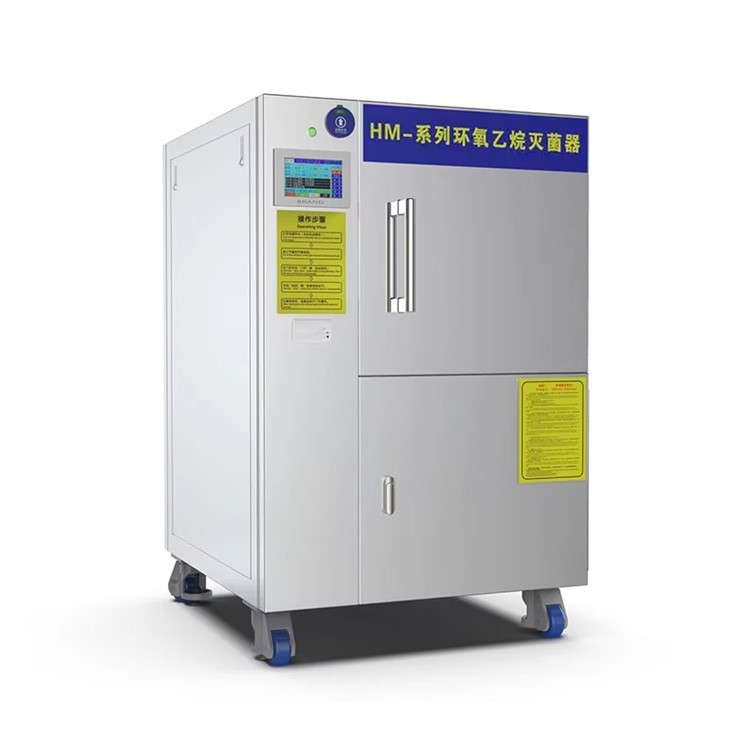
First off, let's understand what an Automated EO Sterilizer is. It's a piece of equipment used to sterilize medical devices, pharmaceutical products, and other items by using ethylene oxide gas. This gas is highly effective at killing bacteria, viruses, and other microorganisms, making it a popular choice in the healthcare and manufacturing industries.
Now, let's talk about the operation cost per cycle. There are several factors that come into play, and we'll go through each one of them.
1. Ethylene Oxide Gas Cost
Ethylene oxide gas is the main ingredient in the sterilization process. The cost of this gas can vary depending on the market price and the amount needed for each cycle. Generally, the price of ethylene oxide is influenced by factors such as production costs, supply and demand, and regulatory requirements.
The amount of gas required per cycle depends on the size of the sterilizer and the load being sterilized. Larger sterilizers and heavier loads will need more gas. For example, a Large - Scale EO Sterilizer will consume more gas compared to a smaller EO Sterilization Cabinet.
To estimate the gas cost, you need to know the concentration of gas used in the sterilization process and the volume of the sterilization chamber. Once you have these values, you can calculate the amount of gas needed and then multiply it by the current market price of ethylene oxide.

2. Energy Consumption
Running an Automated EO Sterilizer requires a significant amount of energy. The sterilizer needs to maintain a specific temperature and pressure during the sterilization cycle, which is achieved through heating and pumping systems.
The energy consumption depends on the size and efficiency of the sterilizer. Newer models are often more energy - efficient, which can help reduce the long - term operation costs. For instance, some advanced Industrial Grade Ethylene Oxide Sterilizer are designed with energy - saving features such as better insulation and more efficient heating elements.
To calculate the energy cost, you need to know the power rating of the sterilizer and the duration of each cycle. Multiply the power rating (in kilowatts) by the number of hours the sterilizer runs per cycle, and then multiply that by the cost of electricity per kilowatt - hour.
3. Labor Costs
Although Automated EO Sterilizers are designed to be automated, there is still some labor involved in the operation. Workers need to load and unload the items to be sterilized, monitor the sterilization process, and perform maintenance tasks.
The labor cost per cycle depends on the hourly wage of the workers and the amount of time they spend on these tasks. If the sterilization process is highly automated, the labor time per cycle may be relatively short. However, more complex loads or older sterilizer models may require more hands - on attention.
4. Maintenance and Calibration
Regular maintenance and calibration are essential to ensure the proper functioning of the Automated EO Sterilizer. This includes tasks such as cleaning the chamber, replacing filters, checking the seals, and calibrating the sensors.
The cost of maintenance and calibration can vary depending on the complexity of the sterilizer and the frequency of these tasks. Some manufacturers offer maintenance contracts, which can help spread out the cost over time. On average, you should budget for maintenance and calibration costs at least once or twice a year, depending on the usage of the sterilizer.
5. Disposal of Residual Gas
After the sterilization cycle is complete, there is usually some residual ethylene oxide gas left in the chamber. This gas needs to be safely disposed of to meet environmental and safety regulations.
The cost of gas disposal can include the equipment needed to capture and neutralize the gas, as well as the cost of any disposal services. Some sterilizers are equipped with built - in gas disposal systems, which can reduce the need for additional equipment.
Example of Calculating the Operation Cost per Cycle
Let's say we have a medium - sized Automated EO Sterilizer. Here's a rough breakdown of the costs:
- Ethylene Oxide Gas: Assume the sterilizer needs 5 kilograms of ethylene oxide per cycle, and the current market price is $5 per kilogram. So, the gas cost per cycle is $25.
- Energy Consumption: The sterilizer has a power rating of 10 kilowatts and runs for 3 hours per cycle. If the cost of electricity is $0.15 per kilowatt - hour, the energy cost per cycle is $10×3×0.15 = $4.5.
- Labor Costs: If a worker spends 1 hour per cycle at an hourly wage of $20, the labor cost per cycle is $20.
- Maintenance and Calibration: If the annual maintenance and calibration cost is $2000 and the sterilizer runs 200 cycles per year, the cost per cycle is $2000÷200 = $10.
- Gas Disposal: Let's assume the cost of gas disposal per cycle is $5.
The total operation cost per cycle in this example is $25 + $4.5+ $20 + $10 + $5 = $64.5.
It's important to note that these are just rough estimates, and the actual cost can vary significantly depending on the specific circumstances of your business.
Conclusion
The operation cost of an Automated EO Sterilizer per cycle is influenced by several factors, including the cost of ethylene oxide gas, energy consumption, labor costs, maintenance and calibration, and gas disposal. By understanding these factors, you can make a more informed decision when purchasing a sterilizer and manage your operating costs more effectively.
If you're considering investing in an Automated EO Sterilizer for your business, we'd love to have a chat. We can provide you with more detailed information about our products, including the specific operation costs based on your requirements. Don't hesitate to reach out and start a conversation about how our sterilizers can meet your needs.
References
- Industry reports on ethylene oxide gas prices
- Manufacturer's specifications for Automated EO Sterilizers
- Energy consumption data from sterilizer testing