

What is the working principle of an ethylene oxide sterilizer?
Hey there! As a supplier of Ethylene Oxide Sterilizers, I often get asked about how these machines work. So, I thought I'd break it down for you in this blog post.
What's Ethylene Oxide Anyway?
First things first, let's talk about ethylene oxide (EO). It's a colorless gas at room temperature with a bit of a sweet smell. But don't be fooled by that sweet aroma; it's a powerful sterilizing agent. EO is great at killing a wide range of microorganisms, including bacteria, viruses, fungi, and even spores. That's why it's so popular in the sterilization world.
The Basics of the Working Principle
The working principle of an ethylene oxide sterilizer is based on a multi - step process. It's not just about pumping in the gas and hoping for the best. There are specific conditions and stages that need to be carefully controlled to ensure effective sterilization.
Pre - Conditioning
Before the actual sterilization begins, the items to be sterilized are placed inside the sterilization chamber. This chamber is like a sealed room where all the action happens. The pre - conditioning stage is crucial. Here, the temperature and humidity inside the chamber are adjusted to create the right environment for the EO to work effectively.
Most microorganisms are more easily killed when they're in a certain temperature and humidity range. Usually, the temperature is set between 37°C and 63°C, and the relative humidity is around 40% - 80%. This step helps to make the microorganisms more vulnerable to the EO gas.
Gas Introduction
Once the pre - conditioning is done, it's time to introduce the ethylene oxide gas into the chamber. The amount of gas introduced depends on the size of the chamber and the type of items being sterilized. The gas is carefully measured and released into the chamber at a controlled rate.
The EO gas then starts to penetrate the items in the chamber. It can get into small crevices and pores, reaching all the microorganisms on the surface and inside the items. This is one of the advantages of EO sterilization; it can sterilize complex - shaped items that might be difficult to clean using other methods.
Exposure Time
After the gas is introduced, the items are left in the chamber for a specific exposure time. This time can range from a few hours to even longer, depending on factors like the type of microorganisms, the load in the chamber, and the concentration of the EO gas.
During this exposure time, the EO gas reacts with the microorganisms. It works by alkylating the proteins and nucleic acids in the microorganisms. In simple terms, it attaches certain chemical groups to these important biological molecules, which disrupts their normal function. As a result, the microorganisms can no longer survive or reproduce, effectively killing them.
Aeration
Once the exposure time is up, the next step is aeration. This is a very important step because ethylene oxide is toxic to humans. The aeration process removes the remaining EO gas from the chamber and the sterilized items.
There are different ways to aerate the chamber. One common method is to use an air - exchange system. Fresh air is pumped into the chamber, and the EO - laden air is pumped out. This process is repeated multiple times until the level of EO in the chamber and on the items is reduced to a safe level.
Applications of Ethylene Oxide Sterilizers
Ethylene oxide sterilizers have a wide range of applications. They're commonly used in the medical industry to sterilize surgical instruments, medical devices, and pharmaceutical products. Since these items need to be completely free of microorganisms to prevent infections, EO sterilization is a reliable option.
In the dental field, Ethylene Oxide Dental Sterilization is also quite popular. Dental instruments often have small parts and crevices where bacteria can hide, and EO sterilizers can effectively reach these areas.
They're also used in the food industry to sterilize certain food products and packaging materials. And in research laboratories, EO sterilizers are used to sterilize equipment and samples to prevent contamination.
Advantages of Using Ethylene Oxide Sterilizers
One of the biggest advantages of EO sterilizers is their effectiveness. As I mentioned earlier, they can kill a wide range of microorganisms, including tough - to - kill spores. They're also gentle on many materials. Unlike some other sterilization methods that use high heat or harsh chemicals, EO sterilization can be done at relatively low temperatures, which means it won't damage heat - sensitive materials like plastics and rubber.
Another advantage is their ability to penetrate. The EO gas can reach areas that are difficult to access, making them suitable for sterilizing complex - shaped items.
Disadvantages and Safety Considerations
However, it's not all sunshine and rainbows. Ethylene oxide is a toxic and flammable gas. This means that proper safety measures need to be in place when using EO sterilizers. The sterilization facility needs to have good ventilation systems to prevent the accumulation of EO gas in the air. Workers also need to wear appropriate protective equipment to avoid exposure.

There are also environmental concerns. EO is a greenhouse gas, and its release into the environment can contribute to climate change. That's why it's important to have proper waste management systems in place to minimize the release of EO into the atmosphere.
Types of Ethylene Oxide Sterilizers
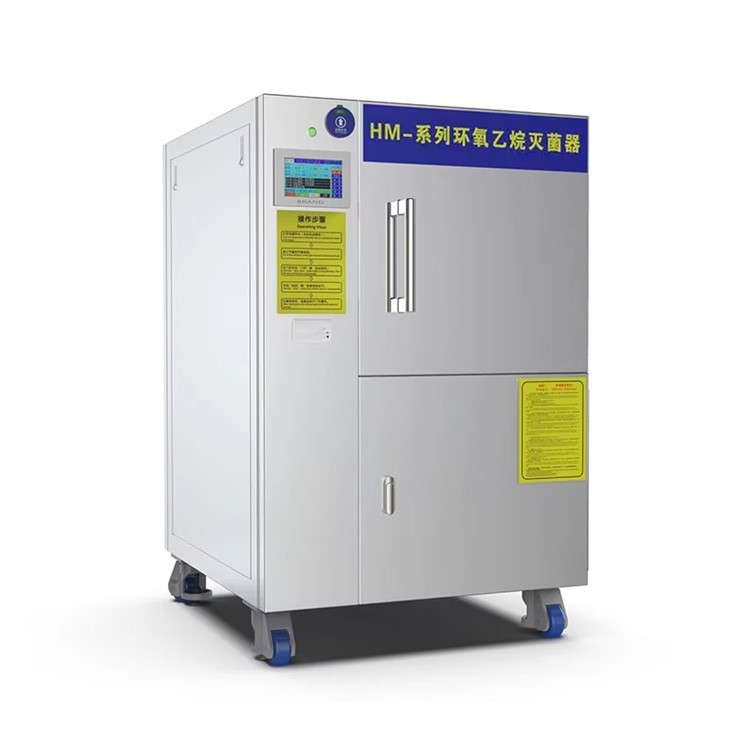
There are different types of EO sterilizers available in the market. Some are small - scale, suitable for dental clinics or small laboratories. These are often compact and easy to operate. On the other hand, large - scale EO sterilizers are used in hospitals and industrial settings. They can handle a large volume of items at once.
If you're interested in learning more about the different types of EO sterilization equipment, you can check out Eo Sterilization Equipment.
Our Role as a Supplier
As a supplier of Ethylene Oxide Sterilizers, we understand the importance of providing high - quality and safe equipment. We offer a range of EO sterilizers to meet the different needs of our customers. Whether you're a small dental practice or a large hospital, we have the right solution for you.
Our sterilizers are designed with the latest technology to ensure effective sterilization while minimizing the risks associated with EO gas. We also provide training and support to our customers to help them use the equipment safely and efficiently.
Why Choose Our EO Sterilizers?
Our EO sterilizers are built with quality in mind. We use high - grade materials to ensure the durability of the equipment. The control systems in our sterilizers are precise, allowing for accurate adjustment of temperature, humidity, gas concentration, and exposure time.
We also offer excellent after - sales service. Our team of experts is always ready to assist you with any problems or questions you might have. And if you need any spare parts or upgrades, we can provide them in a timely manner.
Contact Us for Purchase and Consultation
If you're in the market for an Ethylene Oxide Sterilizer, we'd love to hear from you. Whether you want to learn more about our products, get a quote, or have a detailed discussion about your sterilization needs, don't hesitate to reach out.
You can visit our website Eto Steriliser to explore our product range further. We're committed to providing you with the best sterilization solutions that meet your requirements and budget.
References
- Block, S. S. (2001). Disinfection, Sterilization, and Preservation. Lippincott Williams & Wilkins.
- Rutala, W. A., & Weber, D. J. (2016). Guideline for Disinfection and Sterilization in Healthcare Facilities. Healthcare Infection Control Practices Advisory Committee (HICPAC).