

What Materials Are Compatible with EO Sterilization?
In the medical device and healthcare industries, material compatibility is one of the most important factors when selecting a sterilization method. Many products contain delicate plastics, sensitive polymers, electronics, adhesives, and multilayer packaging structures that cannot tolerate high temperatures or radiation exposure. This is why ethylene oxide (EO/EtO) sterilization continues to play a critical role in global sterilization applications.
EO sterilization is widely recognized for its exceptional compatibility with heat-sensitive and moisture-sensitive materials. Unlike steam sterilization, which operates at very high temperatures, EO sterilization uses low-temperature gas to penetrate products deeply while minimizing physical damage. According to industry guidance from AAMI, EO sterilization remains one of the most versatile sterilization methods for polymers, metals, ceramics, and complex medical assemblies.
As global medical manufacturers continue developing increasingly complex products, understanding which materials are compatible with EO sterilization has become essential for both product safety and regulatory compliance.
Riches Engineering and EO Sterilization Solutions
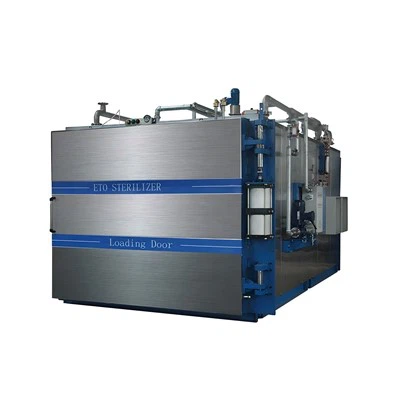
Hangzhou Riches Engineering Co., Ltd. is a professional manufacturer specializing in EO sterilization systems and turnkey sterilization engineering solutions for medical and industrial applications. According to the company, Riches provides EO sterilizers designed for heat-sensitive materials, disposable medical supplies, laboratory devices, wearable medical products, and complex medical assemblies.
Riches offers:
- EO sterilization chambers
- Aeration systems
- Preconditioning rooms
- EO gas scrubbers
- Automated control systems
- Validation support
- Customized engineering design
The company emphasizes international compliance standards such as ISO 11135, CE, and EN standards while helping customers optimize sterilization performance, material protection, and operational safety.
With nearly two decades of experience in EO sterilization engineering, Riches supports global manufacturers across medical, pharmaceutical, laboratory, and industrial sectors.
Why Material Compatibility Matters in Sterilization
Sterilization is not simply about killing microorganisms. The process must also preserve:
- Mechanical strength
- Product appearance
- Flexibility
- Electrical functionality
- Packaging integrity
- Chemical stability
- Adhesive performance
A sterilization method that damages product materials may lead to device failure, reduced shelf life, or regulatory rejection.
EO sterilization is often selected because it operates at relatively low temperatures - typically between 37°C and 63°C - making it suitable for materials that cannot survive steam or dry heat sterilization.
How EO Sterilization Works with Different Materials
EO gas sterilizes products through alkylation, which disrupts microbial DNA and cellular metabolism. Since EO is a gas, it can penetrate:
- Porous packaging
- Narrow lumens
- Multilayer products
- Complex geometries
- Dense product loads
Unlike high-energy radiation methods, EO sterilization generally causes less structural degradation in many polymers and composites.
This makes EO ideal for products made from mixed materials or assembled medical devices containing both rigid and flexible components.
Plastic Materials Compatible with EO Sterilization
Plastics are among the most commonly EO-sterilized materials in the medical industry.
Polyethylene (PE)
Polyethylene is highly compatible with EO sterilization.
Applications include:
- Medical packaging
- Tubing
- Disposable bags
- Catheters
- Protective covers
EO sterilization preserves the flexibility and mechanical stability of PE materials without causing major deformation.
Polypropylene (PP)
Polypropylene is widely used in:
- Syringes
- Surgical trays
- Diagnostic devices
- Sample containers
Compared with steam sterilization, EO causes significantly less thermal stress on polypropylene products.
PP also performs well during repeated EO exposure cycles.
Polyvinyl Chloride (PVC)
PVC is commonly used in:
- Blood bags
- IV tubing
- Oxygen masks
- Breathing circuits
EO sterilization is particularly suitable for flexible PVC products because the low-temperature process helps prevent warping and softening.
Many hospitals rely on EO sterilization specifically for PVC-based disposable medical products.
Polyurethane (PU)
Polyurethane materials are frequently found in:
- Wound dressings
- Catheters
- Wearable medical devices
- Flexible tubing
EO sterilization helps preserve the elasticity and softness of polyurethane components.
This compatibility is especially important for wearable and skin-contact medical products.
Polytetrafluoroethylene (PTFE)
PTFE offers excellent chemical resistance and is compatible with EO sterilization.
Applications include:
- Guidewires
- High-performance tubing
- Insulation layers
- Surgical device coatings
Because PTFE is highly heat resistant, it can tolerate multiple sterilization methods, but EO remains preferred for sensitive assemblies containing mixed materials.
ABS (Acrylonitrile Butadiene Styrene)
ABS plastics are commonly used in:
- Medical housings
- Device casings
- Diagnostic instruments
EO sterilization minimizes the discoloration and brittleness sometimes associated with radiation sterilization.
Rubber and Elastomer Compatibility
EO sterilization is highly suitable for many elastomeric materials.
Silicone Rubber
Silicone is widely used in:
- Implantable components
- Respiratory masks
- Seals and gaskets
- Medical tubing
EO sterilization preserves silicone flexibility while allowing deep gas penetration into complex structures.
Silicone products also tolerate aeration relatively well after sterilization.
Latex Rubber
Natural latex products can generally be sterilized with EO.
Applications include:
- Gloves
- Catheters
- Elastic components
However, manufacturers must carefully monitor EO residuals because porous elastomer materials may absorb gas during sterilization.
Metal Materials Compatible with EO Sterilization
Unlike some sterilization methods that promote corrosion, EO sterilization is generally compatible with most medical-grade metals.
Stainless Steel
Stainless steel instruments are highly compatible with EO.
Examples include:
- Surgical tools
- Orthopedic devices
- Dental instruments
- Endoscopic components
EO sterilization is especially useful when metal instruments are combined with heat-sensitive plastic components.
Aluminum
Aluminum housings and lightweight medical assemblies can also be sterilized with EO without significant corrosion concerns.
Titanium
Titanium implants and surgical components are commonly EO sterilized during manufacturing and packaging stages.
EO sterilization helps maintain surface integrity and mechanical properties.
Electronics and Sensitive Components
One major advantage of EO sterilization is its compatibility with electronic medical devices.
EO is commonly used for:
- Wearable medical devices
- Monitoring sensors
- Smart bandages
- Battery-powered products
- Diagnostic equipment
High-temperature sterilization methods may destroy sensitive circuits, adhesives, or batteries, while EO sterilization allows low-temperature processing with minimal thermal stress.
As medical devices become smarter and more connected, EO sterilization continues to expand in importance.
Packaging Materials Compatible with EO
Packaging compatibility is equally important because EO sterilization often occurs after final packaging.
Compatible packaging materials include:
- Tyvek®
- Medical paper
- Polyethylene films
- Breathable pouches
- Nonwoven materials
EO gas must penetrate the packaging effectively while maintaining sterile barrier integrity after sterilization.
Improper packaging selection may lead to sterilization failure or excessive residual retention.
Composite and Multi-Material Devices
Modern medical products often combine:
- Plastics
- Metals
- Adhesives
- Electronics
- Textiles
- Coatings
EO sterilization is especially valuable because it works across mixed-material assemblies.
Examples include:
- Infusion sets
- Surgical kits
- Wearable monitors
- Endoscopes
- Catheter systems
According to industry guidance, EO remains one of the most broadly compatible sterilization technologies available for complex medical products.
Materials That Require Special EO Evaluation
Although EO sterilization is highly versatile, some materials still require careful compatibility testing.
Certain Adhesives
Some adhesives may absorb EO gas or experience long-term bonding changes.
Manufacturers should validate:
- Bond strength
- Aging performance
- Residual retention
- Delamination risks
Highly Absorbent Materials
Porous materials may retain EO residuals longer.
Examples include:
- Foams
- Thick textiles
- Cellulose-based materials
Additional aeration time may be necessary.
Drug-Coated Devices
Drug-device combination products require special compatibility studies because EO exposure may affect active pharmaceutical ingredients.
Factors Affecting EO Material Compatibility
Material compatibility depends not only on the material itself but also on process conditions.
Important factors include:
- EO concentration
- Exposure duration
- Temperature
- Humidity
- Aeration time
- Product geometry
- Packaging density
This is why validation testing is essential before commercial sterilization begins.
Why Medical Manufacturers Prefer EO for Heat-Sensitive Products
Many medical products cannot tolerate:
- Steam temperatures above 121°C
- Radiation-induced polymer degradation
- Moisture exposure
- Oxidative sterilization damage
EO sterilization solves these problems by combining:
- Low-temperature processing
- Deep penetration
- Broad material compatibility
- Flexible load handling
Industry reports estimate that EO sterilization is still used for approximately half of all medical devices worldwide because of its unmatched material compatibility advantages.
FAQ
1. Is EO sterilization compatible with multi-layer medical packaging?
Yes. EO gas has excellent penetration capability, allowing it to pass through breathable medical packaging materials such as Tyvek®, medical paper, and nonwoven pouches. This makes EO sterilization highly suitable for pre-packaged sterile medical products.
2. Can EO sterilization damage medical adhesives?
Most medical adhesives are compatible with EO sterilization, but compatibility testing is still necessary. Some adhesive formulations may experience long-term bonding changes or absorb EO residuals, so manufacturers should validate adhesive performance after sterilization.
3. Why is EO sterilization preferred for catheter products?
Catheters often contain flexible polymers, narrow lumens, and complex internal structures that are difficult to sterilize with heat-based methods. EO gas can penetrate these challenging areas effectively while maintaining material flexibility and device functionality.
4. Are metal and plastic combination devices suitable for EO sterilization?
Yes. EO sterilization is especially effective for mixed-material products that combine metals, plastics, rubber, and electronics. The low-temperature process helps prevent thermal expansion issues and material deformation in assembled medical devices.
5. What should manufacturers evaluate before selecting EO sterilization for a new product?
Manufacturers should assess material compatibility, packaging permeability, EO residual limits, product geometry, aeration requirements, and regulatory compliance.
Looking for Reliable EO Sterilization Solutions?
Hangzhou Riches Engineering Co., Ltd. provides customized EO sterilizers, aeration systems, and turnkey sterilization engineering solutions for medical manufacturers worldwide.
Request Your Custom Solution Today


